Online Reporter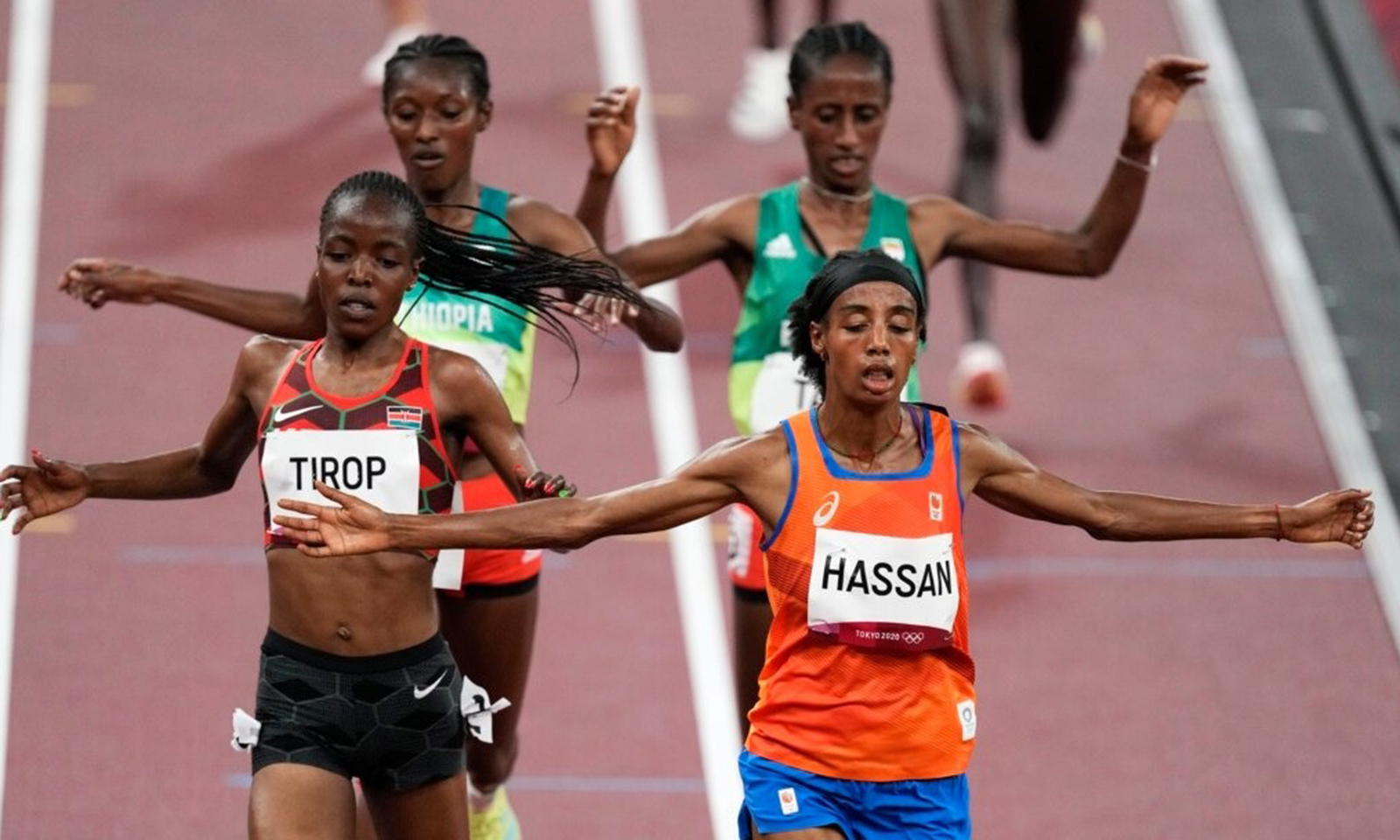
SEXUAL and gender-based violence against women athletes across Kenya, Uganda, and Tanzania is on the rise, a new study by the Aga Khan University revealed last week.
The report, Sexual and Gender-Based Violence Against Women in Sports in Kenya, Uganda, and Tanzania, drew data from a pool of 748 survey respondents and 18 in-depth interviews across 32 national sports federations and associations.
62% of respondents in Tanzania reported experiencing or knowing someone who has experienced some form of violence.
In Kenya, this number jumps to 69%, up from 43% in 2022, according to government data.
While Uganda reported that 48% of women aged between 18 and 44 experienced or knew someone affected by sexual and gender-based violence in a sports context, it showed a unique trend where more than a third of participants cited spectators as major offenders, highlighting the need for public education on proper conduct in sports settings.
The findings detail that 82% of female athletes are more vulnerable to SGBV than their male counterparts.
Verbal abuse tops the list of violations, followed by emotional, physical, and sexual abuse – often committed by coaches, team officials, and even spectators.
The report furthered that professional and competitive athletes report higher levels of vulnerability.
Exploitation, where athletes are pressured into providing sexual favours for opportunities, was especially prevalent in Kenya and Uganda.
Despite the high prevalence, only 17% of respondents reported personal experience with SGBV – while 25% refused to answer, highlighting a climate of fear and stigma. The fear of retaliation and its impact on athletic careers is the leading reason incidents go unreported.
“It takes away your voice. You start to doubt yourself; you question everything, your worth, your talent, even your memories,” a study participant told researchers. “And when you speak up and nothing happens, or worse, you’re punished for it, that silence becomes a wound that never heals. You lose the sport you loved, but also the self you were before it all happened.”
The report mentioned that many abused athletes quit sports entirely after retirement, unable to cope with the trauma or unwilling to stay in a system that failed to protect them.
“This has led to a lack of experienced female mentors and leaders in sports, further solidifying male dominance and impunity,” the report stated.
“The findings speak to a very strong basis upon which the issue of sexual and gender-based violence in sports can be addressed. It is not so much about the findings as it is about what these findings suggest should be done, including supporting sport federations and associations to provide safety and security for women in sports,” Hebson Owilla, principal investigator and research associate at the university’s Graduate School of Media and Communications, said in the official press release.
The report calls for urgent action from sports federations, governments, and civil society.
Respondents cited education and awareness, plus stricter penalties, as the most effective ways to reduce abuse. It further suggests mandatory training for coaches and enforcement of safeguarding policies as critical to move forward.
East Africa has been under scrutiny over the last year after long-distance runner Rebecca Cheptegei was set on fire by her ex-partner and died days later from her injuries. Cheptegei was the fourth female athlete to be murdered in the region, which includes fellow runner Agnes Tirop. – insidethegames.com/Sports Reporter