

 admin
admin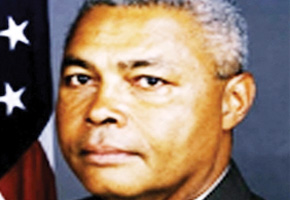
Speaking at a farewell Press briefing in Bulawayo, Mr Ray, who is only left with 19 days in the country, said he has enjoyed his three-year stay in Zimbabwe.
In a rare change of attitude, Mr Ray showered praises on Zimbabweans, saying the country had a lot of potential for economic growth despite the challenges it was going through.
He condemned selective and negative international media reports about Zimbabwe, saying such reports were responsible for repelling international investors.
Said Mr Ray: “Reflecting on my nearly three years in Zimbabwe, I remain cautiously optimistic. The long-term future of this country is bright, due in large part to the overwhelmingly energetic, dedicated and intelligent young people, who make up the majority of Zimbabwean population.”
He said Zimbabweans had the sovereign right to determine their destiny and the choice to choose the leaders they want in a voting process without any outside interference.
Mr Ray admitted that his country erred in adopting a radical stance against Zimbabwe, adding concerted efforts were needed to try and build bridges between the two nations for the benefit of both.
“When I arrived in Zimbabwe I sought to change the nature of conversation between the US and Zimbabwe. For 10 years, we were just yelling and hurling insults at each other and we never really had a substantive conversation about anything. We were complaining about some behaviour and they were calling us regime change neo-imperialists,” said Mr Ray.
The US Ambassador urged Zimbabweans to bury their differences and have a unity of purpose in order to achieve meaningful development.
He said he had learnt a lot from the inclusive Government.
“Despite political differences, the unity Government emphasises the need for leaders to make decisions that will benefit their people and the importance of creating a sense of oneness for the sake of building the country.
Normal 0
“We should bridge the artificial divisions that have been created between and among people, the born frees and the born befores, the Matabeleland residents and the Harareans.
“These divisions keep people apart and have built a form of intolerance that makes it difficult for people to reach to people they do not know and to trust them,” said Mr Ray.
He also said the US model of democracy was not applicable to all countries, adding there was no need for his country to seek to enforce its political principles on other countries.
On the fight against homosexuality, Mr Ray said there was nothing wrong with same sex marriages, saying those who practise it were entitled to exercise that “right”.
Turning to national healing, he said Zimbabweans alone should choose a way of reconciling the past mistakes.
Asked about the attitude of US companies towards investing in Zimbabwe, Mr Ray said most companies do not have adequate information about the economic potential in the country.
He called for robust marketing strategies that would lure international investors and rekindle investor confidence.
“For the last two years I have been talking to US companies urging them to come to Zimbabwe and assess the opportunities for themselves,” said Mr Ray.
“Most companies avoid Zimbabwe because of selective negative media reports, which give wrong impressions about the situation here. We are not saying there are no risks here but urge our companies to come and see the reality on the ground for themselves than relying on the media.”
He said most of the companies that have come to Zimbabwe have been surprised to discover that the business environment was not as hostile as they thought.
Mr Ray urged the Government to engage international businesses and market the country in order to build synergies and networks that would strengthen local companies.
Over the years, the US has been hostile to Zimbabwe after the country embarked on the historic land reform programme.
The US teamed up with Britain and imposed sanctions on Zimbabwe, which have resulted in the crippling of the country’s economy and the suffering of ordinary Zimbabweans.


 Online Reporter