admin
admincriticism of Beijing’s exchange rate policy, which Washington says makes the value of the yuan currency artificially low.
“Fairness . . . means ending discrimination against US companies, ending unfair trade preferences for domestic firms, ending what we see as unfair, distorting currency practices,” Locke told US and Chinese business and government officials.
Speaking at an annual event organised by the National Committee on United States-China Relations — a non-profit group — he also called for improved protection of intellectual property rights and a more open investment climate.
The value of the yuan has been a constant thorn in the side of bilateral relations, with the United States blaming China’s currency controls for creating huge international trade imbalances.
Beijing has repeatedly vowed to loosen its grip on the yuan but has rejected calls for a faster appreciation, for fear of hurting its vast manufacturing sector, a key driver of the world’s second-largest economy.
Foreign firms have also repeatedly complained of discrimination when competing with domestic companies in China, particularly in the lucrative government procurement sector.
But Beijing has eased some rules that blocked foreign firms from the procurement market, which is said to be worth US$1 trillion a year.
Locke, the former US commerce secretary, said China was welcome to join a US-proposed free-trade zone spanning the Pacific, the Trans-Pacific Partnership (TPP).
He added that China and other participants in such multi-lateral agreements must create a “level playing field”.
US officials have previously not publicly sought TPP membership for China, whose trading policies are often criticised as protectionist. Beijing has said it is considering whether to join.
Locke also had strong words for China on human rights, urging Beijing to go beyond just improving living standards.
“That’s not how we in the United States view human rights,” he said, responding to questions after the speech.
“Our view of human rights is more than just raising the standard of living for the people of China,” he said, giving examples of the right to a fair trial, freedom of religion and allowing dissenting opinions.
Rights group Hong Kong-based Chinese Human Rights Defenders said earlier this month that a crackdown on dissent following protests across the Arab world made 2011 the worst year for human rights in China in a decade. — AFP.


Online Reporter
- Herald
- September 27, 2026
- 8 views
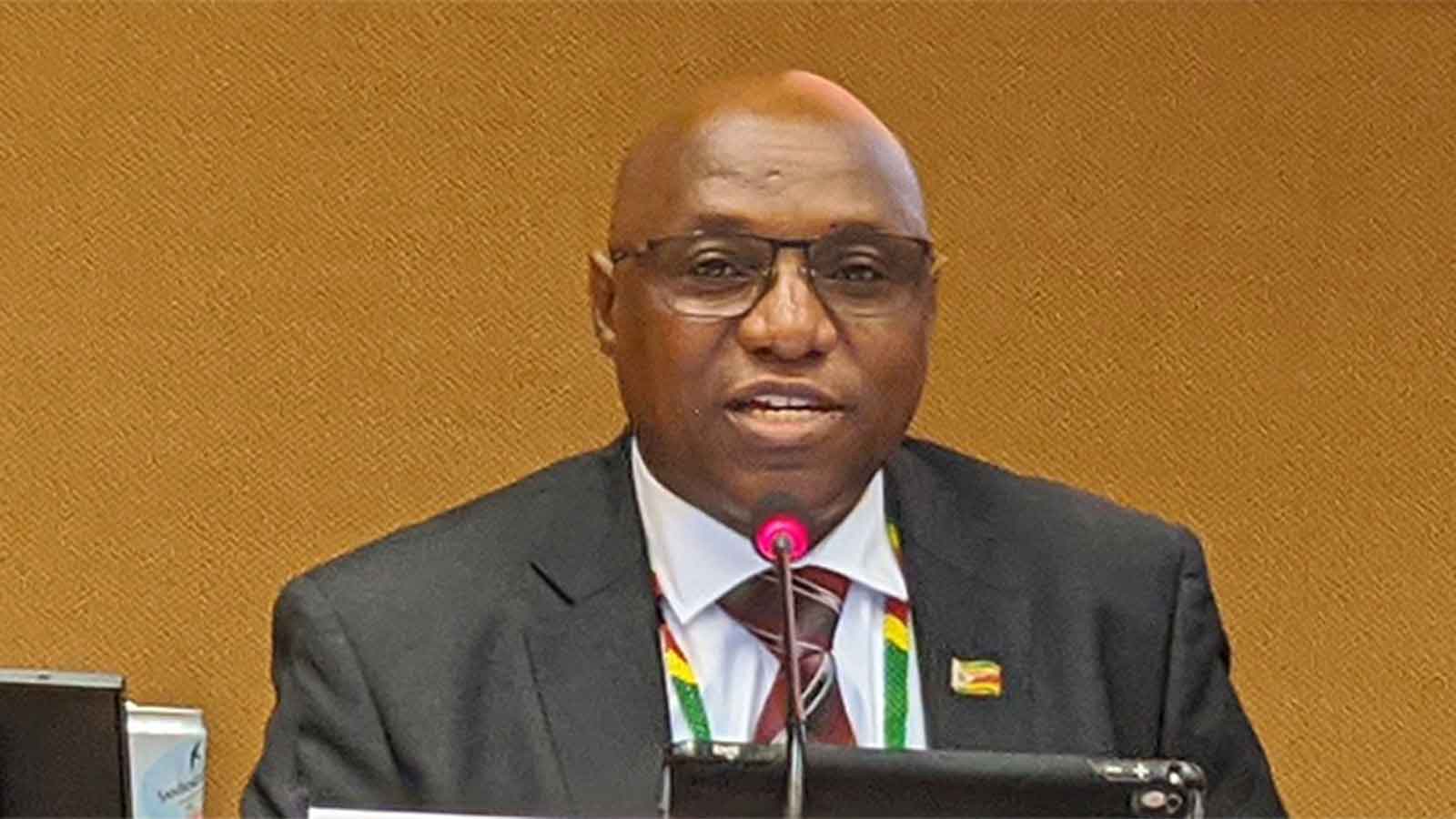
‘UN visit was focused and productive’
Wallace Ruzvidzo in New YORK, USA ZIMBABWE’S engagements at the 81st Session of the United Nations General Assembly were highly productive as they managed to broaden the country’s diplomatic and…