Vusumuzi Dube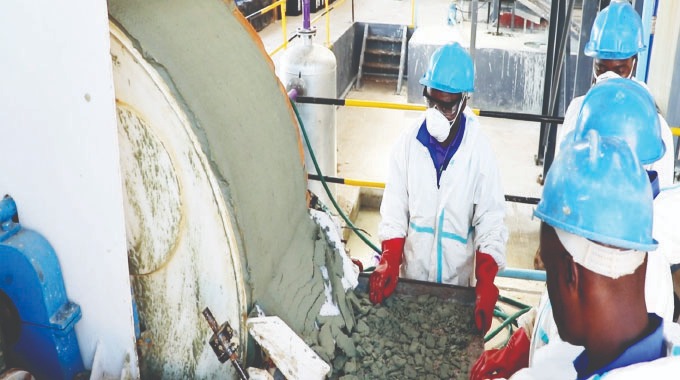
Patrick Chitumba, Midlands Bureau Chief
MIDLANDS State University (MSU) has started test runs at its US$11 million modified coal tar plant in Zvishavane, with full-scale production expected before the end of the year.
The project, which is anticipated to create more than 2 500 direct and indirect jobs is set to reduce Zimbabwe’s expenditure on imported bitumen by about 40 percent, significantly easing pressure on foreign currency resources.
Zimbabwe currently relies heavily on imported bitumen for road surfacing, a situation that has exposed infrastructure development to foreign currency shortages and price volatility on the international market. With the Government prioritising road infrastructure under the Second Republic, demand for bitumen has increased sharply, making import substitution a strategic national priority.
The modified coal tar plant, which incorporates silicon oxide nano-particles, is strategically located in Zvishavane, where most of the raw materials required for production are readily available.
Preliminary studies have shown that the locally developed product could reduce road surfacing costs by up to 40 percent, offering a cheaper and more durable alternative to imported bitumen.
In an interview, MSU acting director for marketing and communications, Mr Kudakwashe Bhowa, said the project had reached a critical phase.
“Test runs have been conducted, and a series of further tests will be carried out before the plant is officially commissioned,” he said.
Mr Bhowa described the modified coal tar initiative as a ground-breaking innovation that produces a high-quality, environmentally friendly road surfacing material using locally available resources.
He said the project is a direct product of Education 5.0, an education model championed by the Second Republic that goes beyond teaching and research to emphasise innovation, industrialisation and commercialisation.
Education 5.0 promotes heritage-based learning, problem-solving and technology-driven solutions aimed at creating jobs, stimulating economic growth and shifting the country from exporting raw materials to producing finished goods.
“Through the application of nanotechnology, MSU has enhanced traditional coal tar using silicon nanoparticles derived from waste asbestos fibres,” said Mr Bhowa.
He said the innovation results in a more durable and cost-effective product that could significantly reduce the country’s reliance on imported bitumen, which currently dominates the road construction sector.
“The project is a direct outcome of MSU’s research under the Education 5.0 framework, and the university has already secured a patent for the product through the African Regional Intellectual Property Organization (ARIPO),” he said.
Mr Bhowa said the initiative is closely aligned with Vision 2030, which seeks to transform Zimbabwe into an upper-middle-income economy.
“This project supports Vision 2030 through import substitution, foreign currency savings and the replacement of imported bitumen with locally manufactured modified coal tar,” he said.
Mr Bhowa added that the project will help address the country’s growing demand for affordable and durable road surfacing materials, which are essential for rehabilitating and expanding the country’s road network.
“Improved infrastructure is a cornerstone of Vision 2030, as it enables economic growth, regional connectivity and an improved quality of life,” he said.
Beyond infrastructure development, the project is expected to stimulate industrial revival, particularly for companies such as ZimChem Refiners and Shabanie Mashava Mines, while strengthening local value chains.
“It is expected to revitalise local industries such as ZimChem Refiners and Shabanie Mashava Mines. The project promotes industrialisation and economic resilience, key pillars of Vision 2030,” said Mr Bhowa.
Mr Bhowa said the use of waste asbestos fibres in nanoparticle production not only repurposes hazardous material but also ensures the final product is environmentally safe, reflecting Vision 2030’s commitment to sustainable development and responsible resource management.
“The Modified Coal Tar Project embodies the spirit of Education 5.0 by bridging academic research with practical industry solutions. The Modified Coal Tar Project represents a bold step towards realising Vision 2030 by leveraging home-grown innovation to address pressing economic and infrastructure challenges,” said Mr Bhowa.
“MSU is proud to lead this initiative, which has the potential to transform the road construction industry and contribute meaningfully to national development. We are optimistic that the project will be completed and commissioned by the end of 2026.”


 Online Reporter