admin
adminyear.
This, according to the Chairperson of the Southern African Forum Against Corruption (SAFAC), Dr Edward Hosea, is the amount of cash stolen from Africa and stashed abroad by politically exposed persons (PEPs).
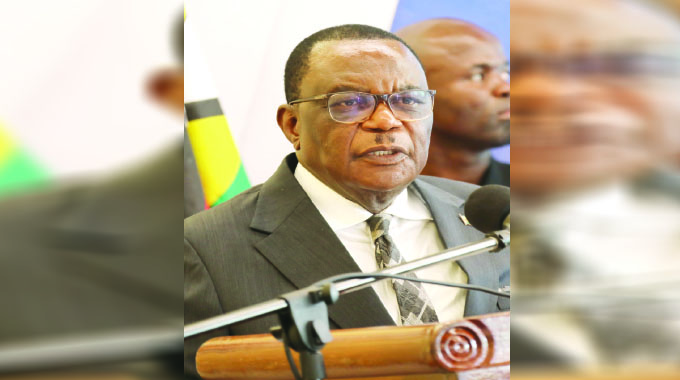
“Corruption is ruthless to our people and the poor particularly are the most vulnerable to corruption,” Hosea said at the ninth annual general meeting of SAFAC, which is taking place in Windhoek.
SAFAC was created in 2001 to help implement in Sadc member states the Sadc Protocol against Corruption, especially to advise governments on how best to reduce the viral effects of corruption in societies. Hosea said Sadc citizens expect a lot from the anti-corruption authorities to deliver against the scourge. “The willingness of our political masters to heighten and fast track the implementation of the Sadc Protocol is extremely fundamental to manage our citizens’ expectations,” he added.
The greatest challenge, Hosea said, is the implementation of the Sadc Protocol against Corruption.
“Sadc was the pioneer to fight corruption even before the AU or UN Convention but we are still here, not even implemented or ratified the Protocol,” the SAFAC chairperson told the meeting, attended by anti-corruption commissions from the Sadc region.
The fundamental question Sadc should ask itself, Hosea noted, is to what extent has it ratified and put in place not only the legal framework but the strategic interventions that address challenges that corruption imposes on the economy, politics and social realities.
The meeting will look at the ratification of the protocol, the African Union Convention on Preventing and Combating Corruption and the United Nations Convention Against Corruption.
“It is the commitment of the entire leadership to restore integrity and promote transparency and accountability where democratic principles and rule of law are respected and given prominence in the day-to-day functioning of the government,” Hosea said.
Namibia’s Director of the Anti Corruption Commission (ACC), Paulus Noa, said the scourge of corruption could only be conquered when a participatory, all-inclusive platform at national, regional, continental and international level is created.
He said the commissions dealing with the investigation, detecting and prosecuting of corrupt practices are testimony to the fact that lonely efforts by individual institutions without assistance and cooperation of foreign counterparts do not yield fruitful investigations and prosecution outcomes.
According to Noa, with the initiation of regional, continental and international instruments on the prevention of corruption, the issue is no more about mere investigations and prosecution but more of mutual legal assistance for purposes of confiscation and recovery of stolen assets, wherever they are found. “The need for anti-corruption agencies in Sadc region to work together cannot be overemphasised. Sadc needs to accelerate the implementation of developmental programmes and that is only guaranteed when oversight institutions are well coordinated, strengthened and adequately funded,” Noa said. Present at the meeting are Chinese experts, who will give presentations on the strategies put in place by the Chinese government in the combating and prevention of corruption as well as China’s role in international cooperation on the fight against corruption.
Representatives of the African Development Bank and the AU’s Advisory Board on Preventing and Combating Corruption are present as well.
President Hifikepunye Pohamba will deliver the keynote address today.The AGM will last until the end of the week. – New Era.


 Online Reporter