Online Reporter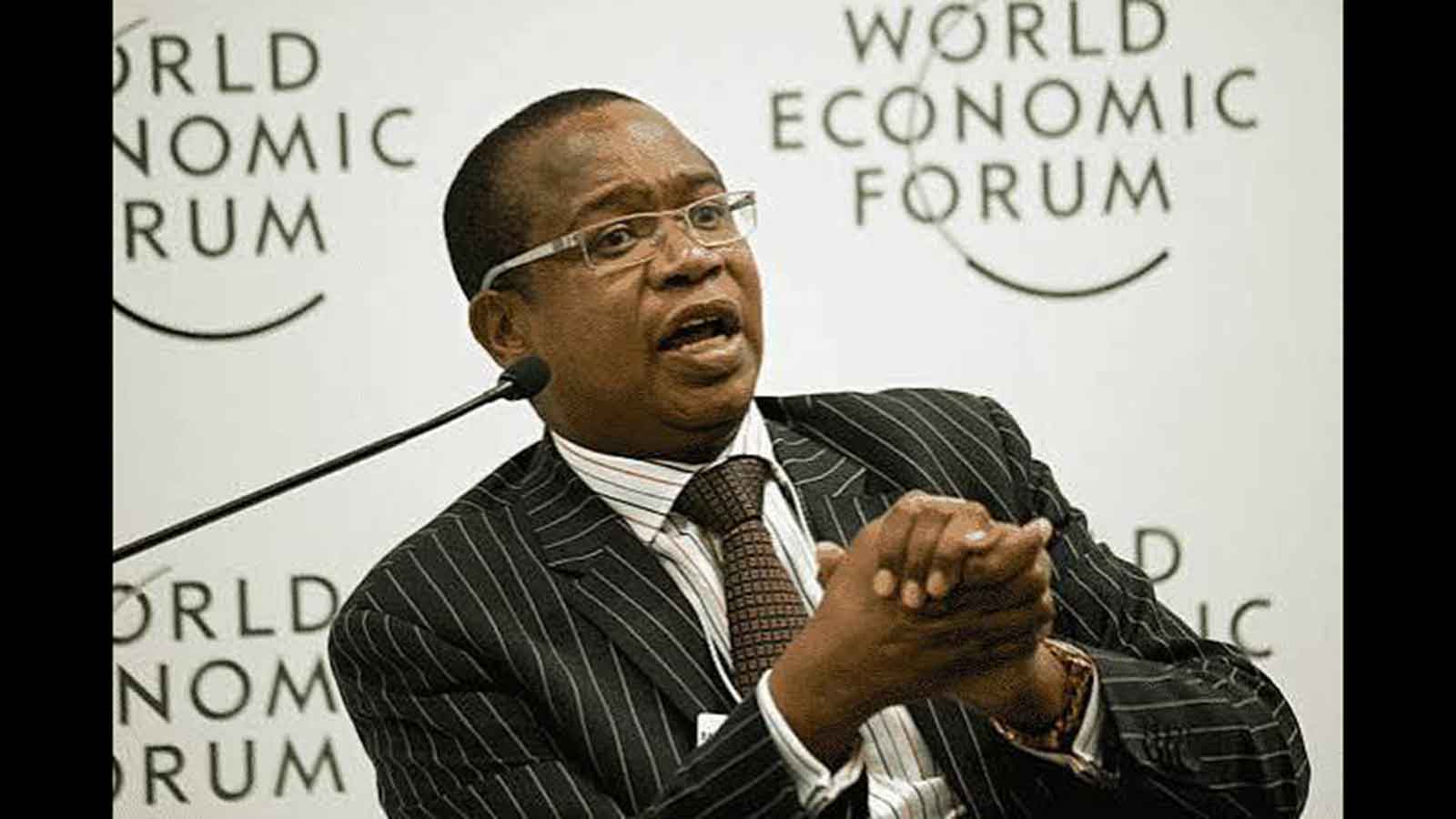
Nqobile Bhebhe in Masvingo
Zimbabwe has an estimated US$500 million hotel infrastructure investment pipeline, signalling strong appetite from domestic and international investors keen to tap into the country’s expanding tourism industry.
The projects, which are at various stages of development, are expected to be completed by 2030, as the Government moves to plug the tourism accommodation and conferencing infrastructure gaps ahead of a growing calendar of international events.
For instance, Zimbabwe faces a deficit of about 9 000 hotel beds in Harare as it prepares to host the Intra-African Trade Fair 2029. Harare won the bid during IATF 2025 in Algiers, beating competition from South Africa, Zambia, Malawi, Burkina Faso and Cameroon.
Existing hotels need between US$8 million and US$30 million each for repairs.
Tourism is Zimbabwe’s third-largest economic sector, contributing about 5,7 percent to the Gross Domestic Product. It generates about US$1,2 billion in annual receipts and supports roughly 3,5 percent of national jobs, spanning hospitality, retail and transport.
Finance, Economic Development and Investment Promotion Minister Professor Mthuli Ncube said the increasing participation of institutional capital was particularly significant as it demonstrated that tourism was increasingly being viewed as a viable long-term asset class rather than simply a leisure industry.
Speaking at the 19th edition of the Sanganai/Hlanganani/Dzimbahwe World Tourism Investment Expo Forum here yesterday, Prof Ncube said the growing investment pipeline reflected strengthening confidence in the sector.
“Perhaps the strongest signal today is the insatiable appetite and growing participation and funding from pension funds, institutional investors, local companies and international hospitality groups. Pension and institutional capital from organisations including ZESA Pension Fund, the Government Pension Fund, Old Mutual and the NRZ Pension Fund is increasingly finding its way into tourism and hospitality assets,” he said.
“Today, we have approximately US$500 million worth of Hotel Infrastructure projects at various stages of development, which are all set to be completed by 2030.”
The accommodation expansion is particularly critical in Harare, which is expected to carry a significant share of Zimbabwe’s international business and tourism events.
Prof Ncube said the capital had thousands of hotel rooms either under construction, at tender or financial-closure stage, while additional greenfield developments were in the pipeline.
“Harare has approximately 2 593 hotel rooms under construction, 2 402 rooms at tender or financial-closure stage, and a further 2 000 rooms in greenfield projects,” he said. “If these projects materialise, the city’s accommodation inventory could rise from approximately 11 854 to 18 849 rooms, bringing us closer to the 20 000 rooms required to support major international events such as IATF 2029.”
The figures underline the scale of the investment opportunity created by Zimbabwe’s ambition to host major international gatherings, which require not only hotel rooms but also modern exhibition and conferencing infrastructure, transport, restaurants, retail, entertainment and other destination services.
“This demand extends beyond accommodation to exhibition and conferencing facilities, transport, entertainment, restaurants, retail, technology and destination experiences. The gap is therefore not a problem; it is an investment opportunity,” Prof Ncube said.
Zimbabwe’s positioning as an events and investment destination is expected to generate additional demand for accommodation as the country hosts major regional and international business platforms.
The investment case is also being strengthened by the recovery in tourism demand.
“During the first half of 2026, tourist arrivals, both domestic and international, reached at least 792 000, representing a positive development for the tourism industry and the wider economy,” Prof Ncube said.
“More importantly, tourism receipts increased by 6 percent, from US$508 million during the first half of 2025 to US$537 million in the first half of 2026.”
Minister Ncube said the sector had attracted more than US$1 billion in investments during the National Development Strategy 1 period, with tourism investment increasing from approximately US$190,5 million in 2024 to US$194,5 million in 2025.
“In the first half of 2026 alone, Zimbabwe recorded approximately US$132 million in tourism investments,” he said.
“In the first quarter of 2026, tourism investment increased by an extraordinary 438 percent.”
Prof Ncube said the figures represented growing investor confidence.
“These are not merely statistics. They are signals of confidence. They tell us that investors are increasingly looking at Zimbabwe and seeing not only a destination, but an investment opportunity,” he said.
The growing hotel infrastructure pipeline is backed by domestic institutional investors and international hospitality groups like pension funds, institutional investors, local companies and hotel operators.
For instance, the Public Service Commission Pension Fund has acquired Monomotapa Hotel and Ruparara Valley Lodge, while the Unified Councils Pension Fund and Mining Industry Pension Fund are collaborating on a four-star hotel property in Victoria Falls.
“These are important developments because they demonstrate a fundamental fact that Zimbabwean institutional capital is beginning to recognise tourism as a viable, long-term asset class,” Prof Ncube said.
The minister also noted that international hospitality brands are increasing their footprint in the domestic tourism industry.
“Moreover, global hospitality brands are taking notice of Zimbabwe, with companies such as Accor, Grand Hyatt, Four Seasons, Radisson Blu and Hilton expanding their presence and investment footprint in the country,” said Minister Ncube.
He said their investments were bringing in more than international brands as they brought global standards, distribution networks, technology, skills, market access and increased investor confidence.
Prof Ncube said the investment opportunity extended beyond conventional hotels, with the 1 200-hectare Masuwe Special Economic Zone in Victoria Falls offering opportunities for hotels, villas, holiday homes, commercial facilities, medical services and a golf estate.
In Masvingo, he said Tugwi-Mukosi should similarly be developed as an integrated investment destination incorporating hospitality, recreation, leisure, water-based tourism, residential development and events.
“The question should no longer simply be, ‘How do we attract tourists to Tugwi-Mukosi?’ but rather, ‘How do we build an investment destination around Tugwi-Mukosi?’” he said.
Minister Ncube said unlocking the next generation of tourism growth would require large pools of patient, long-term capital.
“We need pension funds, banks, development finance institutions, private equity, international investors, strategic partners and innovative financing models. REITs and other collective investment structures can help mobilise institutional capital at scale,” Prof Ncube said.
He cited Eagle Asset Management’s efforts to mobilise funding for the proposed 111-key Novotel Hotel, valued at approximately US$33 million, as an example of the innovative financing required.
Prof Ncube, however, warned that the investment pipeline needed to translate into bankable projects.
“A tourism project is not automatically an investment; it requires a credible promoter, sound business model, appropriate financing, strong governance, secure approvals and a clear path to returns,” he said.
Minister Ncube said Government would continue improving infrastructure and connectivity, promote digital transformation and tourism development while strengthening partnerships with domestic and international investors.
The expansion of accommodation capacity, he said, was ultimately part of a wider strategy to position tourism as a major contributor to economic transformation.
“Tourism is no longer simply about hotels, game drives and sightseeing. Tourism today is technology, infrastructure, real estate, aviation, finance, entertainment, culture and creativity.”
“It is therefore one of the most powerful platforms through which Zimbabwe can drive inclusive economic growth. Tourism creates linkages across agriculture, transport, construction, ICT, finance, culture and the creative industries.”
With every additional hotel room creating demand for food, transport, laundry, construction materials, technology, entertainment and professional services, the US$500 million pipeline could generate economic activity well beyond the hospitality sector.
“Our message is clear: Zimbabwe is open for business, and Zimbabwe is open for tourism investment. We have the assets, the demand, the projects, the investment pipeline and increasingly the capital and partners required to unlock them,” Prof Ncube said.
He said the ultimate test of the investment drive would be the number of projects financed, hotels and lodges constructed, businesses established, jobs created, tourists welcomed and communities transformed.
“Let us move from potential to projects, from projects to investment, from investment to businesses, and from businesses to jobs and sustainable economic growth,” he said.