Online Reporter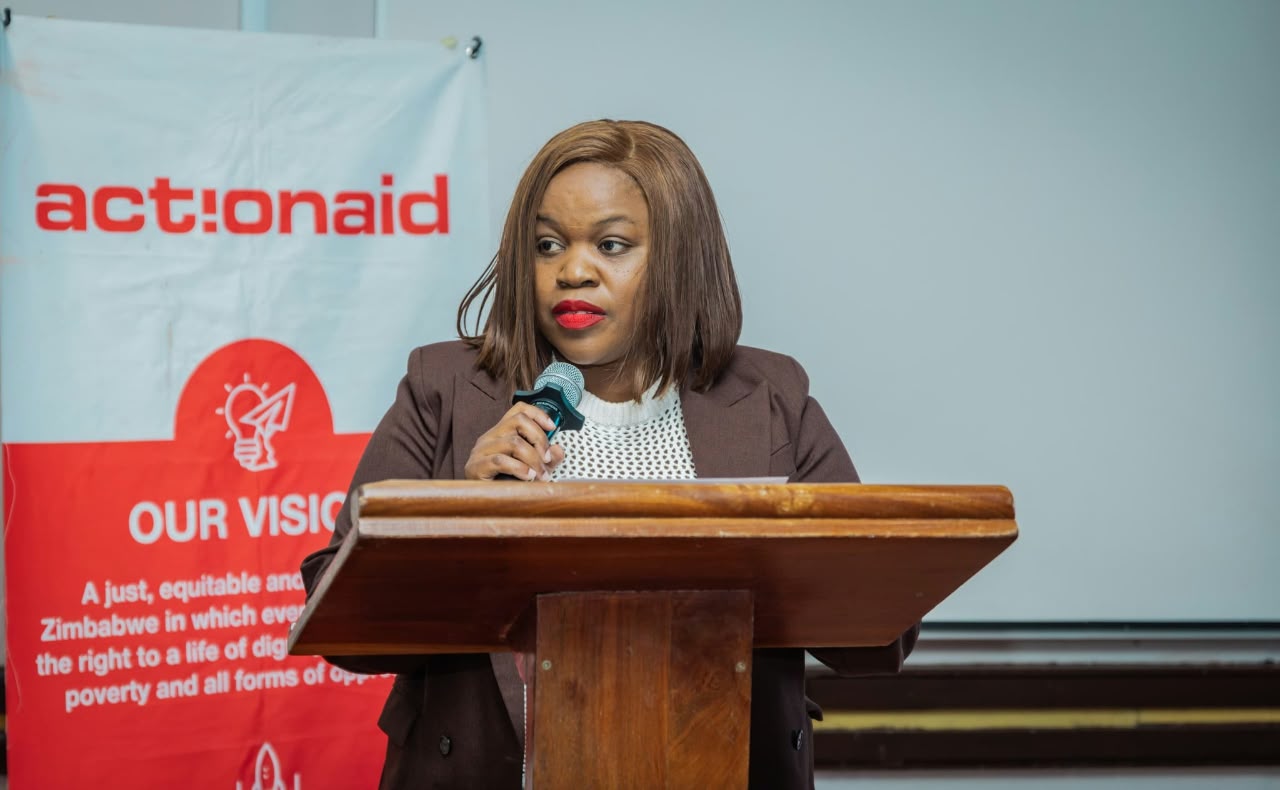
Theseus Mauruki Shambare
THE Global South — broadly referring to developing countries in Africa, Asia, Latin America, the Caribbean and other regions — is expected to pay US$8,8 trillion in debt repayments this year, compared to just US$39 billion in grant-based climate finance received from the Global North in 2024, exposing a widening financing gap for countries on the frontline of climate change, ActionAid has said.
The figures are contained in ActionAid’s latest report, Debt Fuels the Climate Crisis: How the Finance Flows, released on Wednesday during the Global Week of Climate Action running from September 14 to 20.
The report analyses public revenues, debt repayments, national budgets and climate plans across 65 countries identified as the most climate-vulnerable.
It found that climate-vulnerable countries are spending nearly 25 times more on debt repayments than on climate action, while debt-servicing consumes 65 percent of their combined government revenue.
ActionAid Zimbabwe Country Director Dr Selina Pasirayi said the figures highlighted the pressure facing countries such as Zimbabwe, where resources needed to strengthen resilience against droughts, floods and other climate shocks were competing with debt obligations.
“Debt is narrowing the fiscal space Zimbabwe needs to protect its people,” Dr Pasirayi said.
She said money that could be channelled towards irrigation, early warning systems, drought-tolerant seed, resilient water infrastructure and renewable energy was being constrained by debt pressures.
The report says 93,5 percent of the most climate-vulnerable countries are either in debt distress or at significant risk of debt distress.
It also argues that debt and climate change reinforce each other, with climate disasters forcing countries to borrow for recovery while debt repayments subsequently limit investment in resilience.
Dr Pasirayi said Zimbabwe and other climate-vulnerable countries therefore needed greater access to grants rather than loans for climate action.
“Grants could fund climate-smart agriculture, resilient water systems, disaster preparedness and renewable energy without increasing debt,” she said.
ActionAid says approximately two-thirds of what developed countries classify as climate finance arrives as loans rather than grants, adding to the debt burden of recipient countries.
The organisation is calling for the cancellation of unpayable or unjust debt, a mechanism to suspend debt payments when countries are hit by major climate disasters, and reforms to debt sustainability assessments.
It is also calling for climate finance to be provided as grants and for public debt and climate audits in countries facing debt crises.
For Zimbabwe, the debate comes as the Government moves to tighten its approach to borrowing by directing loans towards productive infrastructure capable of generating revenues to service the debt.
Finance, Economic Development and Investment Promotion Minister Professor Mthuli Ncube and Secretary Mr George Guvamatanga have said the new approach will focus on infrastructure such as dams, irrigation schemes, roads, railways, border posts and power projects.
Mr Guvamatanga said the Government would no longer borrow for budget or balance-of-payments support, but for projects with identifiable cash flows.
“We have made our mistakes. But now when we borrow, we ensure there is a supporting cash flow,” he said.
For Dr Pasirayi, however, productive borrowing needs to be complemented by international financing reforms that give climate-vulnerable countries greater fiscal space to respond to climate shocks.
She said ActionAid supported Zimbabwe’s efforts to advance Africa’s voice on debt restructuring and debt justice in regional and international forums.
As the Global Week of Climate Action enters its final days, ActionAid says closing the financing gap will require addressing both the cost of debt and the availability of climate finance, particularly for countries already facing the consequences of a changing climate.