Sidumisile Mabena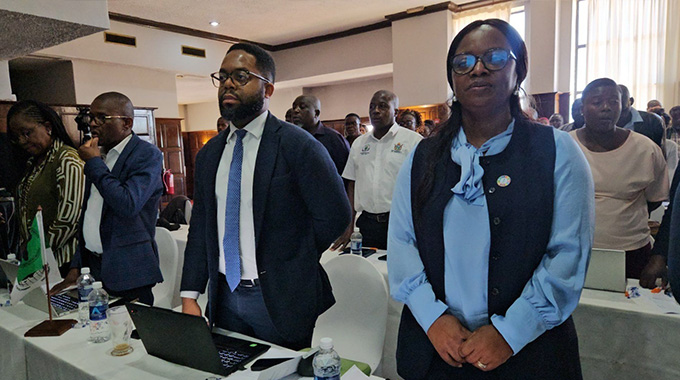
Judith Phiri, Zimpapers Business Hub
ZIMBABWE is taking bold steps towards safeguarding its agriculture against climate shocks with the launch of the US$9.4 million Resilient Agriculture Cluster Project (RACP), a pioneering initiative supported by the African Development Bank (AfDB) and International Fund for Agricultural Development (IFAD).
The project, which focuses on irrigation rehabilitation, climate-smart farming and rural value-chain expansion, aims to transform the nation’s food systems while protecting vulnerable farming communities from floods, droughts, and other climate risks.
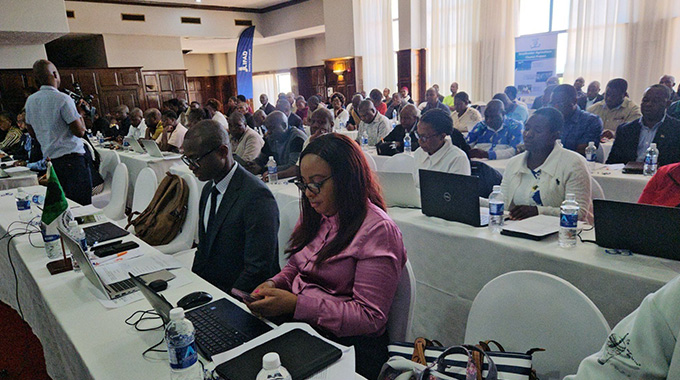
Speaking at the RACP stakeholder validation and technical design workshop in Bulawayo on Monday, Chief Director for Business Markets and Trade in the Ministry of Lands, Agriculture, Fisheries, Water and Rural Development, Mr Clement Taderera Bwenje, said the project will bolster Zimbabwe’s climate adaptation agenda while supporting rural development.
“Irrigation rehabilitation is the surest way to climate-proof our agriculture. RACP will fund value-chain financing, strengthen marketing linkages and expand Village Business Units (VBUS) to 100 additional wards, ensuring resilient production and rural growth,” he said.

He said the country was building a climate-resilient, productive and prosperous agriculture and rural economy.
Mr Bwenje said RACP was scaling up the success of the Smallholder Agriculture Cluster Project (SACP) and filling critical gaps as well as extending proven SACP activities.
SACP is a six-year project running from November 2021 to December 2027. The project is funded by the Government of Zimbabwe in partnership with IFAD, OPEC Fund for International Development (OFID), smallholder farmers and the private sector.
It aims to boost household incomes and nutrition by transforming smallholder farming, promoting equitable participation in market-oriented, climate-smart value chains.
He added: “More importantly, RACP will introduce and fund specialised climate adaptation activities that were beyond the scope of SACP. So you see that it (RACP) is going to fund climate-proofing infrastructure, rehabilitating irrigation schemes and ensuring that there are water-efficient technologies.”
AfDB Principal Institutional Capacity Development Officer, Mr Marcel Maglo, praised Zimbabwe for securing the grant and highlighted the urgency of climate action in Africa.
“Climate change is a multiplier of fragility, disproportionately affecting low-income populations, children, the elderly and farming communities. Our partnership with Zimbabwe is crucial to strengthening adaptive capacity and protecting livelihoods. RACP complements the ongoing IFAD-funded SACP,” he said.
IFAD climate and environment specialist, Ms Zira Mavunganidze, said RACP will expand crop and livestock insurance, promote climate-smart agricultural practices and strengthen weather observation networks to provide farmers with accurate climate information.
“The project will improve water access and harvesting, and support land management to protect critical water systems, ensuring farmers can adapt effectively to changing climate conditions,” she said.
The two-day workshop in Bulawayo follows consultations in Harare and will include field visits to SACP sites in Kwekwe and Mutoko.
The appraisal of the project will culminate in a Board presentation in March 2026, with stakeholders invited to actively shape its design.
Officials have said RACP represents a strategic step in aligning Zimbabwe’s agricultural sector with climate adaptation priorities, while accelerating rural development and economic resilience.



 Online Reporter