Sidumisile Mabena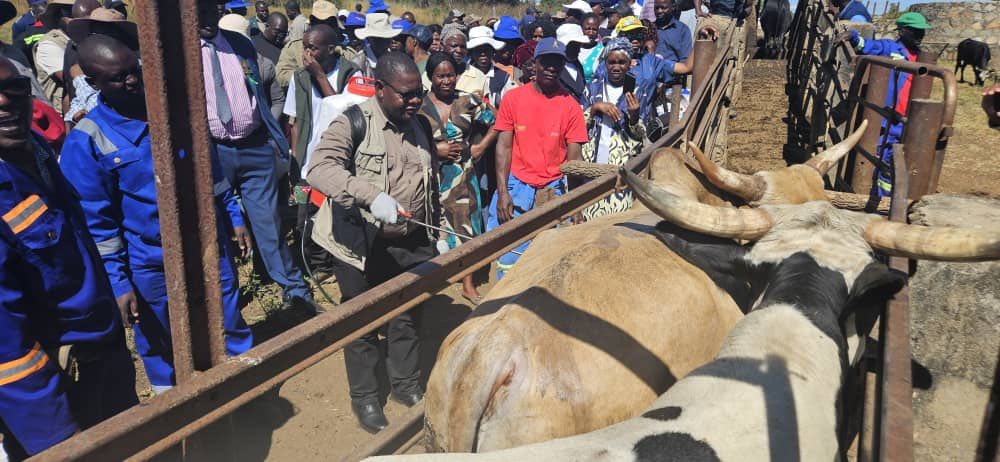
Judith Phiri, Zimpapers Business Hub
ZIMBABWE has stepped up surveillance and control measures following a reported outbreak of foot-and-mouth disease (FMD) in Mangwe District, Matabeleland South province, linked to a stray buffalo.
In an update, the Ministry of Lands, Agriculture, Fisheries, Water and Rural Development said the Government is working to contain the spread, while neighbouring countries South Africa, Botswana and Zambia also report FMD outbreaks.
FMD is a highly contagious viral disease that affects cloven-hoofed animals such as cattle, goats, sheep and pigs.
While the disease is often mild in small livestock, it can be devastating in cattle, causing severe production losses and, in some cases, death. In Southern Africa, wild buffalo act as the main reservoir of the virus, enabling transmission to domestic animals.
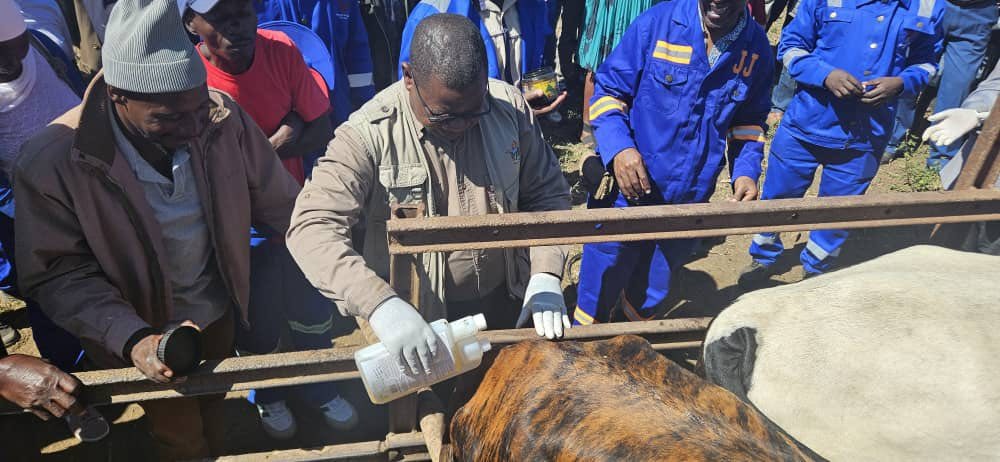
Meanwhile, the Ministry said the country has also made progress in combating January disease (Theileriosis), with a locally developed vaccine and strict dipping regime reducing cattle deaths.
“Authorities urge farmers to adhere to dipping schedules and report suspected disease cases.”
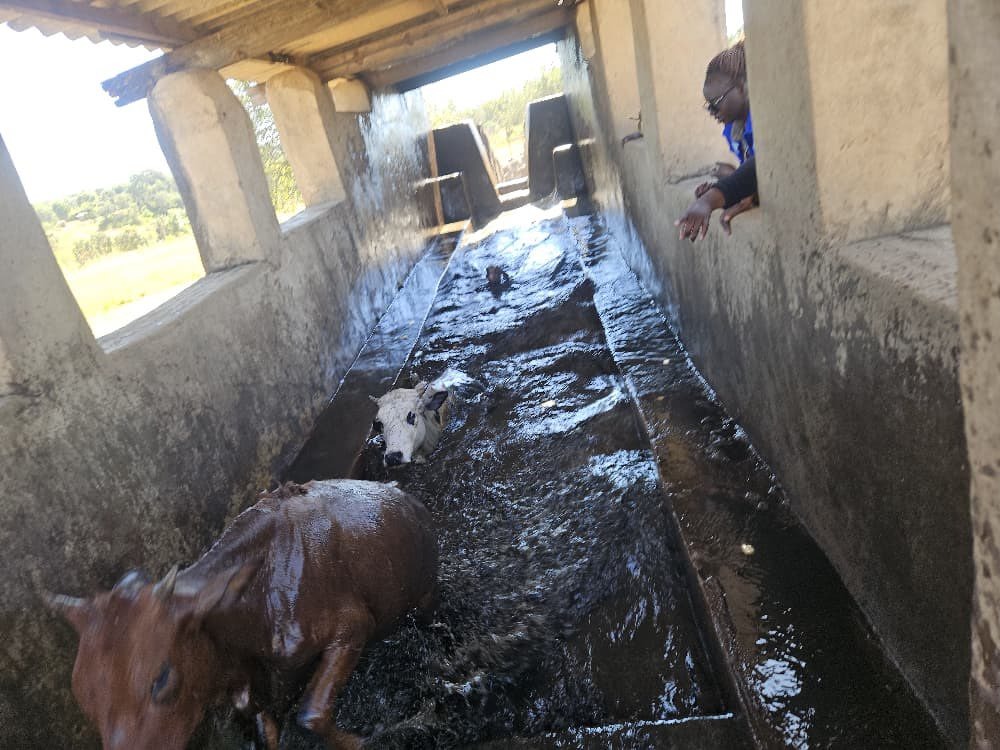
The Ministry said weekly dipping was mandatory, in line with Government policy to control the brown ear tick, while farmers should pay dipping levies and ensure correct acaricide dilution as per the manufacturer’s instructions.
Under the 5-5-4 dipping regime, livestock should be dipped every five days for two cycles, followed by a four-day interval before resuming the five-day schedule.
January Disease is a deadly tick-borne disease that spreads rapidly in warm, wet conditions and can wipe out entire herds if not controlled.
More than 65 percent of cattle deaths in Zimbabwe are caused by tick-borne diseases such as January Disease since 2016, according to reports.



 Online Reporter