Godknows Hofisi
Business Law
I have previously written many articles on Artificial Intelligence.
In this article, I look at how AI can be used in data analytics based on AI-assisted research.
How AI can be used for data analytics
There are views that AI is changing data analytics from a specialist, retrospective exercise into a faster, more accessible and forward-looking business capability.
By combining machine learning, natural-language processing and automation, AI can help organisations clean data, detect patterns, forecast outcomes, identify risks and communicate insights in plain language.
According to AI-based research, the value of AI in analytics does not lie simply in producing more reports. Its real benefit is that it can process large and varied datasets, reveal relationships that humans may miss, and convert raw information into decisions that improve revenue, reduce costs and manage risk.
From raw data to insight
Businesses generate data from sales systems, customer-relationship platforms, financial records, websites, mobile applications, sensors, social media and customer-service interactions.
Traditionally, analysts spend considerable time extracting, cleaning and formatting this data before analysis can begin.
AI can automate much of this preparation.
Machine-learning tools can identify duplicate records, detect missing values, standardise dates and formats, resolve inconsistencies and flag suspicious entries.
This improves data quality and allows analysts to spend more time interpreting results rather than repairing spreadsheets and databases.
AI can also analyse unstructured data, such as emails, customer reviews, call-centre transcripts, images and social-media posts.
Natural-language processing can classify feedback, identify recurring complaints and measure customer sentiment.
This enables a business to understand not only what customers bought, but also why they were satisfied or dissatisfied.
One of the most important applications of AI is predictive analytics. Instead of merely describing what happened in the past, AI models use historical and current data to estimate what is likely to happen next.
A retailer, for example, can use AI to forecast demand by analysing past sales, seasonal trends, promotions, weather and local events. This can support better inventory planning, reduce stockouts and prevent excess stock from tying up working capital.
In financial services, AI can assess credit risk by examining payment history, transaction patterns and other relevant variables.
It can also flag transactions that differ from a customer’s normal behaviour, helping institutions detect possible fraud earlier.
Understanding customers better
It is believed AI is particularly useful in customer analytics. Businesses can segment customers using behaviour, spending patterns, engagement levels and product preferences rather than relying only on broad demographic categories.
For example, an online retailer may identify a group of customers who browse frequently but rarely complete purchases.
AI can help the business understand the likely reasons, such as pricing concerns, delivery costs, or poor website experience, and then test targeted interventions.
AI can also support churn prediction. By identifying customers whose behaviour resembles that of previous customers who cancelled a service, a company can offer retention incentives, improve service delivery or address product concerns before losing revenue.
Marketers believe that marketing teams can use AI to evaluate campaign performance across channels, identify which messages generate conversions and allocate budgets more effectively.
Attribution analysis can help managers understand which customer interactions contribute most to a sale, improving return on marketing investment.
Improving operational efficiency
AI analytics is not limited to sales and marketing. It can improve decision-making across finance, supply chains, human resources and public services.
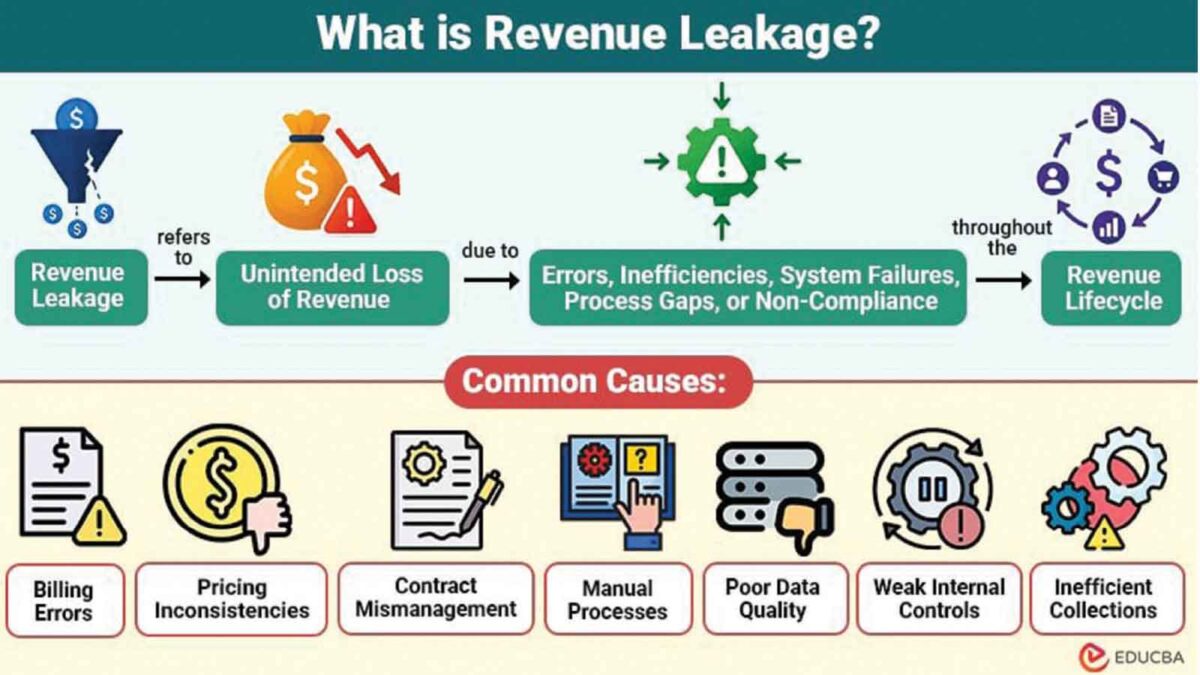
In finance, AI can identify revenue leakage, detect unusual expenses, support cash-flow forecasting and strengthen internal controls.
In supply-chain management, it can analyse supplier performance, logistics data, inventory levels and demand signals to identify bottlenecks and improve procurement planning.
Human-resources departments can use analytics to examine absenteeism, staff turnover, recruitment outcomes and workforce capacity.
This can help management identify departments under pressure, plan training and improve employee retention.
Healthcare organisations can use AI to analyse admission patterns, staffing requirements, patient-flow data and supply usage. Such analysis can support better resource planning and help administrators identify operational risks before they become serious service-delivery problems.
Making analytics accessible
Historically, data analytics required technical skills in SQL, statistics and dashboard development. AI is lowering that barrier through natural-language querying and conversational business intelligence. This does not eliminate the need for data professionals.
Rather, it allows executives, departmental managers and operational staff to obtain answers more quickly, while analysts focus on complex modelling, validation and strategic interpretation.
AI-generated dashboards can also highlight anomalies automatically.
Instead of waiting for a monthly report, management can receive alerts when sales fall below expected levels, costs rise unexpectedly, system performance deteriorates, or fraud indicators emerge.
Managing the risks
Despite its benefits, AI analytics must be used responsibly. Poor-quality data produces poor-quality insights. If a model is trained on incomplete, biased or outdated information, its recommendations may be misleading and potentially harmful.
Organisations should establish clear data-governance frameworks. Businesses should also retain human oversight. AI can identify a pattern, but management must assess whether the recommendation makes commercial, ethical and legal sense.
Conclusion
AI can be useful for data analytics if used wisely and with the necessary safeguards.
Disclaimer
This simplified article is for general information purposes only and does not constitute the writer’s professional advice.
Godknows (GK) Hofisi, LLB(UNISA), B.Acc(UZ), Hons B.Compt (UNISA), CA(Z), ACCA (Business Valuations), MBA (EBS, Heriot- Watt, UK) is the Managing Partner of Hofisi & Partners Commercial Attorneys, chartered accountant, insolvency practitioner, commercial arbitrator, registered tax accountant and advises on deals and transactions. /He has extensive experience in industry and commerce and is a former World Bank staffer in the Resource Management Unit. He sits on the Board of the Council of Estate Administrators in Zimbabwe./He writes in his personal capacity. He can be contacted on +263 772 246 900 or ghofisi@ hofisilaw.com or gohofisi@ gmail.com. Visit www//:hofisilaw.com for more articles.