admin
admin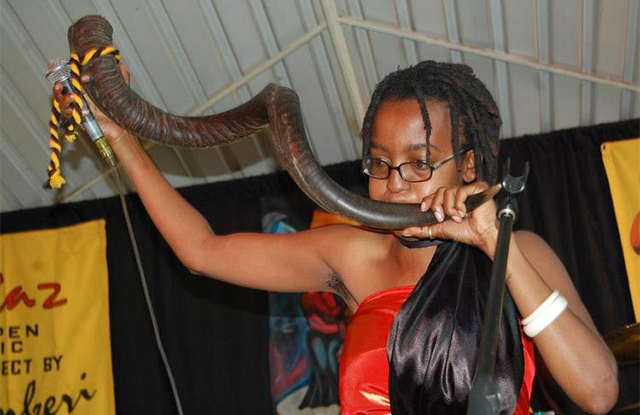
Tawanda Marwizi Arts Correspondent
Technological advancement has brought many inventions that conquer constraints of time and space.
Technology has compressed the world into a global village that brings uniformity in a number of spheres, regardless of various natural differences among people. However, the fast growth of the global village has also become a threat to many important cultural values and practices in many societies.
Art, as a career and expression of culture, has also been dynamic and artistes run the risk of being uprooted from their backgrounds because of technology.
While there have been efforts to safeguard cultural heritage through many arts programmes, the majority of artistes have succumbed to the negative effects of technology and art products with cultural importance have been diluted or face extinction.
In Zimbabwe, many artistic cultural products have suffered this fate and critics have on many occasions bemoaned the erosion of culture and encouraged artistes not to lose their roots.
It seems artistes in the country are importing more influences that they are exporting to other parts of the world because of unbalanced flow of information on the global village grid.
Dancehall music originated in Jamaica in 1970s and the genre has spread across the world with Zimbabwe being one of the countries that successfully adopted it.
The constant coming of Jamaican stars has led to the growth of Zim dancehall.
Some years ago chanters such as Major E, Booker T and Potato followed the Jamaican style and the society accepted it.
And various tours of Jamaican artistes to the country have brought a more powerful wave of dancehall evolution in the country. The genre is marred by hate speech, divisions and fights that have polluted youth culture among dancehall followers.
The Zimbabwean culture is known for tolerance and peace as said by the Vice President Phelekezela Mphoko at the launch of the culture week at Godlwayo in Matabeland recently.
Consequently, that tolerance has also exposed the arts to pollution as continued adoption of different forms has put cultural arts practices under threat.
Hip-hop is also one genre that has been taken from the West and gained popularity in Zimbabwe.
While the coming of these genres has been applauded, arts critics have urged the artistes to work on the preservation of culture through their products.
Recently William Ndinde, National Arts Council of Zimbabwe Harare provincial manager, said there was need for the artistes to preserve Zimbabwean culture.
“Technology is eating into our culture, but the ball now is in the hands of the artistes who have to work on the preservation of our heritage,” said Ndinde.
For him it was good that artistes should utilise the technological inventions to defend our culture and market it to other parts of the world.
“This culture is not only in music but also in visual arts. You see artistes making paintings of some Western issues without focusing on educating our young people about Zimbabwean culture,” he said.
Culture can be defined as the sum of attitudes, customs, and beliefs that distinguish one group of people from another. Culture is transmitted, through language, material objects, ritual, institutions, and art, from one generation to the next. Traditional dance in Zimbabwe is one form of art that has managed to keep society informed about different cultural activities.
Dance competitions like Chibuku Neshamwari, Mbende-Jerusarema Dance Festival and Jikinya have been put in place to educate the society about traditional dances.
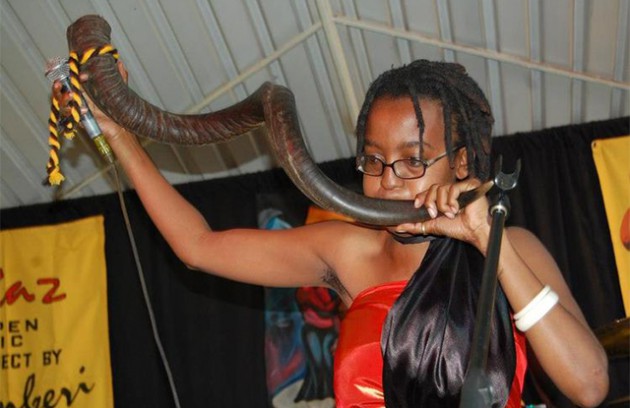
Some traditional groups such as Hwamanda and Zvido Zvevanhu Arts Ensemble have successfully toured many countries to exhibit our culture.
They managed to utilise technology to market their dances to other countries, a move that has see our culture spreading.
Not only traditional dance groups have managed to stand against technological invasions but mbira musicians have done the best in preserving our cultural values.
Groups such as Mbira DzeNharira, Mawungira eNharira and individuals like the late Chiwoniso Maraire, Hope Masike and Mbuya Stella Chiweshe have done their best to market local culture abroad through music.
They have put Zimbabwean culture on the map and demand of their music on the international scene is high.
Tendai Gahamadze, who is Mbira Dzenharira founder, said they have managed to make it big on local and international scene through traditional instruments.
“It is good that through the traditional instrument we have managed to go to other countries and people love it,” he said.
Mbira Centre in Zimbabwe has been instrumental in educating people across ages and their annual Mbira Month has managed to uphold cultural values.
Some musicians have since moved with technology as they fuse the instrument with several other modern instruments.
Names that quickly come to mind are Thomas Mapfumo, Jah Prayzah and Hope Masike among others.
Local sculptors, however, said they were using technology as a tool to put Zimbabwean culture on the map.
Sculptor Tracy Chatsama from Chitungwiza Arts Centre said they work on pieces that depict the Zimbabwean culture.
“Here is a piece of a woman carrying firewood and her daughter, with a pumpkin. We have such pieces that tell people about our identity. We then use technology to spread these works which I think is another way of reaching out to the people,” she said.
Taurai Tigere, chairman of the arts centre, said they had done their best to defend the Zimbabwean culture through several works.
He singled out pieces like “Fighting Warriors”, “Tomb of the Unknown Soldier 2” and “Traditional King” among others as historically important artworks that tell the Zimbabwean story.
“I think these artistes are trying to educate the nation through their works and with those I have singled out being outstanding. I think as artists we should just utilise technology to teach people about our culture,” he said.
Dancehall musician Tocky Vibes said though their genre originated from Jamaica they were trying to come up with compositions that defends our culture.
At one point Tocky went on stage with a traditional outfit much to the surprise of his fans.
“That was a clear indication that as artistes we are keen to defend our culture. I would have gone there wearing trendy modern clothes,” he said.
Sungura king Alick Macheso said as artistes they try to move with the times but at the same time giving people cultural content.
“What is important is the way we package our content. We have to educate people especially the youth the importance of our cultural values,” he said.
He said that is why he managed to come up with songs “Baba” and “Mude Mude” from his latest album that encourages people to respect marriage the African way.
Painter Mavis Tauzeni said artists were doing justice to the culture as they are utilising modern technology to push our culture on the map.
“Zimbabwean cultural works are in demand in several parts of the country. That simply means technology is taking us somewhere,” she said.
IT expert Kudakwashe Munozogara said though our culture wasat risk because of technology, it was important that artistes utilise the technological space to push our cultural values.



 Online Reporter