Online Reporter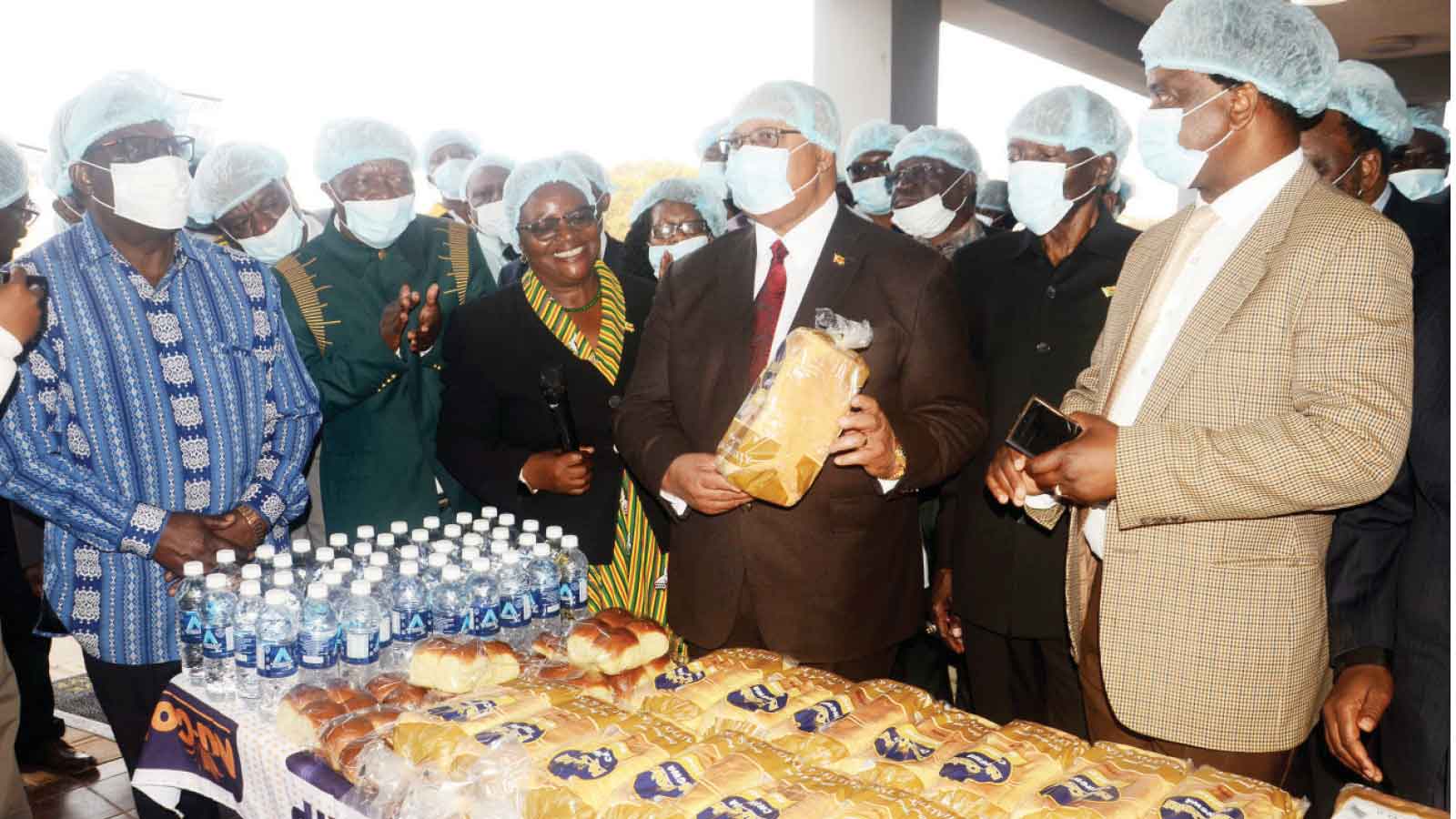
Trust Freddy
Herald Correspondent
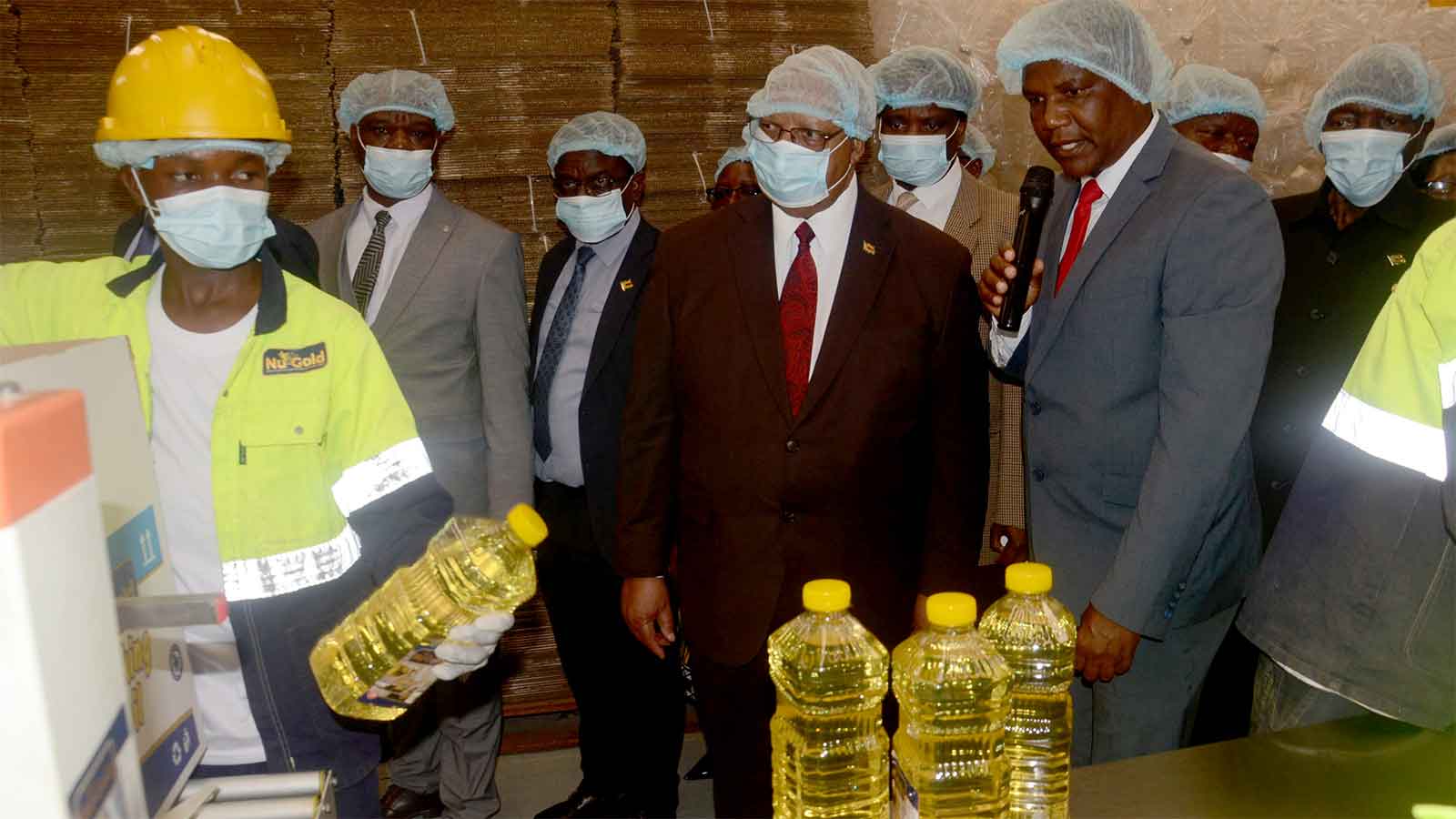
THE Heritage-Based Education 5.0 policy continues to deliver tangible results, with the University of Zimbabwe now producing over 4 000 litres of cooking oil daily, 110 000 chickens per production cycle and over 25 000 loaves of bread daily under its industrialisation drive.
The achievements were revealed yesterday when ZANU PF secretary-general Advocate Jacob Mudenda led a high-level Politburo delegation on a tour of the university’s innovation and production facilities to assess their contribution to industrialisation, import substitution and job creation.
The visit comes at a time when most players in the cooking oil industry are importing crude oil for refining, while UZ has established a complete value chain from soyabean production to the finished cooking oil product.
UZ Vice Chancellor Professor Paul Mapfumo told the delegation that the university’s Agro-Industrial Park had evolved into a fully-fledged production hub anchored on inclusive value chains.
“At the Agro-Industrial Park, we have industrial production plants that manufacture bread, cooking oil, and stock feed,” Prof Mapfumo said.
On cooking oil production, he said the university processes about 30 tonnes of soyabeans per day, yielding between 4 000 and 5 000 litres of cooking oil daily.
“The uniqueness of this operation is that most producers import crude oil for refining. We, however, produce the crude oil ourselves and then refine it into cooking oil.
“That establishes a second value chain — the soyabean value chain.”
Prof Mapfumo added that more than 1 500 farmers were now supplying soyabeans to the plant, creating direct market linkages from the farm gate to retail shelves.
On bread production, Prof Mapfumo said the university had introduced an innovation that blends orange-fleshed sweet potato with wheat flour, reducing production costs while enhancing nutritional value.
“That innovation is triggering a new value chain. We have the traditional wheat value chain, but now we also have a sweet potato value chain that is more inclusive.
“It allows every farmer and household in rural and agricultural areas to participate,” he said.
The university is presently producing about 25 000 loaves of bread daily, with the bulk of the output being supplied to small and medium enterprises.
Through its Nu Gold brand, the university has deployed delivery trucks distributing bread and cooking oil to areas such as Hatcliffe, Domboshava, Mazowe and Nyabira.
On poultry production, Prof Mapfumo said UZ was producing about 110 000 chickens per cycle and manufacturing approximately 110 tonnes of stock feed per day.
The feed is also supplied to outgrowers and other bulk buyers, while the chickens are sold at between US$4 and US$4,60 each.
“As a university, we are deliberate about supporting businesses that partner with us. We, therefore, invite industry, communities, and business to leverage our capacity and expertise to help their enterprises thrive,” Prof Mapfumo said.
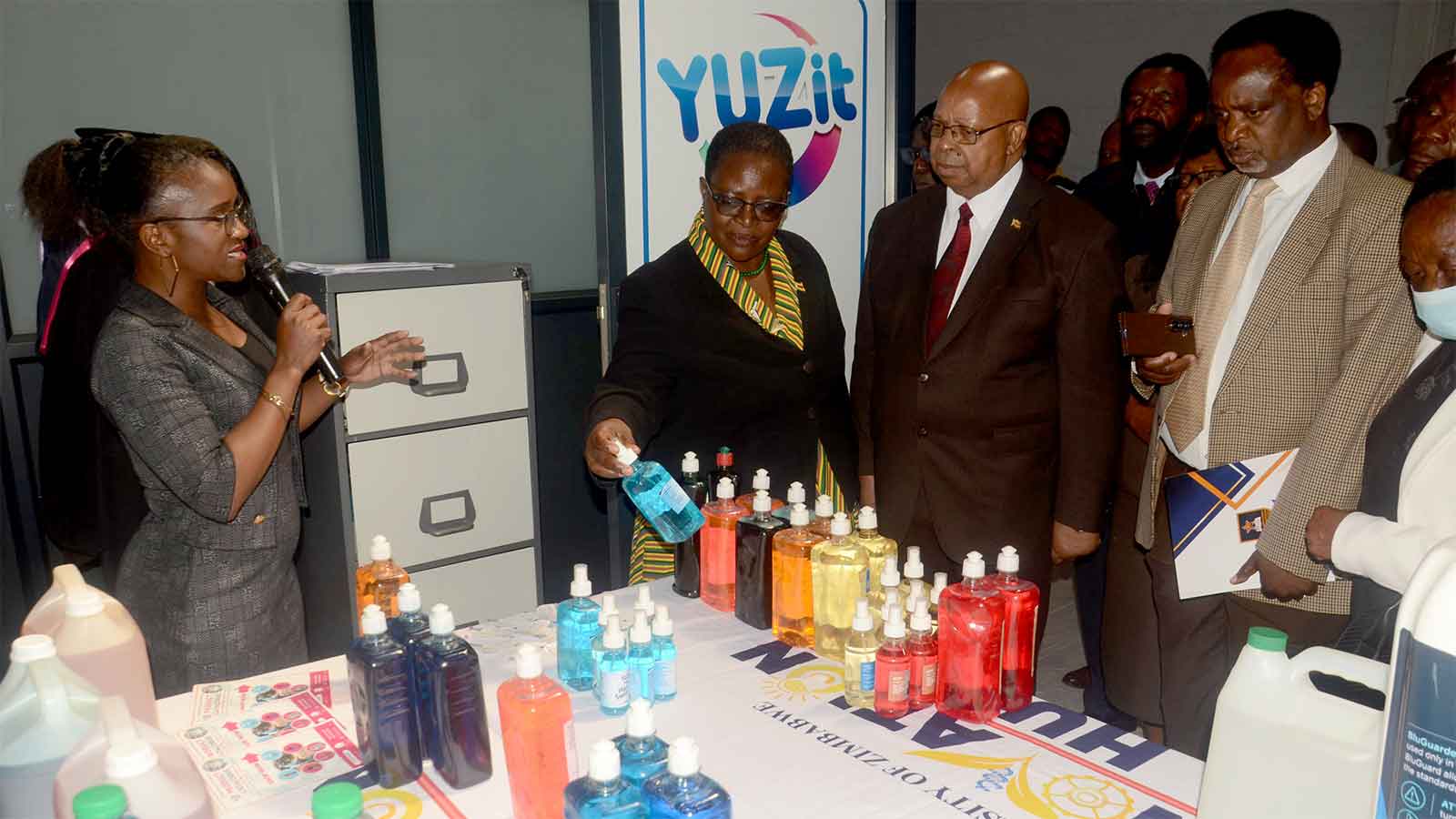
The Vice-Chancellor also outlined progress at the Msasa Industrial Incubation Centre, which is driving the commercialisation of research and innovation.
“At the Msasa Industrial Incubation Centre, we incubate start-ups that emerge from the Innovation Hub.
“They spend 18 months in the centre, after which they graduate as fully-fledged companies. This is in line with the national thrust on commercialisation and industrialisation.
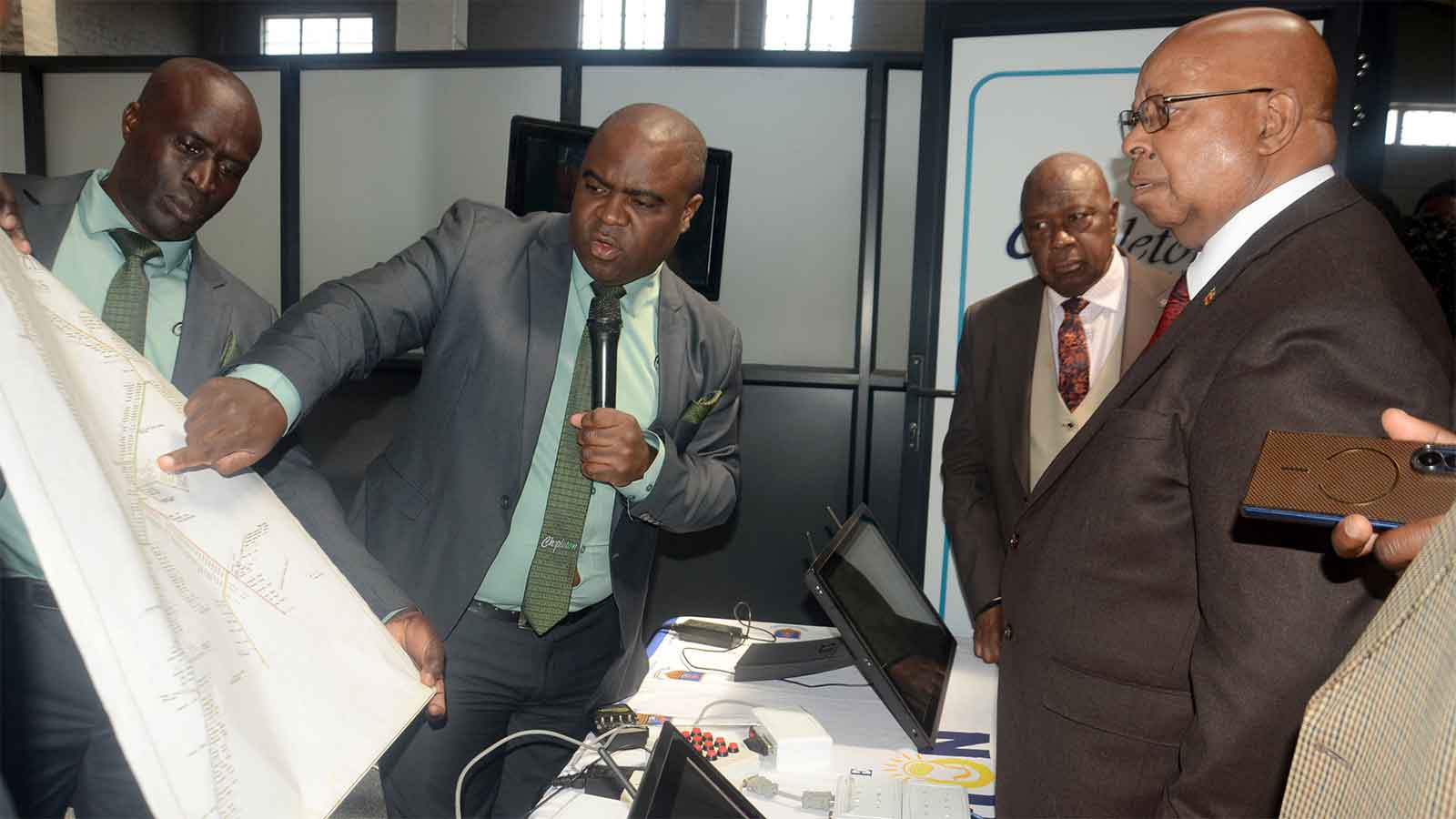
“At Msasa, we are seeing the production of new products derived from indigenous plants and locally produced pharmaceuticals. We have engineering start-ups working on revitalising the national railway system. Others are collaborating with ZESA to reduce vandalism and theft through technology,” Prof Mapfumo said.
He said other incubatees were manufacturing milling plants, cosmetics, biotechnology-based seed and digital applications to support education.
Some are using artificial intelligence and digital technologies to develop tracking systems and support number plate production, with more innovations in the pipeline awaiting commercialisation.
Speaking after the tour, Adv Mudenda commended UZ for leading the implementation of Education 5.0 and encouraged both the public and private sectors to embrace the transformative model.
“I speak with passion about this university because I am a former student of this university… Comrades, we wish the University of Zimbabwe all the success. And let it be a shining star in leading us in the implementation of Education 5.0.
“Our institutions in the private sector and public sector, they must change their mindsets otherwise they will not appreciate what is being done by our university and other universities around the country.
“No one from the moon, no one from Mars, no one from any other planet will drive our national development agenda; It’s none but ourselves and no one else,” he said.
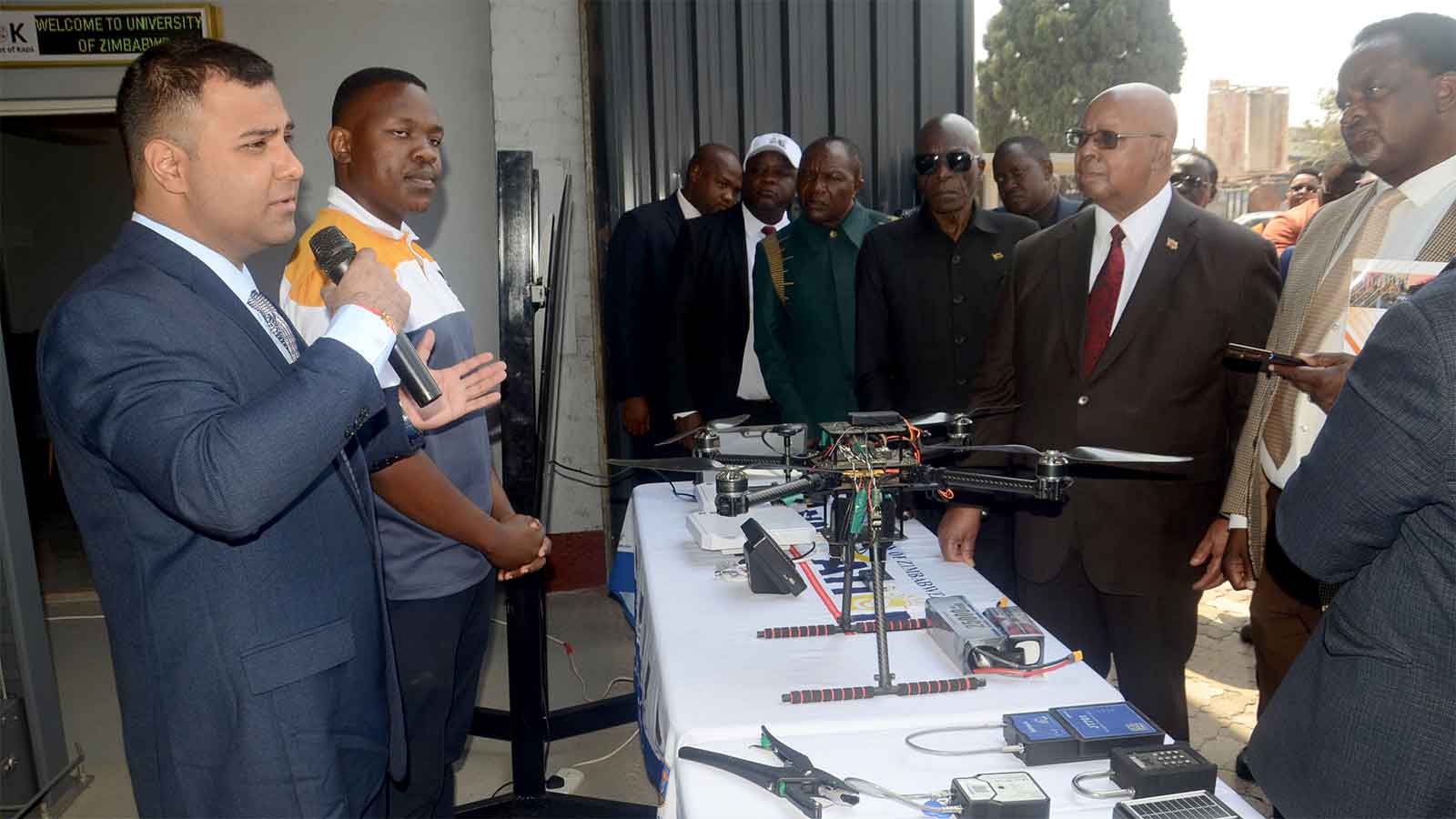
Speaking after the tour, ZANU PF Secretary for Information and Publicity Ambassador Christopher Mutsvangwa said progress at UZ demonstrated that Education 5.0 was yielding practical results.
“What we have found at the University of Zimbabwe’s incubation centre is deeply impressive. We are now confident that Education 5.0 is taking a practical orientation while deepening academic research so that Zimbabwe can produce world-class products ‘Made in Zimbabwe’ for the global market.
“This is the only way we can fully participate in the African Continental Free Trade Area, as well as in the global economic system.
“This aligns with the remarkable steps taken by the President to modernise the economy within a short period of eight years. We now have an advanced steel industry, food security and Africa’s most advanced lithium processing industry, to name a few,” Ambassador Mutsvangwa said.
ZANU PF Secretary for Education, Ideology and Research Cde Charles Tawengwa said the progress at UZ showed that Education 5.0 was moving from policy to production and should now be scaled up to meet national demand.
The university’s industrialisation thrust is aligned with Government’s Vision 2030 objective of attaining an upper-middle-income economy driven by science, technology and innovation.