

 Online Reporter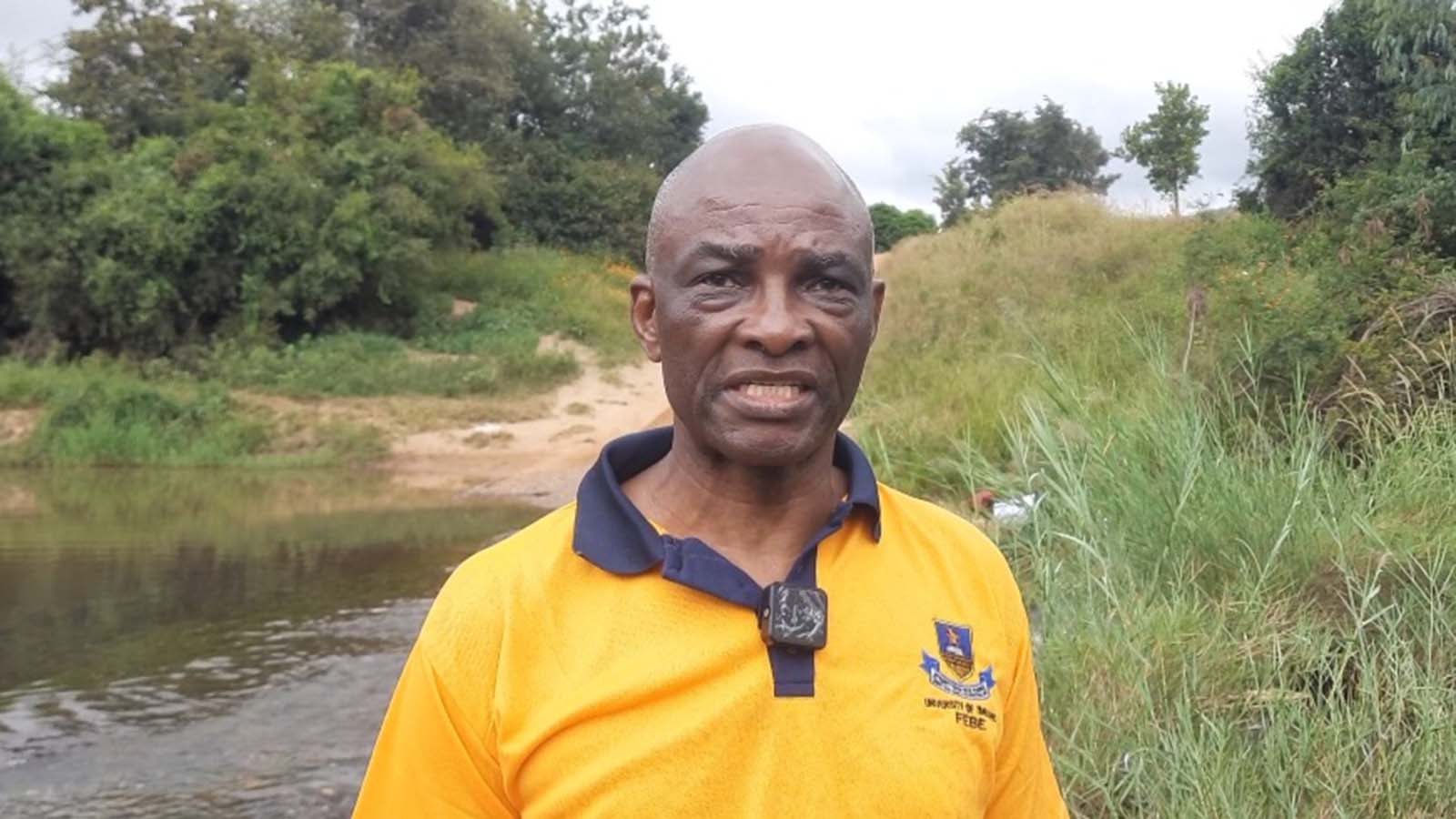
Elita Chikwati
Agriculture News Editor
THE University of Zimbabwe has underscored the need for collaboration across sectors, calling for partnerships with policymakers, investors and the private sector to spearhead development projects and improve livelihoods in rural communities.
This comes as the university, through its 11 diverse faculties, is working with communities to provide solutions to challenges they are facing, as the nation moves to boost rural industrialisation and household and national food and nutrition security.
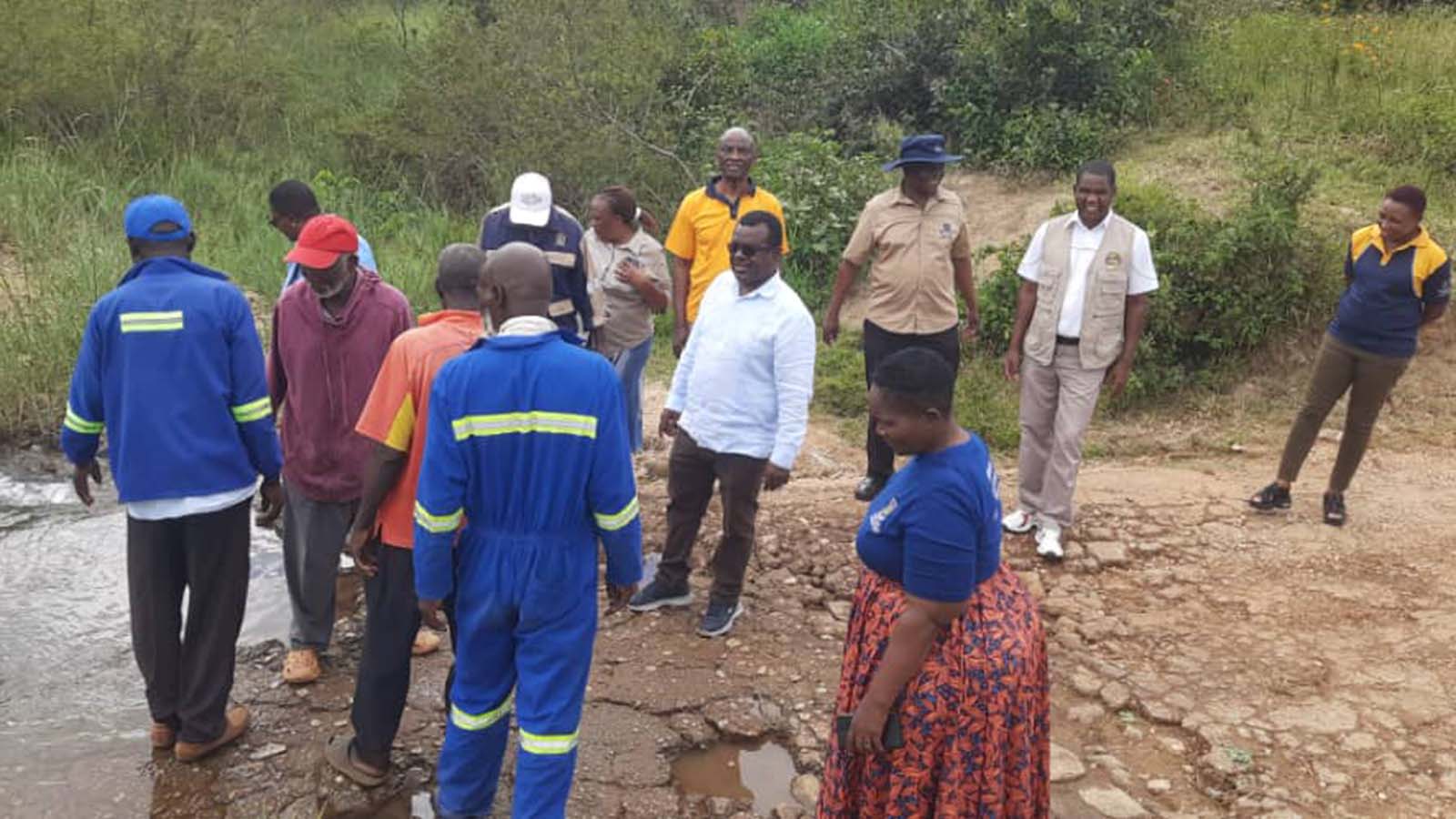
This came out during a recent tour of projects the institution is implementing in Tsakare, Mt Darwin.
UZ adopted Tsakare community when it adopted the Heritage Based Education 5.0 that places emphasis on transdisciplinary approach to research, innovation and industrialisation.
The institution is working with farmers in the production of sorghum, rehabilitation of infrastructure such as bridges and dip tanks and school infrastructure to complement Government efforts in improving livelihoods and ensuring rural industrialisation.
The community has, on the one hand, provided land for the development of a business centre, which will see the establishment of processing plants to promote value addition, job creation and rural industrialisation.
UZ Vice Chancellor Professor Paul Mapfumo said the institution needed support from partners to accomplish its developmental projects in different parts of the country.
“We are appealing to diverse partners in areas that support research and innovation and industrialisation to put hands together with us. This includes policy makers and political leaders in the areas we are working in.
“We share the same vision and models of development. We need support, we want students to be working with communities, designing and building infrastructure,” he said.
“We have a new architectural department that is able to design even houses suitable for specific environments but we cannot do it alone. We want partners to join us and even to collaborate in these processes and develop the models together and at the end of the day to have a replicable model that we can repeat or transfer to other areas.”
On infrastructural development, Prof Mapfumo said UZ had partnered Local Government and Public Works Ministry and urged all developing arms of Government and private sector willing to partake in this exercise to come on board to ensure a holistic approach to development.
“We have a faculty of engineering that has a civil engineering side that can construct bridges. We have been concentrating on agriculture because of the season,” he said.
“During the dry season we will continue with developmental projects. We should transform mind sets, so we can have the same vision that will see the NDS1 and NDS2 to fruition.
“We should understand the national vision and what it requires us to do. Community members should also work with us; they can even perform better than us if they learn.
“The university cannot do it alone but needs to work with other stakeholders so the students can do things that matter.”
Dean Faculty of Engineering and Built Environment, Dr Charles Chavhunduka said the UZ was no longer confining itself to lecture rooms or just carrying out research but was taking the knowledge to communities.
“We identified a challenge the community is facing and that Mupfure bridge gets flooded during the rainy season,” he said.
“Children experience challenges crossing the bridge when they go to school. Neither can members of the community cross the bridge to access other services including medical attention or markets for their crops.
“This is affecting the way people of Tsakare are living. As the UZ, in our philosophy of educating to change lives, we are collaborating with this community and assisting with designs for the bridge to transform lives and boost economic activities.”
Now they can go for a month without being able to cross the bridge. Tsakare community applauded the UZ for its projects, which they said were going a long way in solving their challenges.
Mrs Beauty Chisungo said the rehabilitation of the Mupfure bridge in Tsakare was going to reduce the challenges.
“During the rainy season, we spend even a month failing to cross this bridge,” she said.
“We have to take longer routes to market our crops while school children have to skip lessons at times.
“The situation is worse for us, women, as we have to prepare food for the family. During the rain season, it is difficult to go the grinding mill. The UZ has come at the opportune time.”
Mr Levy Magwaro said the UZ had brought development to the area.
“The university brought new crop varieties that perform well in low rainfall areas.” he said.
“This is going to help us establish a business community, which will promote value addition for our produce.”



