Moffat Mungazi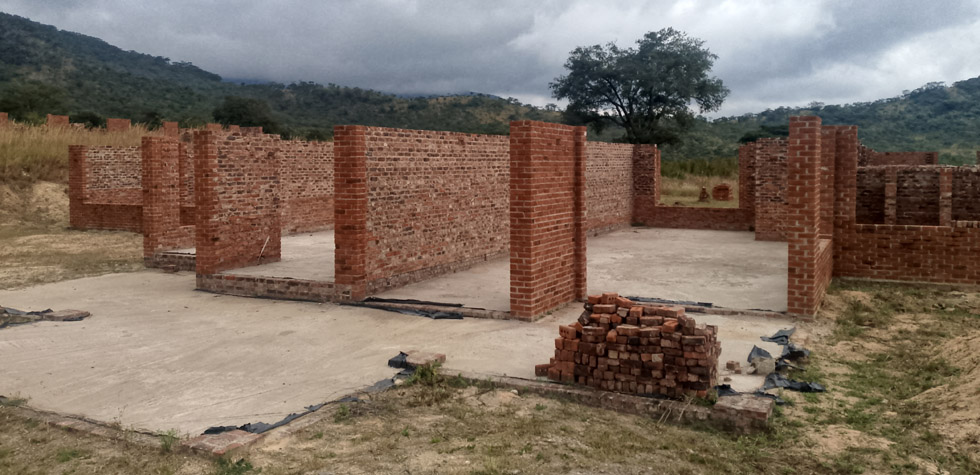
Lovemore Kadzura
Post Reporter
MANICALAND State University of Applied Sciences (MSUAS) is constructing on-site hostels to accommodate 200 students on its main Fernhill Campus in Mutare – a development set to boost enrolment growth.
The university currently has 830 students.
Lack of student accommodation has hindered enrolment growth, with parents hesitant to send their children, particularly girls, to the university.
Students rent rooms in nearby suburbs, often travelling long distances to attend lectures.
This was highlighted during a recent visit by the Parliamentary Portfolio Committee on Higher and Tertiary Education, Innovation, Science and Technological Development.
MSUAS Vice-Chancellor, Professor Albert Chawanda said hostel construction is expected to be completed by October 2025, with the first occupation planned for 2026.
The university’s two campuses – Fernhill and Headlands – are now fully operational, with plans to establish additional campuses in Chipinge and Chimanimani districts pending land allocation.
“MSUAS was granted its university charter in 2017, and I am proud to say that we have experienced remarkable growth since then. From our humble beginnings, the institution has steadily expanded its academic, infrastructure and research capacities. The university envisions a multi-campus model as part of its strategic development plan.
“Currently two campuses – the Fernhill Campus, which hosts our main administrative and academic operations, and the Headlands Campus are fully functional. Looking ahead, we have ambitious plans to establish additional campuses in Chipinge and Chimanimani. This expansion is, not merely about physical presence, but deliberate effort to bring higher and tertiary education closer to the communities we serve, ensuring that the university remains responsive to regional needs and inclusive in its reach.
“As one of Zimbabwe’s youngest, but fastest-growing institutions, MSUAS has, with invaluable support of Government, embarked on transformative infrastructure and academic development projects. These initiatives are aligned with Vision 2030 and National Development Strategy (NDS1), particularly in the spheres of human capital development, industrialisation, innovation and rural development,” he said.
The portfolio committee chairperson, Dr Thokozani Khupe urged universities to align their curricula with Heritage-based Education 5.0, emphasising the importance of research and innovation.
Honourable Khupe stressed that institutions of higher learning should focus on producing job creators, rather than job seekers.
“We are committed to supporting universities in their efforts to drive development through research, innovation, and industrialisation. Zimbabwe is richly endowed with natural resources, including agricultural land, minerals, and diverse wildlife. It is essential that our institutions of higher learning leverage these resources to conduct research, foster innovation, and produce export-quality goods,” she said.
Honourable Khupe emphasised the need for universities and technical colleges to produce graduates who can start their own businesses and create employment opportunities for others, citing NDS1 goal of creating 760 000 formal jobs.
She stressed that this can only be achieved through research, creativity, and innovation.
“We are pleased to note that Manicaland State University of Applied Sciences is making strides in the right direction, and we will advocate for continued support to enable the university to achieve its goals,” said Honourable Khupe.



 Online Reporter