Online Reporter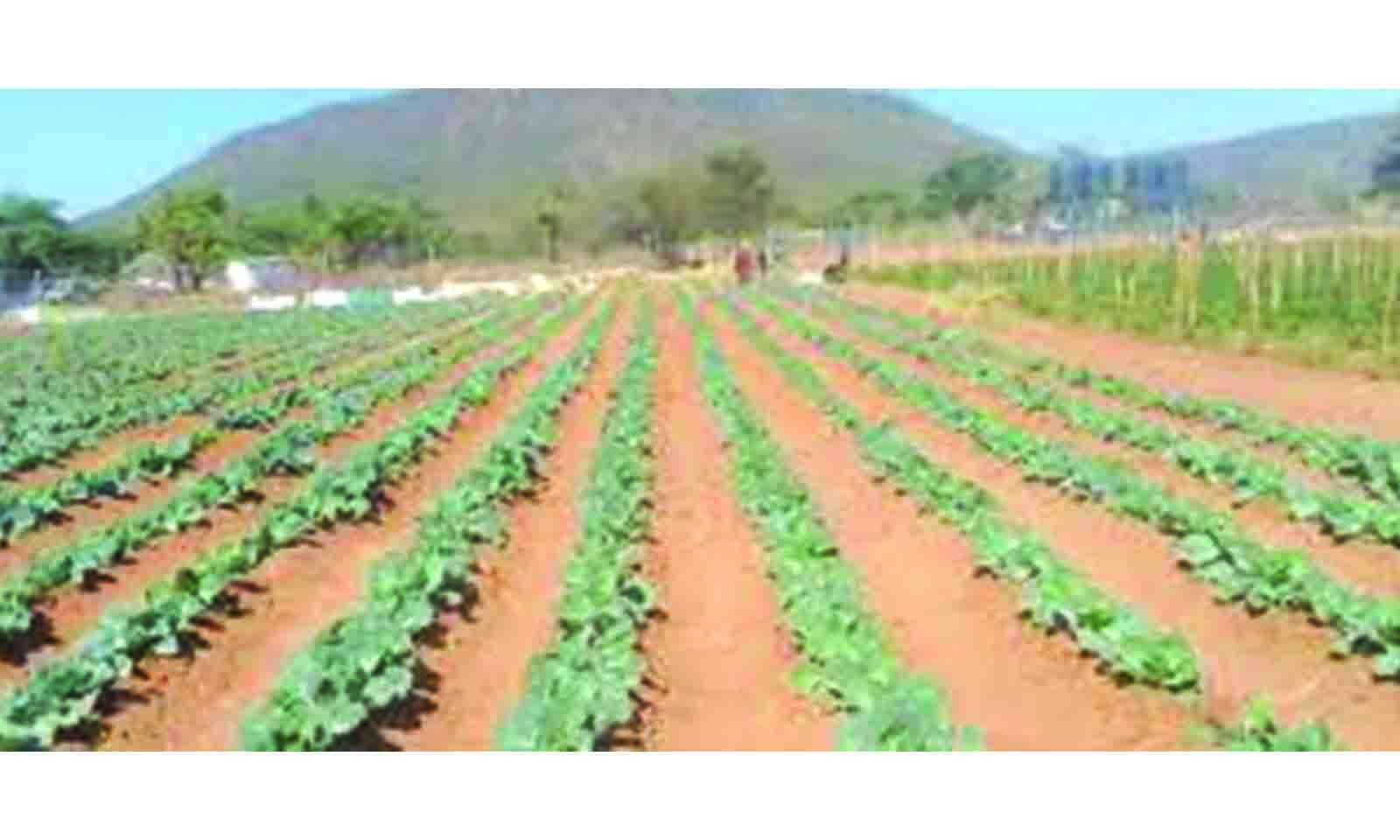
Precious Manomano
Herald Reporter
THE establishment of 1 172 Village Business Units across the country marks a significant step in combating food insecurity and uplifting rural livelihoods.
With 604 VBUs completed and 553 in progress, these initiatives are playing a vital role in enhancing nutrition and providing employment opportunities, showcasing the Second Republic’s unwavering commitment to revitalising previously marginalised communities.
Provinces have reported notable sales, underscoring the widespread benefits that these ventures bring to local economies.
Unlike traditional agricultural plots, VBUs are comprehensive business models designed to improve community livelihoods.
They are not just about farming; they represent a sustainable economic framework that empowers families and fosters a sense of community spirit.
A key component of the VBU initiative is the access to water, facilitated by the drilling of over 50 000 boreholes nationwide.
This critical infrastructure allows communities to cultivate a variety of crops, including tomatoes, onions, leafy greens, and winter maize.
The ability to grow these crops not only enhances food security and nutrition, but also provides a steady source of income for families.
Community members have embraced this opportunity, selling their produce in local markets and to large supermarkets, significantly improving their financial situations.
In addition to VBUs, the initiative also encompasses School Business Units (SBUs), which help schools generate revenue, thereby reducing dependence on school fees.
This dual approach ensures that both agricultural and educational needs are being addressed, creating a more holistic model for community development.
The VBU concept aligns seamlessly with the Second Republic’s Rural Development 8.0 initiative, which includes various programmes such as the Accelerator Model, Pfumvudza/Intwasa, Presidential Poultry, Fisheries and Tick Grease Schemes, and the Presidential Cotton Inputs Scheme.
These initiatives feed into the broader Vision 2030, which seeks to uplift rural communities, enhance agricultural productivity, and drive rural industrialisation.
In Manicaland, for example, the establishment of Village Agro-Business Units in villages like Chisuma, Temaruru, Tamburikayi, Hakwata, Chichesa, Mutema Secondary School and Chief Mutema’s homestead, has proven to be a game-changer.
The lives of beneficiary rural communities are being transformed, as they experience improved food security, job creation and enhanced income generation.
Lands, Agriculture, Fisheries, Water and Rural Development, permanent secretary Professor Obert Jiri has emphasised the importance of community involvement in these initiatives.
“We anticipate that the entire village will rally behind the village business unit to ensure its operational success,” he said.
“This initiative goes beyond just farming; it is about creating a sustainable economic model that empowers families and fosters community spirit.
“By working together, villagers can ensure food security, which is critical.”
The impact of VBUs extends far beyond mere financial gains.
For instance, the Masibambane and Zamani nutritional gardens in Lupane, have transformed into thriving business units, improving the livelihoods of over 100 local beneficiaries.
These gardens have become vital sources of food and income, demonstrating the potential of community-driven agricultural projects.
Beneficiaries often express their gratitude for the positive changes brought about by the VBU initiative.
A villager, Mrs Fungai Chivhoko, recently hailed President Mnangagwa for implementing sustainable projects that are uplifting livelihoods.
“This project has been a life changer for us. We have been able to sell products and get profits,” she said, reflecting the joy and hope instilled by these initiatives.
Secretary of the Dzenga VBU, Mrs Patience Mhlanga, shared her optimism.
“Our garden has four crops and after we make sales, we are guaranteed of making huge profits. We are grateful that we have access to water and drip irrigation,” he said. “Our lives are being transformed for real, and we are thankful to have been entrusted with such a project.”
VBUs represent a powerful tool for community empowerment and economic development, fostering collaboration and resilience among rural populations.
The VBU initiative not only uplifts rural livelihoods but also instils hope, demonstrating the potential for a brighter future driven by collective effort and innovation.