Online Reporter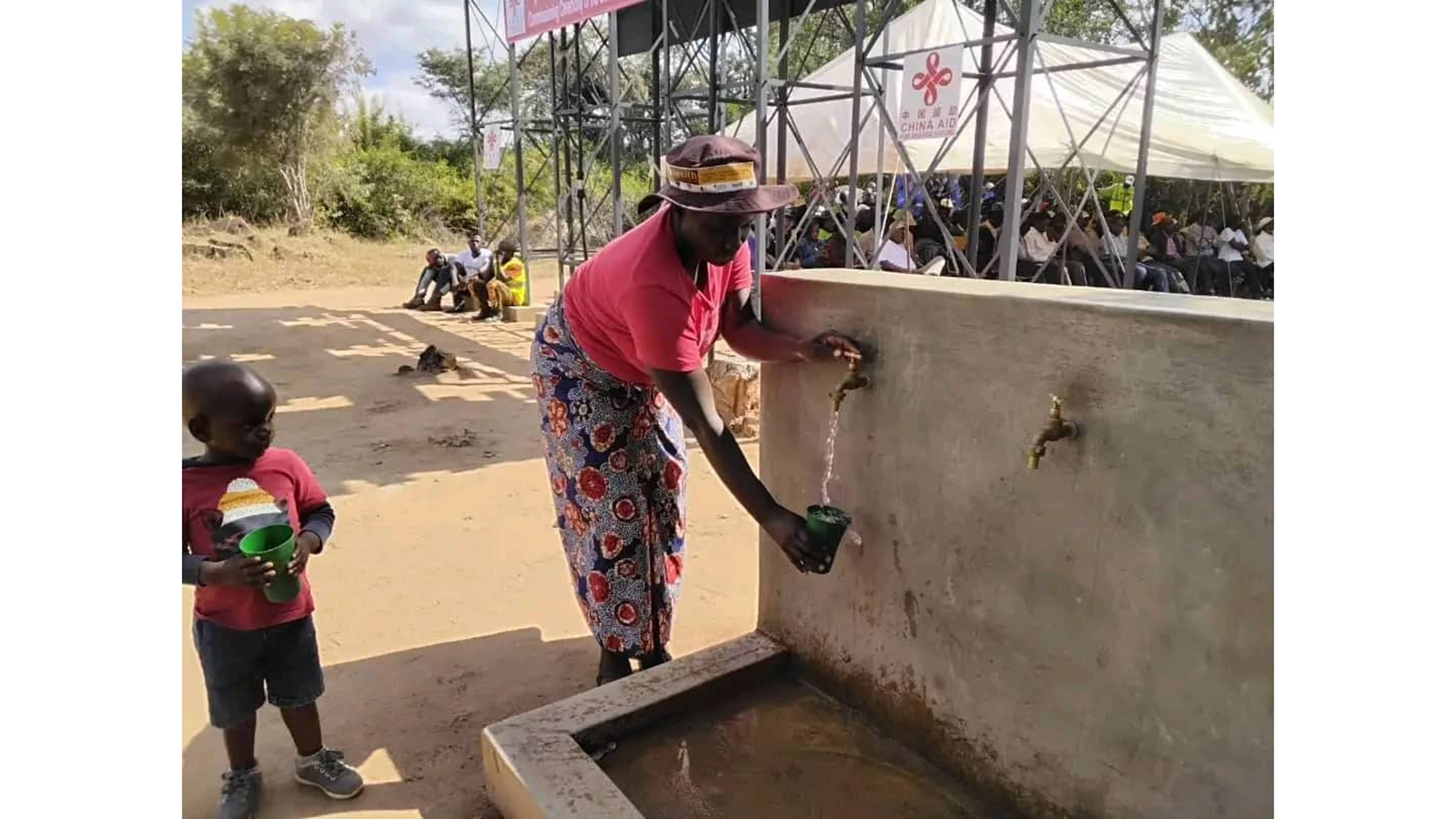
Theseus Mauruki Shambare
Herald Correspondent
GOVERNMENT’S Village Business Unit programme is set to transform the livelihoods of at least 120 000 rural families as authorities accelerate the establishment of more community-based agricultural enterprises across the country.
The figure is based on an average of 30 families benefiting from each of the targeted 4 000 Village Business Units, although some existing units have more than 50 families participating, suggesting the programme’s reach could be significantly higher.
The expansion of the programme is being supported by growing partnerships between Government and development organisations as Zimbabwe intensifies efforts to strengthen rural incomes, food security and climate resilience.
Agricultural Planning and Development Director Mr Leonard Munamati said Government had already established more than 2 000 Village Business Units countrywide and was now working with partners to rapidly increase the number.
“So, as Government, we have now established over 2 000 Village Business Units across the country. But we have realised that in the past year and a few months, we have got the private sector and development partners who are also coming in,” said Mr Munamati.
“We have got UNDP, WFP, Smallholder Agriculture Cluster Project and Care International.
“They are also coming in, and they want to partner Government to increase the establishment of Village Business Units.”
Mr Munamati said the programme was moving beyond traditional community gardens by converting them into productive business entities.
“We have got some gardens which we used to call nutrition gardens.
“These we are also upgrading. We have over 2 000 of these and if we quickly upgrade these, it means very soon we have over 4 000 of these business units,” he said.
The units are also being introduced in institutions, including schools, chiefs’ homesteads and vocational training centres, creating different models of community-based agricultural production.
At Chigume Village Business Unit in Ward 3 of Chivi District, the impact of the programme is already visible.
Established in April this year, the 50-member unit has started producing green mealies and sugar beans on half-hectare plots while preparing for crop rotation in future seasons.
Women are at the centre of the initiative, accounting for 48 members, while 21 members are youths.
Chigume village head Mr Gorobherg Chigodho said the programme had allowed communities to take charge of their own development.
“We want to thank the Government for bringing down this initiative to the village level, ensuring that communities command their own development,” he said.
“Our people have been struggling with harsh conditions of being an area that receives low rainfall.
“The solar-powered boreholes and the drip irrigation system have enabled our village to transition and become an agro-industrial hub.”
The initiative is also helping create rural employment opportunities.
Mr Newsbert Gamanya said the VBU had brought renewed activity to the community.
“The VBU has brought life into the community. We now see activities every day. People are no longer idle,” he said.
For 26-year-old Forward Hlongwani, the programme is providing young people with alternatives to seeking opportunities in urban centres.
“VBUs are now creating jobs. We no longer seek to go to urban areas for employment,” he said.
As Zimbabwe pushes towards rural industrialisation, the expansion of Village Business Units is positioning communities not only as producers of food, but as emerging centres of enterprise and income generation.