Moffat Mungazi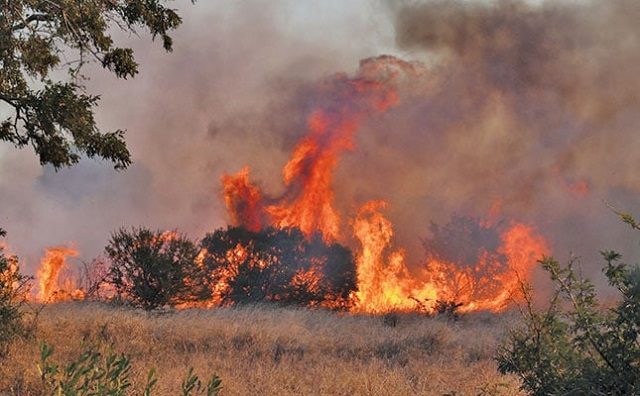
Lovemore Kadzura
Post Reporter
MANICALAND bore the brunt of devastating veld fires last year, with a staggering 74 083 hectares ravaged by flames in 2024 – a stark 251 percent increase from the 2023 fire season.
The uncontrolled blazes claimed two lives in Makoni and Chipinge districts, while livestock and game struggled to survive on severely depleted pastures.
Nyanga District was particularly hard hit, with 42 980 hectares destroyed, including significant damage to Nyanga National Park, while timber plantations also fell victim to the fires.
Nationally, the picture was equally grim, with 982 964 hectares destroyed in 4 554 fire incidents, resulting in property valued at US$7 million damaged.
Addressing stakeholders at the Mutasa District fire season launch on Wednesday, acting District Development Coordinator, Mr Tedious Beto issued a stern warning, emphasising the importance of preventing uncontrolled fires to protect lives, resources, and investments.
The fire season in Manicaland coincides with the dry season, which creates fertile ground for veld fires to start and spread.
During the period, the dry rangeland and windy conditions combine to increase the fuel load, making it easier for fires to ignite and get out of control.
Veld fire awareness campaigns are crucial in Manicaland Province, as they help to prevent the devastating effects of uncontrolled fires.
These campaigns educate farmers and communities on the importance of safe burning practices, fire prevention, and suppression methods.
By raising awareness, these campaigns can help reduce the risk of veld fires, protect lives, property, and the environment, and promote sustainable land management practices.
“Veld fires have overtime transformed into an issue of national concern, given their destructive impact with the country losing tracts of forests and grasslands of about one million hectares each year. In 2024, a total of 4 554 veld fire incidences were recorded and 982 964ha were lost across the country.
“These veld fires destroyed property valued at US$7 217 202, and resulted in three veld fires related deaths being recorded, two of these deaths were in Makoni and Chipinge districts. In Manicaland, 74 083ha of land due were lost to veld fires compared to 21 080ha in 2023, translating to a 251 percent increase in hectarage burnt by veld fires. Mutasa District in 2024 lost 4 334ha up from 875ha recorded in 2023.
“Such scenarios deprive wildlife and livestock pastures and leaving people counting loses in property, infrastructure, crops, grains and human life. The loses have a negative impact on the economy, and fires are also a driver of biodiversity loss, desertification, land degradation, drought, pollution, food insecurity and greenhouse gas emissions.
“This year an early start to the implementation of pre-suppression measures is critical as the province makes effort to ensure a zero tolerance to veld fires against the background of enhanced biomass enrichment due the normal to above normal rains received,” said Mr Beto.
Mr Beto said veld fires have potential to derail success being recorded under Government programmes, and called upon traditional leaders to take a leading role in combating veld fires through awareness campaigns.
“Preventing veld fires is key towards long term environmental and economic sustainability and also has a huge bearing on the achievement of the set targets in the National Development Strategy (NDS1). There is need to leverage on local knowledge and expertise from traditional leaders and to develop effective home grown strategies for preventing and mitigating veld fires thus protecting our environment and communities,” he said.



 Online Reporter