Online Reporter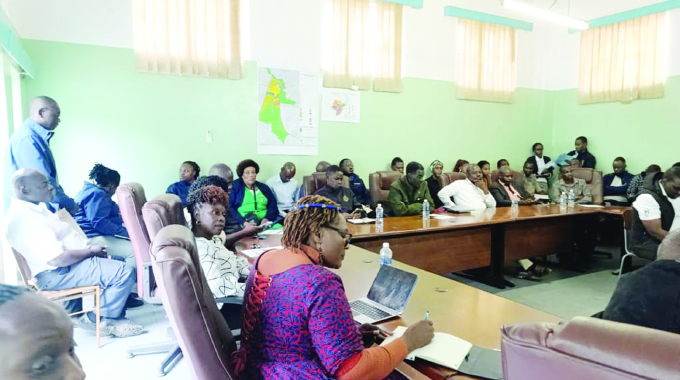
Rutendo Nyeve, Victoria Falls Reporter
THE City of Victoria Falls is brimming with pride as it prepares to join the prestigious list of 31 Ramsar Wetland Cities worldwide, a testament to its unwavering commitment to conserving the vital wetland ecosystems.
Key stakeholders in the city held a preparatory meeting on Tuesday afternoon where the city’s efforts were amplified.
Victoria Falls City public relations officer, Mr Leonard Ncube, detailed the steps taken to achieve this milestone and the ongoing initiatives to ensure sustainable wetland management.
He highlighted the city’s journey, emphasising the collaborative efforts between the local authority, communities, and environmental organisations.
“Our accreditation as a Ramsar Wetland City reflects years of dedication to preserving these critical ecosystems,” said Mr Ncube.
“From enacting local regulations to protect wetlands to engaging communities in conservation programs, Victoria Falls has demonstrated that sustainable development and environmental protection go hand in hand.”
The city’s approach has been multifaceted, combining policy enforcement with grassroots involvement.
Local regulations have been strengthened to prevent wetland degradation, while educational campaigns have raised awareness about the importance of these ecosystems.
Community clean-up campaigns and strict anti-littering laws have further safeguarded the wetlands, ensuring they remain pristine for generations to come.
The timing of this accreditation is particularly significant as Victoria Falls prepares to host COP15 next week, a global gathering focused on biodiversity and ecosystem conservation.
Wetlands, often referred to as the “kidneys of the earth”, play a crucial role in filtering pollutants, regulating climate, and supporting biodiversity.
Globally, wetlands have declined by 35 percent since 1970, a loss rate three times faster than that of forests.
This makes Victoria Falls’ achievement not just a local victory but a beacon of hope for global conservation efforts. Wetlands are indispensable to achieving several Sustainable Development Goals (SDGs), including clean water (SDG 6), climate action (SDG 13) and life below water and on land (SDGs 14 and 15).
They act as carbon sinks, mitigate flooding and provide livelihoods for millions. The Ramsar Convention, supported by over 170 countries, underscores the international commitment to wetland protection, with World Wetlands Day celebrated annually on February 2nd to raise awareness.
Mr Ncube reiterated the city’s resolve to maintain its wetlands sustainably.
“Our work does not stop here. We will continue to collaborate with stakeholders, enforce policies, and innovate solutions to tackle challenges like plastic pollution, as seen in our partnership with Ele-Collection,” he added.
The city’s proactive stance aligns with Zimbabwe’s constitutional right to a clean environment (Section 73) and the National Development Strategy 1 (NDS1), which prioritises natural resource management.
As Victoria Falls steps onto the global stage during COP 15, its Ramsar accreditation serves as a powerful example of how cities can balance urban development with ecological preservation.
“We are ready to share our story and learn from others. Together, we can ensure wetlands continue to sustain biodiversity, combat climate change and support communities worldwide,” said Mr Ncube.
The city’s success is a call to action for other regions to prioritise wetland conservation. With its blend of policy rigour, community engagement and international collaboration, Victoria Falls stands as a model of environmental stewardship, a legacy that will endure long after COP 15 concludes.
As the world gathers in Victoria Falls next week, protecting wetlands is not just an environmental imperative but a foundation for a sustainable future. And Victoria Falls, now a Ramsar Wetland City, is leading the charge. — @nyeve14