Bulawayo Bureau
PRESIDENT Mnangagwa and First Lady Auxillia Mnangagwa are expected to attend the official opening of the 8th International Solar Alliance Regional Africa Committee Meeting in Victoria Falls tomorrow.
The high-level meeting, which brings together representatives from about 40 countries, started yesterday and was preceded by project visits and a press conference.
This meeting is expected to produce several key outcomes, including Zimbabwe becoming the 11th African country to sign the Africa Solar Facility and the signing of the Zimbabwe Declaration, which prioritises the use of solar energy in agriculture.
ISA, a multilateral institution of the Global South headquartered in India and comprising 128-member countries, is organising the meeting in partnership with the Ministry of Energy and Power Development on behalf of Zimbabwe.
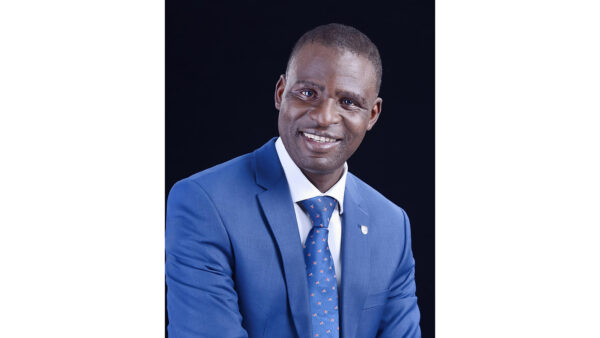
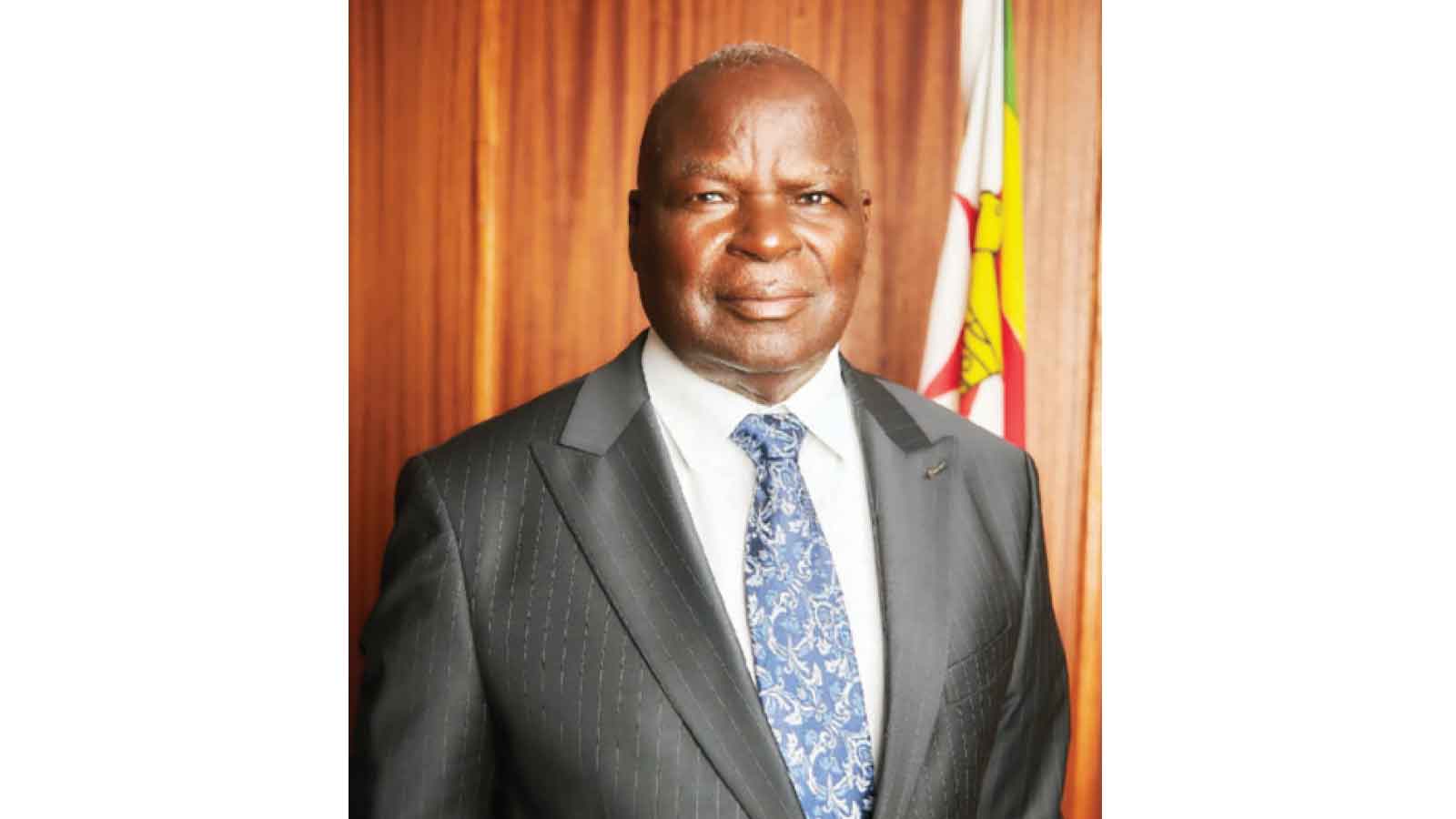
Speaking at a press conference in Victoria Falls yesterday, Energy and Power Development Minister July Moyo, who addressed the media alongside ISA director-general Mr Ashish Khanna, said solar energy was critical to addressing energy challenges worsened by climate change.
“As Zimbabwe, we feel honoured that you chose us to host this regular meeting that you hold in Africa. We feel that holding this at this opportune time when we are talking about energy and all sources of energy is very good for us so that we can push our solar energy as part of our mix,” he said.
Minister Moyo said Zimbabwe wanted to increase the contribution of solar and other renewable energy sources to the national electricity mix, with a target of 27 percent by 2030.
“We were having a balance with thermal at 55 percent and hydro at 45 percent, but we are happy that this meeting must give us an impetus to move our solar energy and other renewables to the desired level within 27 percent of the total supply of electricity in this country by 2030,” he said.
The official opening will be followed by a closing ceremony in which the First Lady is expected to participate.
ISA director-general Mr Khanna said Africa had reached a stage where it needed to move beyond discussions and accelerate actual deployment of solar power.
“It is great that Zimbabwe will host more than 45 countries of Africa coming together.
“We are seeing a huge increase in solarisation of countries and Africa itself has increased use of solar by 200 percent in the first six months of this year,” he said.
He said solar power had become increasingly attractive because of its declining cost, climate benefits and ability to be deployed in decentralised systems such as rooftop installations.
“Africa is now ready not only for talks but for actually going big. In the next three days we will be releasing a flagship report on solarisation in Africa, not about what needs to be done but how Africa can take leadership because we believe Africa now has momentum, strong political will and strong endeavour to lead,” said Mr Khanna.
A major highlight of the meeting will be the signing of the Africa Solar Facility involving ISA, Africa50 and the Nigerian Investment Authority.
The financing vehicle is expected to support African private-sector entrepreneurs investing in decentralised solar projects.
Mr Khanna said Africa needed to strengthen its own capacity to develop and implement solutions to its energy challenges.
He said a Solar Technology Application Resource Centre, designed as a centre of excellence, would also be opened in Zimbabwe.
Despite Africa’s vast solar potential, the continent continues to face a significant financing gap.
Mr Khanna said about US$2 trillion was spent globally on clean energy last year, but only two percent of that investment came to Africa, despite the continent accounting for about 60 percent of global solar potential and around 600 million Africans lacking access to electricity.
He said stronger partnerships between governments, financiers, businesses and local communities were therefore required to accelerate the rollout of renewable energy.
“This requires country partnership frameworks because this requires strategy, policy and financing and local people to implement, so we will be signing a country partnership with Zimbabwe and Senegal and Seychelles,” he said.
Agriculture will also be a major focus of the meeting, with the ISA seeking to promote solar-powered irrigation and other renewable-energy applications in the agricultural sector.
Mr Khanna said food security could be strengthened through the increased use of solar energy, particularly given the low level of irrigation across Africa.
“Food security requires solarisation and so we want to have a target of one million solar farms for Africa because only 4 percent of arable land is irrigated hence countries will sign the Zimbabwe Declaration prioritising solarisation of agriculture,” he said.
The agreements and initiatives being pursued during the meeting are expected to help expand Africa’s pipeline of solar projects while strengthening local expertise in policy development, regulation, procurement and private-sector participation.