

 Online Reporter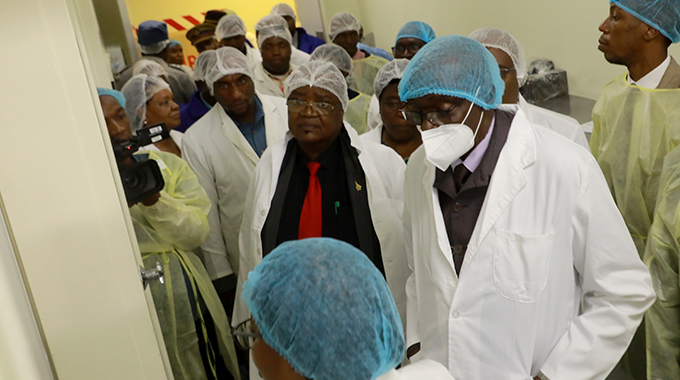
Robin Muchetu, Lifestyle Health and Gender Editor
ZIMBABWE’S pharmaceutical manufacturing sector is poised to play a pivotal role in strengthening the country’s health system and revitalising Bulawayo’s industrial base if given adequate support and investment, Vice-President Kembo Mohadi said.
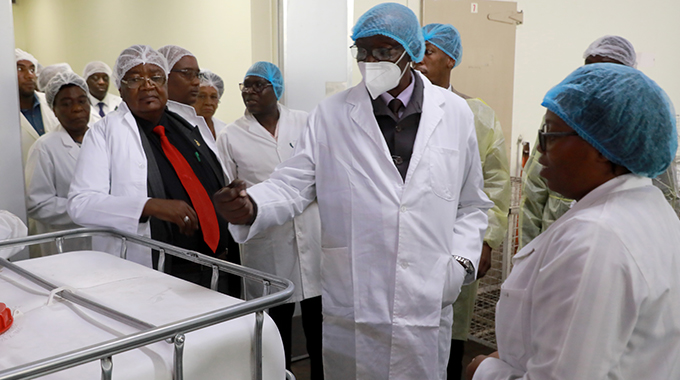
Speaking during a tour of Zimbabwe Pharmaceuticals (ZimPharm) in the Belmont industrial area in Bulawayo on Thursday, VP Mohadi called for increased backing of the local pharmaceutical industry as part of the Government’s broader economic recovery and healthcare resilience agenda.
“We would like such firms like ZimPharm to grow so that it can provide adequate medicines and pharmaceuticals to our health sector. We are importing quite a lot of pharmaceuticals from other countries because we do not have the requisite numbers to produce locally,” he said.
“My encouragement is that we need to grow them and support them so that they produce enough for the health sector locally.”
VP Mohadi’s remarks align with the Second Republic’s goal of transforming Zimbabwe into an upper-middle-income economy by 2030 in line with the mantra “leaving no one and no place behind.”
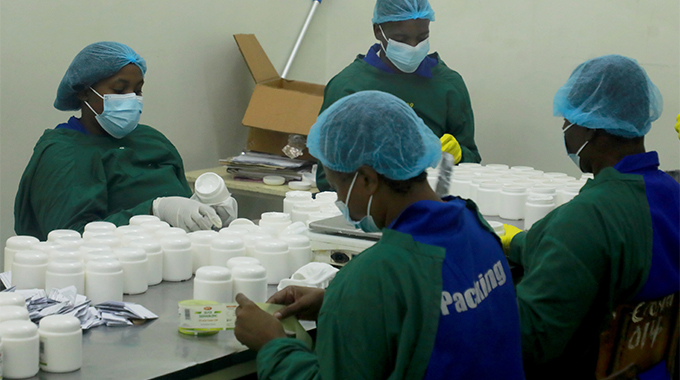
The Vice-President applauded ZimPharm for remaining operational under difficult economic conditions, including limited space, outdated machinery and foreign currency shortages.
Currently, Zimbabwe imports up to 70 percent of its pharmaceutical products, mostly from India, China, and South Africa. This heavy reliance on imports makes the country vulnerable to global supply chain disruptions, foreign currency shortages and inflated drug prices.
According to the Ministry of Health and Child Care, revitalising domestic drug production is a key component of Zimbabwe’s National Health Strategy (2021-2025), which promotes pharmaceutical self-sufficiency and the use of locally manufactured essential medicines. “They are doing a commendable job. But we need to support them more, especially in accessing raw materials and modern machinery, because the medicines they produce are critical for our population’s health,” said VP Mohadi.
The Vice-President said reviving Bulawayo’s industrial capacity, particularly in key sectors like pharmaceuticals, textiles and manufacturing, was essential for national economic revival. He noted that Bulawayo used to be the heartbeat of our industry.
“Smoke used to rise from these factories. KoNtuthu ziyathunqa. That’s no longer the case, but we’re working on bringing that back through re-industrialisation,” said VP Mohadi.
He urged both public and private sectors to invest in underutilised industrial infrastructure in the city to restore Bulawayo’s status as Zimbabwe’s industrial capital.
“We need to go back to where we were and even do better. If we create jobs and produce locally, the GDP will grow, disposable incomes will improve, and Government revenue for infrastructure development will also increase,” said VP Mohadi.
“We used to be the head of textile industries here and many other industries and produced quite a lot.”
ZimPharm general manager, Mr Donald Mabhiza, said the industry urgently needs long-term capital investment to retool and expand operations.
“We are operating in an environment where long-term capital to fund pharmaceutical development and retooling of facilities is scarce. The products that are available are short-term and expensive,” he said.
“Pharmaceutical development of products is lengthy, time consuming and costly so we need patient money that can walk with us that path to develop products that are relevant to the public health needs of the country.”
Mr Mabhiza said disease burdens have since evolved over the years and the medicines also evolve, stressing the need for them as an industry to remain relevant to health needs of the country.
“Medicines that we used to take in the 1980s are no longer the same that we are taking now so that investment is required to continue to be on the same level in terms of the disease burdens. Today we have non-communicable diseases that are burdensome to the population,” he said.
“So, we need to develop medicines and manufacture them locally along with the critical mass, costs will come down and quality will improve.”
Bulawayo Provincial Affairs and Devolution Minister Judith Ncube welcomed the Vice-President’s visit, saying it allowed national leaders to better understand local industrial challenges.
“It’s encouraging that the Vice-President took time to engage with our industries directly. It means that when he speaks in Harare, he does so with first-hand knowledge of our situation,” she said.
The visit to ZimPharm was part of a broader two-day tour in Bulawayo, where VP Mohadi met with various stakeholders to explore industrial revival strategies. — @NyembeziMu



 Bongani Ndlovu