

 admin
admin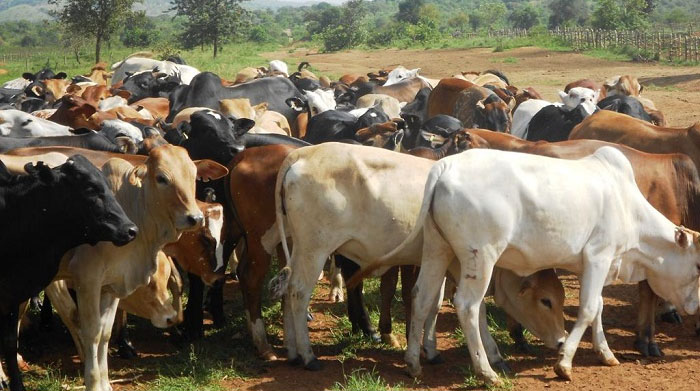
Edgar Vhera Agriculture Specialist Writer
FOR the Zimbabwean farmer, village cattle are more than a bank, as they offer a variety of utilities such as draft power, manure, milk, transport and other functions that may not be so apparent to the undiscerning eye.
Livestock and Meat Advisory Council (LMAC) administrator Dr Reneth Mano said this recently when he took time to explain the immense contribution of village cattle in everyday life.
“Village cattle are a store of value (bank), provide meat, milk, draft power, manure, transport and used in traditional rituals.
“From an economic point of view, cattle go into the mountains, plains and forests to eat grass/waste and convert it into milk and meat for food and nutrition,” said Dr Mano.
Dr Mano said cattle were a transformative technology that converted things that people cannot capitalise on and produce food, and services like tillage. They are a form of organic factory, he added.
Those who use manure as fertiliser for their crops tend to keep older ones for long as they produce more manure. Cattle roam into territories that are not suitable for crop production to derive value for humans.
“Cows can produce three litres of milk daily from grazing in the fields, they don’t need special care and attention and don’t need any feed formulations and can survive under harsh conditions,” remarked Dr Mano.
The importance of village cattle production is grossly understated, as they have many positive externalities that need to be valued to understand their true value.
Meanwhile, Livestock Farmers Union chairman Mr Sifiso Sibanda was of a different opinion saying draft power, manure, milk and use for traditional purposes were all subservient to commercial beef.
“Zimbabwean cattle are a bank and ought to be commercialised for improved milk and meat production.
“As a country we ought to have a commercial herd of quality bulls that produce large quantities of meat from one carcass,” said Mr Sibanda.
Mr Sibanda said it was travesty of justice for the country to continue with inferior breeds of cattle that require the slaughter of seven head of cattle to produce meat that can be produced from merely killing of one beast.
He said those who wanted milk should invest in the dairy herd and improve the breed, which also applies to those who need meat. These need to procure quality bulls to improve the genetics of the cattle.
“There is nothing special in our local cattle breeds, as they yield low meat and milk. They need to be upgraded through the purchase of quality bulls or heifers.
“If this cattle upgrade exercise is taken seriously, in five to seven years the country will have a vibrant livestock sector,” added Mr Sibanda.
The 2023 first crop and livestock assessment report showed that the national beef cattle herd grew two percent from 5 509 983 in 2021 to 5 642 400 in 2022.
The national dairy herd also increased by 11, 30 percent from 47 825 to 53 250 while the milking herd grew to 35 100 cows in 2022 from 31 524 in 2021.
A lot of players have embarked on artificial insemination as part of efforts to improve the cattle breeds.



 Online Reporter