

 Chronicle Editor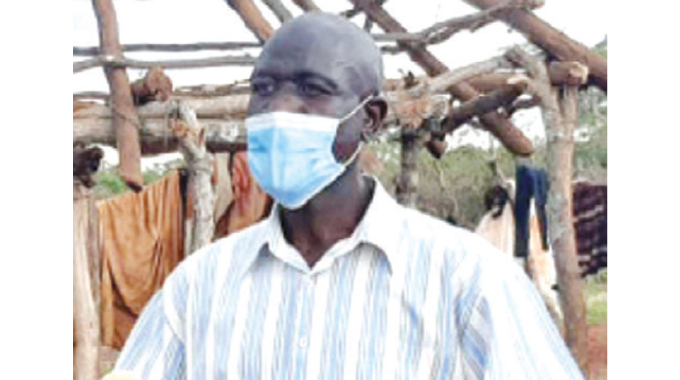
Yoliswa Dube-Moyo, Matabeleland South Bureau Chief
VILLAGERS from Thornwood Farm, Gwanda District, are at odds with a local church over the construction of schools in the area. The Zimbabwe Assemblies of God Africa (ZAOGA) is reported to have bought 56 hectares of land in the area on which it plans to build a primary and a secondary school, among other projects. The resettled villagers say the site where the church intends to build the schools would result in them losing a significant portion of grazing land for their livestock.
Villagers argue that the construction of the schools would also eat into their fields.
Mr Enock Sibanda, the village head, said villagers were concerned about losing their pastures and fields, which have been sustaining their livestock and their livelihoods. “We’re not against the construction of the schools but we’re afraid that if the schools are constructed here, we might end up losing our fields. It would have been better if they moved a bit further up from us,” said Mr Sibanda.
Thornwood Farm falls under Ward 22 which is represented by Councillor Marry Mpofu who said the resettlement area could not afford to frustrate development.
“The area where the school is set to be built is state land. The church bought the land from the Ministry of Lands and came with all the necessary documentation but some people in the area will have none of it. The resettlement area has no primary or secondary school. There are also no health facilities in the area. Thornwood Farm is desperate for such a development,” said Clr Mpofu.
She said resettlement areas had a problem of school children being raped or kidnapped due to the long distances they travel to school. “We constantly hear about children being raped and others being killed. Some children learn 40 to 50kms away from home. As a result of the long distances, some children don’t go to school at all,” said Clr Mpofu.
Gwanda acting district development coordinator Mr Thulani Moyo said poor planning had resulted in the underdevelopment of some resettlement areas. “Rural service centres in these areas are being planned and supervised by the Ministry of Lands and some of them have no essential facilities like toilets,” said Mr Moyo. He said rural district councils should have a deliberate policy for the construction of clinics and schools.
Most resettlement areas in the province do not have schools or clinics, forcing villagers to walk long distances to access these facilities. In an effort to equitably distribute land, the country embarked on a land redistribution exercise which saw beneficiaries moving to vast tracts of land. The farms, however, did not have schools, health facilities and service centres.- @Yolisswa



 Online Reporter
 Bongani Ndlovu