Timothy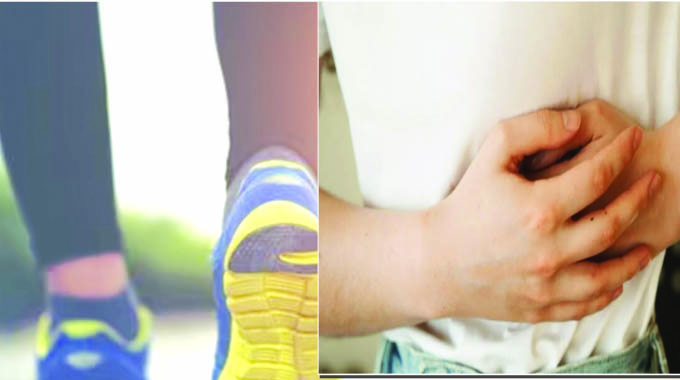
In the ever-evolving world of fitness trends, a somewhat bizarre practice has recently gone viral, and it is called the “F**t walk”.
Coined by Toronto-based cookbook author Mairlyn Smith, who playfully dubs herself the “Queen of Fibre”, this unconventional digestive aid is exactly what it sounds like — a post-meal stroll that encourages the release of intestinal gas.
While it may elicit giggles, this trend is rooted in the serious business of digestive health. Dr Pranav Honnavara Srinivasan, consultant gastroenterologist at Fortis Hospitals Bengaluru, says, “Walking after eating is not just about stretching your legs; it is a strategic move to optimise your digestion.
“Physical activity stimulates the muscle layer in your gastrointestinal tract, propelling food through your system more efficiently and reducing the chances of bloating and constipation.
“This is not just anecdotal evidence; a study in the Journal of Gastrointestinal and Liver Diseases found that post-meal walking can significantly speed up ‘gastric emptying’, the process of moving food from your stomach to your small intestine.”
He adds that it also helps regulate blood sugar, which is especially beneficial for those with type 2 diabetes or insulin resistance, as backed by research in Diabetes Care.
Relationship between fibre intake, gas production, and the potential benefits of walking after meals
Dr Srinivasan says fibre-rich foods are nutritional powerhouses for gut health, but they can sometimes lead to increased gas production during fermentation in the gut. This can cause discomfort and bloating.
“However, a post-meal walk can be a helpful tool. Walking helps stimulate peristalsis, the rhythmic contractions that move food through the digestive tract. This aids in expelling gas and alleviating bloating.”
Avoid intense exercise immediately after eating
Types of physical activity or duration recommendations
To get the most out of your post-meal stroll, aim for a 10-15 minute walk at a leisurely pace, recommends Dr Srinivasan.
This duration has been shown to be sufficient for stimulating digestion without causing discomfort. If walking isn’t your preference, gentle yoga or stretching can also be beneficial.
He adds, “Twisting motions, in particular, can help release trapped gas. A study in Medicine and Science in Sports and Exercise suggests that even short bouts of light activity after eating can significantly enhance digestion.”
Potential drawbacks or considerations individuals should be aware of Dr Srinivasan stresses; “Avoid intense exercise immediately after eating, as it can divert blood flow away from the digestive tract and towards
your muscles, potentially hindering digestion.”
Listen to your body and adjust the intensity and duration of your walk as needed. If you have any underlying health conditions, especially gastrointestinal ones, consult your doctor before incorporating post-meal walks into your routine.
Do not forget to stay hydrated, as dehydration can worsen digestive symptoms like constipation and bloating.
Dr Srinivasan notes, “The f**t walk may have a funny name, but it’s a simple and scientifically-backed way to support your digestive health.” — Daily Express



 Online Reporter