Online Reporter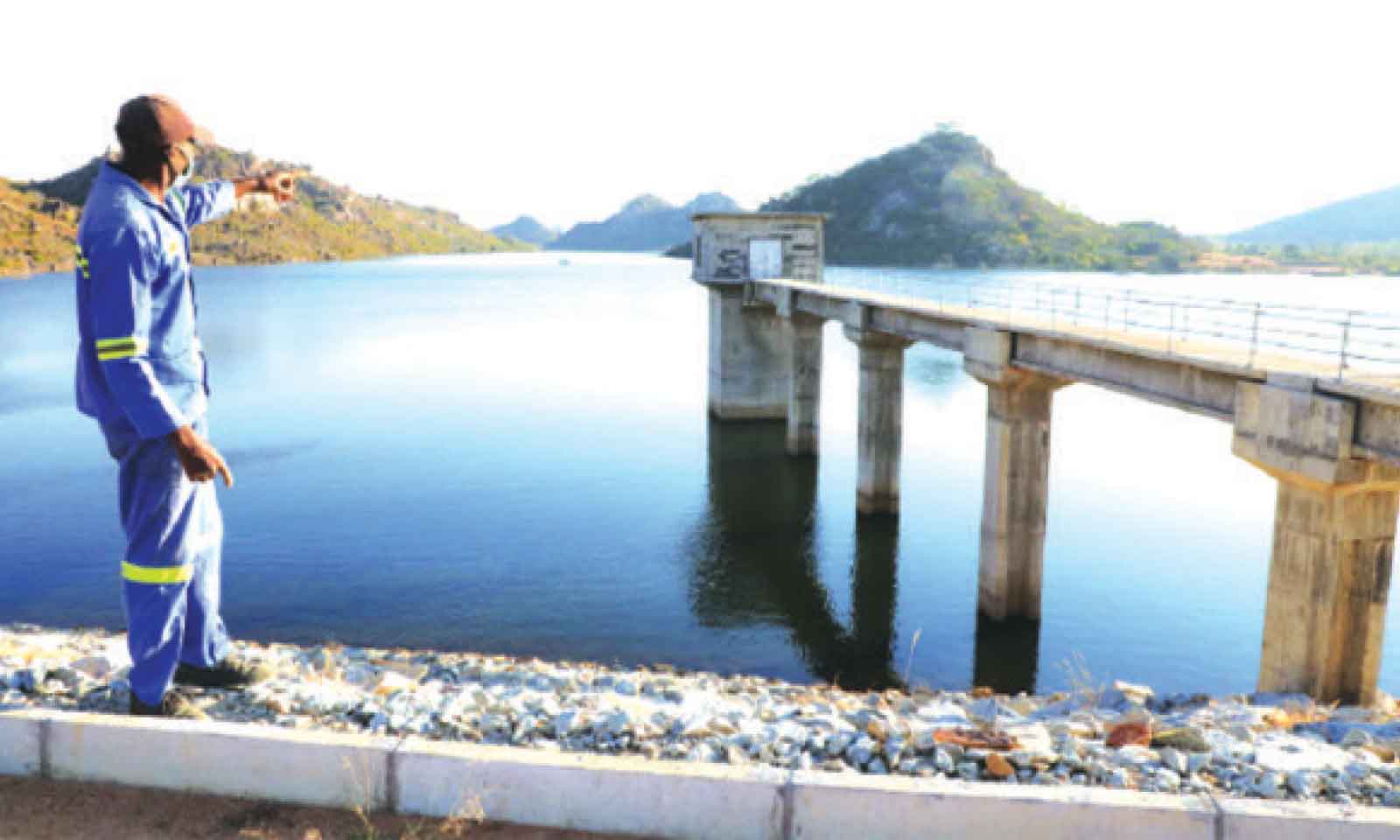
Nyore Madzianike
Senior Reporter
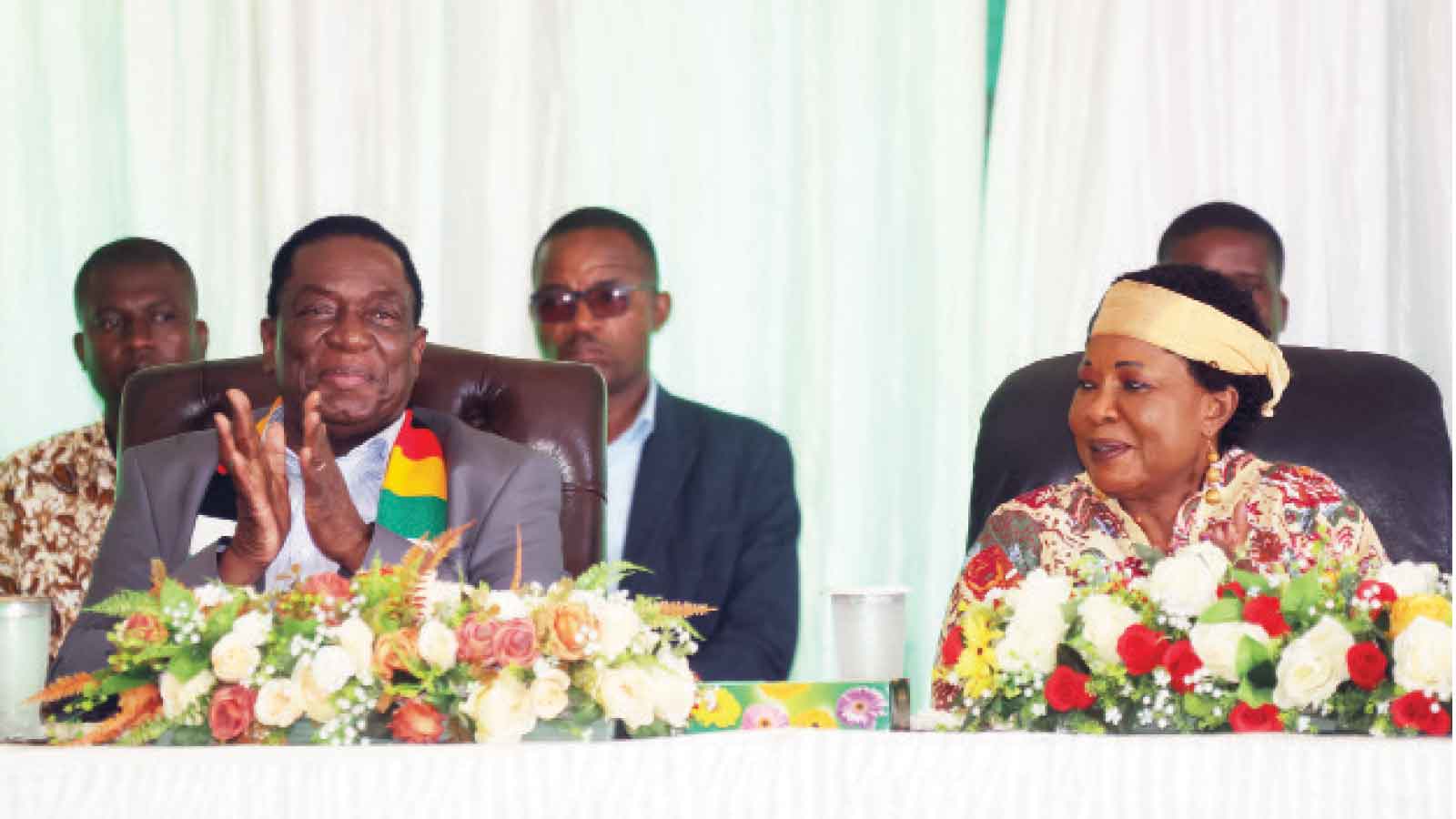
COMMISSIONED by President Mnangagwa on November 11, 2020, the Marovanyati Dam in Manicaland Province marked a new era of water security, agricultural productivity and rural development in an area that had long been afflicted by drought.
Built on the perennial Mwerahari River, the Marovanyati Dam project was contracted for construction to China Jiangxi Corporation in May 2003 and works commenced soon thereafter.
However, the project stalled, a scenario that President Mnangagwa bemoaned during the commissioning of one of the Second Republic’s signature projects.
Between 2007 and 2008, construction had begun to falter due to a lack of funds.
Reports indicate that by the time the construction was suspended, the dam was only under 40 percent towards completion in certain components.
Further funding shortfalls led to extended halts in production while many communities continued to endure water shortages, failed harvests and economic stagnation.
During that period, Buhera’s farmers were forced to rely almost entirely on erratic rainfall, with irrigation almost abandoned.
Livestock suffered, food insecurity rose, as the project, though physically started, was for many years a symbol of unfulfilled promises.
When President Mnangagwa assumed office, his administration assessed stalled projects across the country and made Marovanyati Dam a priority.
“This dam was not envisaged by us, but it was a project that has been in the pipeline for so many years. When we came, we moved from talking to implementing this project.
“This has taken two years; this dream is now a reality,” President Mnangagwa said during the commissioning of the dam.
In August 2017, the project was reviewed and fast‑tracked.
Over the period 2017 to 2020, full financial, administrative and construction commitment was made through President Mnangagwa’s wisdom and mantra that ‘no one and no place will be left behind’.
The Government allocated internal resources and worked through the Zimbabwe National Water Authority (ZINWA) and China Jiangxi Corporation to resume and complete construction.
The Marovanyati Dam’s total cost was approximately US$33 million, with a capacity to hold 50 million cubic metres of water.
“We have brought devolution through which we give regions budgets where they can pursue their own goals, but for such projects, central Government steps in.
“In the past, we used to borrow to build such infrastructure, but with this project, there is no loan from anyone that we will have to pay back.
“We have built this with our own resources even though we are under sanctions,” the President said.
Since its commissioning, Marovanyati Dam has delivered concrete improvements in many spheres.
The dam has enabled all‐year farming, shifting Buhera away from the vulnerability of rain‑fed agriculture.
Crops such as tomatoes, onions, sugar beans, maize and groundnuts are now grown under irrigation.
The Murambinda Irrigation Schemes (A and B) are already benefiting many in the area.
Approximately 1 200 hectares have been cleared for more irrigation facilities.
Households in Murambinda Growth Point and other surrounding villages now have a more reliable water supply.
The dam also supplies water to Murambinda Town Board, Dorowa Mine and Sabi Star Lithium Mine.
During construction, many locals were contracted and post‑completion, communities are engaged in farming, fishing and related value chains.
Markets have opened up with produce from Buhera now reaching places beyond Murambinda Growth Point, like nearby boarding schools, hospitals in Masvingo, Chivhu and Hwedza, expanding incomes for farmers.
With reliable water, Murambinda Growth Point is finding its footing with reports of investors showing interest in fisheries, tourism and hospitality around the reservoir.
The dam has become a symbol of the Second Republic’s deliverables, as people in Buhera no longer feel abandoned.
While many benefits are already being felt, expectations remain high.
Additional schemes downstream, such as Guwanda, Kwarire, Muguta, Chipudzana, were planned to make use of the dam’s water.
The signature project also augmented the roll-out of Village Business Units (VBUs) under the Presidential Rural Development Programme, which continues to transform rural livelihoods across the country.
They are also empowering families with commercially viable enterprises that are delivering food security, income generation and long-term economic resilience.
In Buhera District, the success of the Dzenga and Gwevu Village Business Units stands as a testament to the impact of the programme under the Presidential Rural Development Programme.