

 Online Reporter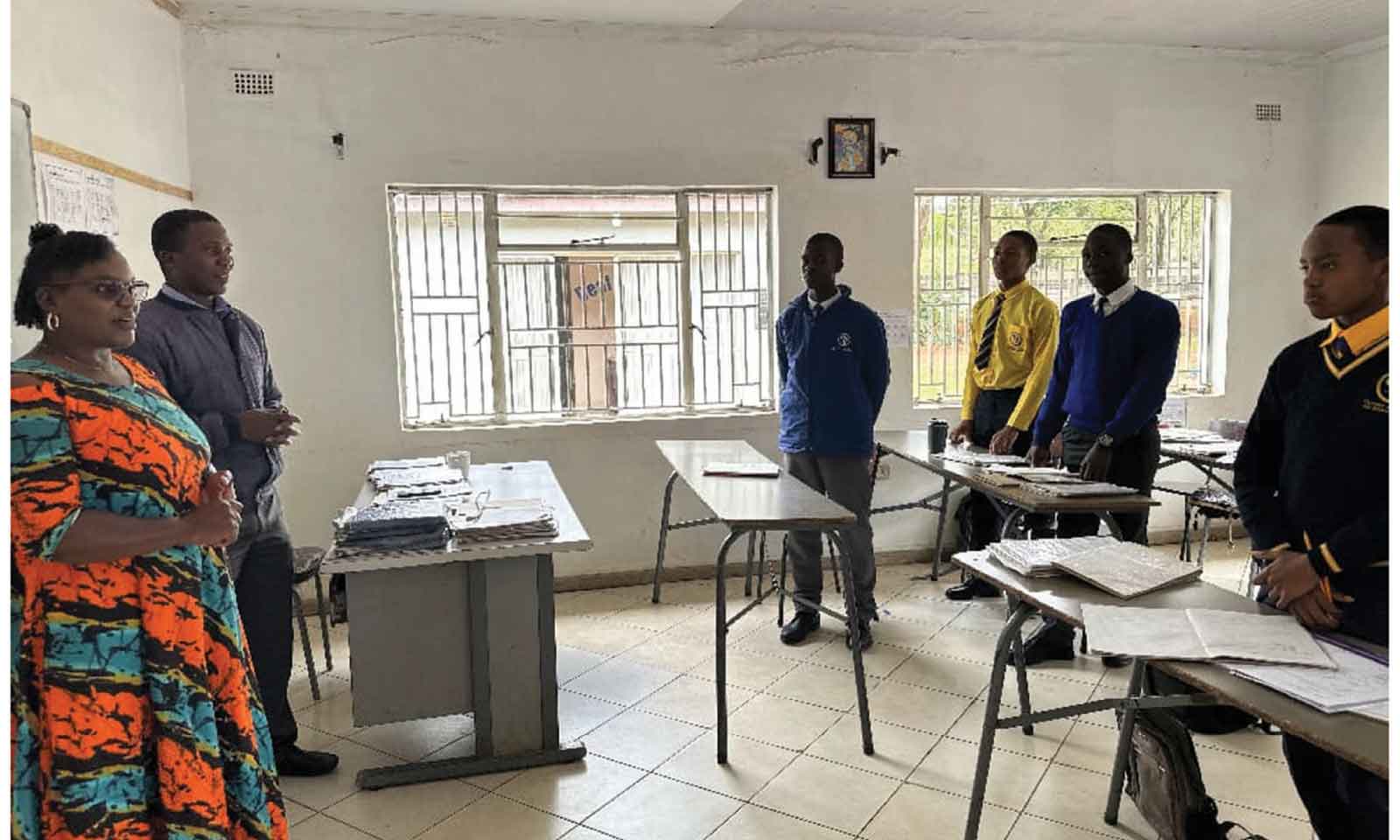
Precious Manomano
Herald Reporter
In Zimbabwe, the landscape of disability advocacy is undergoing a vibrant transformation — a shift fuelled by the voices and experiences of individuals who navigate the challenges of disability in their daily lives. This evolving sector is characterised by a growing recognition of the complexities surrounding both visible and invisible disabilities, allowing for a more inclusive understanding of advocacy.
The momentum fostered by these voices is gradually dismantling entrenched barriers that have historically marginalised individuals with disabilities, making way for a brighter and more equitable future.
While visible disabilities often receive more attention in discussions about disability rights, there is a commendable movement towards expanding awareness to include invisible disabilities such as deafness and psychosocial conditions.
As conversations evolve, existing inequalities are being challenged, with advocates passionately fighting for recognition and equal opportunities for all. The significance of this shift cannot be overstated.
Deaf Zimbabwe Trust Director Mrs Babra Nyangairi emphasises the importance of this growing awareness.
“Persons with invisible disabilities are gaining visibility in our engagements; there’s a greater awareness in disability inclusion work. This recognition not only enriches individual lives but also propels the community’s overall progress towards meaningful inclusion.”
The journey towards inclusivity took a turn in 2013 with the passage of Zimbabwe’s new constitution, which officially recognised sign language.
This monumental achievement is a testament to the Government’s commitment to upholding the rights of persons with disabilities and resonates deeply within the community.
Mrs Nyangairi highlights the importance of this legal recognition.
“The recognition of sign language is a monumental win for persons who are deaf and hard of hearing. While other countries continue to fight for this acknowledgement, Zimbabwe has taken a significant step forward. It’s a constitutional provision that must be embraced and operationalised across all facets of life.”
The commitment to implementing these provisions reflects a serious dedication to fostering an inclusive society. While the Government has laid the groundwork for progressive laws, the focus on practical application is essential.
Mrs Nyangairi articulates the challenge ahead.
“Our new disability law, effective in 2025, is expansive and covers everything from access to health care to active participation in public life. This proactive approach illustrates the Government’s determination to foster an environment where all individuals are empowered.”
Education is heralded as a cornerstone of empowerment and transformation, especially for the deaf community.
The Government is making strides to ensure quality education is accessible, yet challenges remain.
Mrs Nyangairi observes positive changes within educational practices.
“Educators are beginning to recognise and understand the unique needs of students, which leads to effective teaching methods. The historical reliance on resource units for various disabilities is evolving, enabling these spaces to become vibrant centres of learning rather than mere holding cells for students.”
These advancements represent a vital step in nurturing an educational system that genuinely promotes engagement and learning for all students, particularly those with disabilities. With ongoing training and support for educators, there is hope for a future in which quality education is attainable for every child.
Accessibility in public spaces is another area where significant improvements are evident. Mrs Nyangairi advocates for inclusive urban environments and reflects on the strides being made.
“We have seen beautiful road networks developed, demonstrating a commitment to better infrastructure. There is an increasing awareness that urban planning must take into account the needs of wheelchair users, cyclists and pedestrians. This proactive stance showcases the Government’s determination to ensure that all residents are considered in city planning.”
This commitment to inclusive infrastructure highlights the essential interplay between aesthetic urban development and the functional needs of diverse community members. The focus on accessibility not only enhances the daily lives of individuals with disabilities but also fosters a society that values empathy and understanding.
Furthermore, ongoing efforts to combat stigma surrounding disabilities are integral to the progress being made.
Mrs Nyangairi describes the positive shifts in societal perceptions.
“Efforts are underway to transform deep-rooted stereotypes. By focusing on success stories within the community, we inspire others and challenge societal stigmas, reinforcing that representation truly matters. When individuals with disabilities are seen succeeding, it paves the way for broader acceptance.”
In challenging the stigma associated with disabilities, the community is becoming more open and inclusive, promoting narratives that showcase the abilities and achievements of individuals with disabilities.
Despite ongoing barriers, the future is bright with possibilities. Mrs Nyangairi maintains a hopeful outlook, expressing confidence in the commitment to reform and advocacy.
“We are making progress, though incrementally. Each step forward is a victory worth celebrating and the Government’s dedication to reform reflects a deep-rooted commitment to forging an inclusive society.”
As new laws come into effect in 2025, the advocacy landscape is poised for further transformation.
This ongoing push for legislative reform is vital to ensuring that the rights of individuals with disabilities are not only recognised but fully realised in practice.
The Government’s proactive stance in this realm is critical to fostering genuine inclusivity.
The journey to disability inclusion in Zimbabwe is marked by both challenges and triumphs, encapsulated in a narrative of hope and resilience. The essence of social justice and human rights is embodied in this pursuit of inclusivity. It serves as a resounding call to action, reminding society that cities must be designed not only with infrastructure but also with empathy and an understanding of diverse needs.
By empowering individuals through quality education and promoting positive perceptions of disability, communities can create a ripple effect that enriches the lives of all citizens.
Currently, the major impediment faced by persons with disabilities (PWDs) remains inaccessibility. However, the Persons with Disabilities Act (1996) provides a legal foundation for the promotion and protection of the rights of PWDs.
This vital framework advocates not only for accessibility in public buildings and transportation but also underscores the Government’s unwavering commitment to fulfilling these obligations.
As Zimbabwe progresses, shifting its perceptions and practices, the voices and efforts of advocates will be pivotal in shaping an inclusive society.
The ongoing journey towards inclusivity resonates with broader global movements advocating for the rights of persons with disabilities. This momentum ignites hope for a future where everyone is respected, valued, and celebrated — where the barriers that once divided are broken down in favour of unity and understanding.



