Online Reporter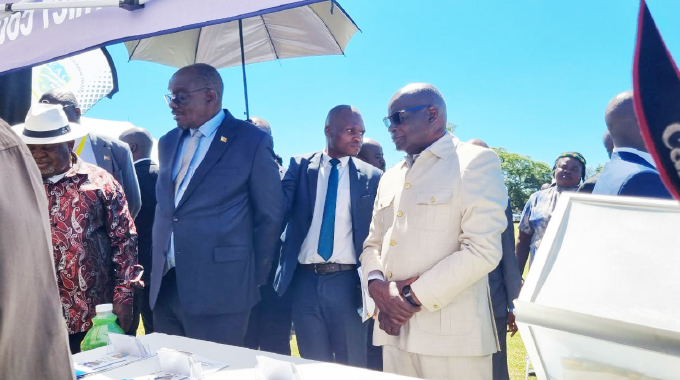
Nothando Zondo, @[email protected]
VICE President Kembo Mohadi has urged Rural District Councils across Matabeleland South to look to the sun for answers, calling on them to embrace green energy solutions as a practical and powerful route towards sustainable development and the realisation of Vision 2030. His message was clear and deliberate: the future of development, particularly in rural Zimbabwe, must be clean, resilient and self sustaining.
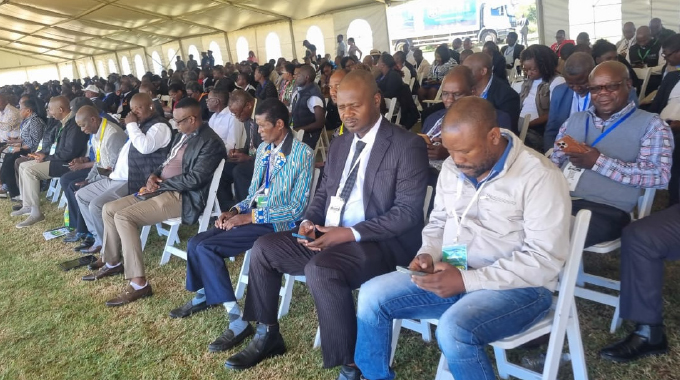
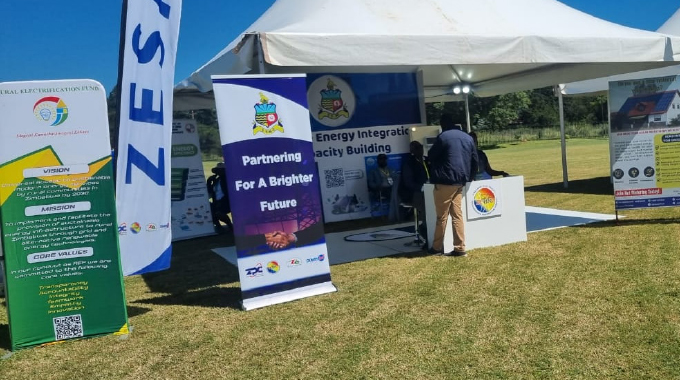
The call was made as he officiated at the Umzingwane District Solar Mini Grid Expo, a gathering that brought together local authorities, policymakers, investors and community leaders, all united by a shared curiosity about what renewable energy can offer. Against the backdrop of growing energy demands and changing climate patterns, the expo became more than an exhibition; it was a conversation about possibilities, responsibility and long term vision.
Vice President Mohadi placed strong emphasis on the growing role of renewable energy in driving economic transformation, describing it as a cornerstone for unlocking development across key sectors. He noted that agriculture, mining and rural communities stand to benefit immensely from reliable and affordable power, particularly in areas long underserved by conventional energy systems.
“This conference demonstrates the growing importance of solar energy in sustainable economic development. It reflects the need to embrace renewable energy as a key enabler for social and economic transformation,” said VP Mohadi.
He further said that the Government has placed renewable energy at the heart of its development agenda, aligning closely with the National Development Strategy 2 and Vision 2030. These frameworks, he said, seek not only to improve access to energy, but also to strengthen climate resilience and support inclusive economic growth that leaves no community behind.
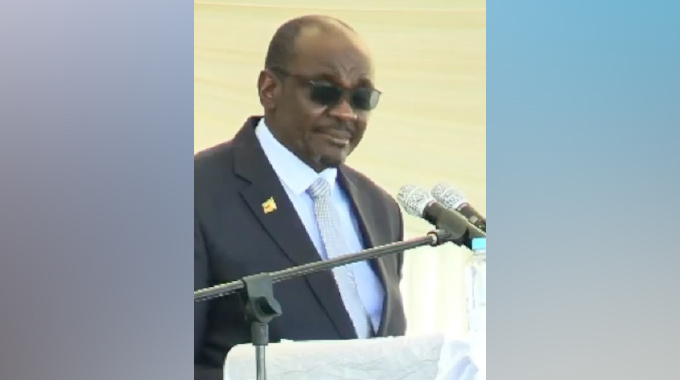
“The Government has set clear targets to transition towards renewable energy sources, with a goal to achieve significant installed renewable capacity by 2030. This is in line with our commitment to ensuring affordable, reliable, and sustainable energy for all,” said the Vice President.
To support this transition, VP Mohadi highlighted that several policy frameworks are already in place, including the National Renewable Energy Policy and the National Energy Efficiency Policy. These policies are designed to encourage clean energy adoption across critical sectors, creating an environment where investment in renewables is not only welcomed, but actively supported.
He added that the Government has gone a step further by introducing incentives aimed at accelerating uptake, particularly in rural areas. These include tax relief, reduced licensing fees and financial support mechanisms intended to lower entry barriers for investors and local authorities seeking to develop renewable energy projects.
“As a country, we are committed to developing home-grown solutions and strengthening partnerships with the private sector and development partners to accelerate the green energy transition and advance rural industrialisation,” he said.
Reaffirming Government commitment on the ground, the Vice President noted that thousands of rural institutions, including schools and clinics, have already been electrified through a combination of grid and solar power systems, a development that has begun to change the daily realities of service delivery in remote areas.
Across Matabeleland South, that commitment is beginning to take shape at local level. Several Rural District Councils in the province have started embracing renewable energy initiatives, citing cost savings, greater efficiency and improved service delivery as key motivations behind the shift.
Insiza RDC Chief Executive Officer, Mr Shepherd Tshuma, said green energy offers clear financial and operational advantages for both councils and the communities they serve.
“The advantage of using green energy is that there are no charges payable to service providers such as ZESA by the RDC or community. Maintenance costs are low,” he said.
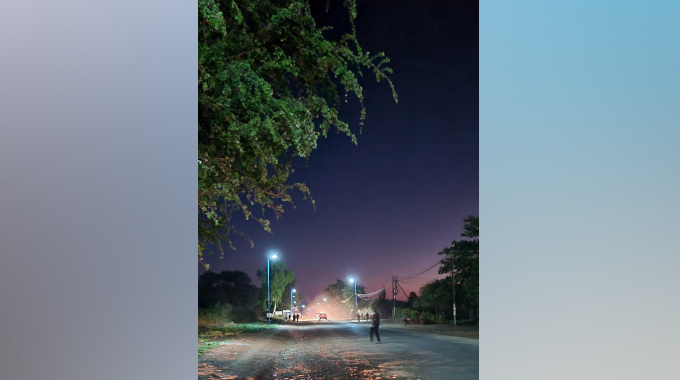
In both Insiza and Umzingwane districts, councils have already taken visible steps towards this transition by integrating solar powered infrastructure such as street lights into their broader sustainability strategies. These installations not only illuminate roads and public spaces, but also symbolise a growing confidence in renewable solutions.
Umzingwane RDC Chief Executive Officer, Mrs Sithembiso Sibanda, said renewable energy brings wide ranging benefits that ripple through communities and local authorities alike.
“For the community at large, renewable energy means reliable power for homes, schools and small businesses. It reduces costs over time, improves air quality and creates local jobs in the form of installations, maintenance and innovations,” she said.
She added that beyond the immediate benefits, renewable energy gives communities a sense of ownership over their future while allowing councils to plan with greater certainty.
“It gives communities greater control over their future. For local authorities, it offers a chance to build smarter, more established towns and cities. Renewable energy can stabilise energy supply to public services, reduce operational costs and support long-term planning aligned with climate and development goals,” she said.
These developments come at a time when the Government has intensified its push for green energy adoption nationwide, signalling a clear shift in how Zimbabwe intends to power its growth in the years ahead.
In positioning renewable energy as a central pillar of sustainable development, the country is increasingly focusing on innovation, resilience and inclusive economic growth, with the understanding that clean power is not just about electricity, but about dignity, opportunity and a future that communities can confidently build together.