Online Reporter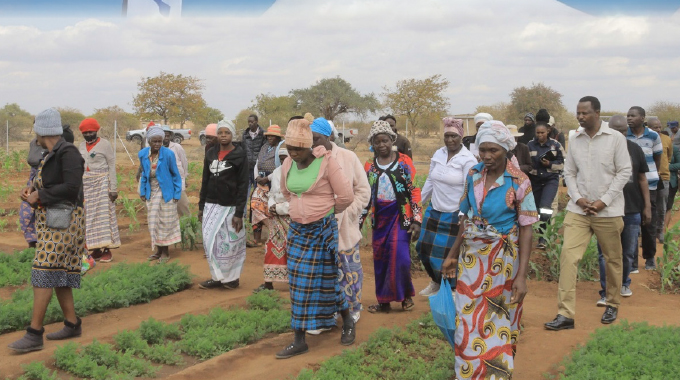
Thupeyo Muleya
ZIMBABWEANS gathered in Maphisa, in Matobo district, last week with a deep sense of pride and reflection as the country marked 46 years of independence.
There was celebration in the air, but also a quieter, more meaningful story unfolding — one about how freedom is being measured not only in speeches and ceremonies, but in real, touchable projects that are changing everyday life.
Authorities in Matabeleland South used the occasion to showcase these dividends of independence, pointing to developments that are steadily restoring hope, dignity and opportunity. Among the initiatives making the strongest impact is the rollout of Village Business Units, commonly known as VBUs, which are strengthening food security and boosting household incomes in Beitbridge and surrounding areas. These projects have transformed unused land into productive spaces and have turned ordinary villagers into active participants in the economy.
Over the past few years, the Government and its partners have deliberately mobilised resources to shield citizens from the harsh effects of drought. This has been especially critical in semi arid regions like Beitbridge, where climate change has disrupted rainfall patterns, weakened rain fed agriculture and left many families vulnerable.
It is within this difficult reality that the nationwide introduction of VBUs by the Second Republic has proved to be a turning point. What began as an intervention has grown into a practical solution that encourages self reliance while restoring confidence in rural communities.
In Beitbridge, the programme has spread across 15 rural wards and has recorded notable success in tackling food and nutrition challenges. At the same time, it has opened steady income streams for households that previously depended on unreliable harvests or external aid.
A typical Village Business Unit operates as a community based, commercially run enterprise centred on agricultural production. These projects often combine horticulture with livestock, allowing communities to diversify and reduce risk while using shared resources efficiently.
By promoting sustainable agriculture and entrepreneurship at grassroots level, VBUs are narrowing the long standing economic gap between rural and urban areas. Villages are no longer seen only as places of need, but as centres of production and opportunity.
Since the programme began, food availability and access have improved significantly, enabling households to meet their nutritional needs with consistency. More importantly, VBUs have turned villagers into small scale entrepreneurs who now supply local markets, schools and hospitals with fresh produce, earning income even during dry seasons.
“We are happy with the progress on high impact projects here. Last year in November, I visited Matabeleland South to assess the state of these projects and it is pleasing to note the impact of the Village Business Units which started off in the Mokorokoro area of Mangwe district.
“We saw it surviving and we made recommendations on what needs to be done including developing more dams and water bodies in the province. We have also seen agriculture projects especially in the citrus projects in Beitbridge district”.
“Our own people are coming in and we want to see more villagers embracing citrus productions considering that Beitbridge has a big Special Economic Zone. The villagers should be out growers,” said Vice President Constantino Chiwenga in an interview during his recent visit to Beitbridge.
He added that Matabeleland South is blessed with good soils and said Government will continue implementing programmes aimed at restoring the province’s agricultural strength, with the broader vision of making it a food producing region for both Zimbabwe and parts of Africa.
The VBU model closely reflects the independence theme of leaving no one and no place behind. It reinforces the idea that freedom must be felt in homes and communities, not only remembered during national events.
As Matabeleland South hosted the national independence celebrations at Maphisa, these projects stood quietly as lasting symbols of the Second Republic’s commitment to ensuring that the freedoms won in 1980 translate into economic empowerment, climate resilience and dignity for ordinary Zimbabweans.
Deputy Minister of Information, Publicity and Broadcasting Services, Dr Omphile Marupi, echoed the same message during a recent media tour of high impact projects in the province, saying steady progress was being made in improving lives from the grassroots.
“This is a game changer, it brings water to communities with boreholes being solarised and communal farmers are now putting land to proper use,” said Dr Marupi.
He expressed satisfaction at the visible shift among communal farmers.
“We are happy to see that the communal farmers are taking this initiative seriously to change their lives at the household level. They have migrated from subsistence farming to market led agricultural production as you can see from the produce here. Issues of access to water for livestock and ordinary citizens have improved in most villages.
The VBU is benefiting dozens of families who are putting resources together to commercialise agriculture”.
With the programme focusing on drip irrigation systems and fishponds, Dr Marupi said communities are now enjoying consistent access to fresh produce, while reducing dependence on food supplies from other areas.
He added that most households participating in VBUs are generating meaningful income, allowing families to invest in their businesses, access credit and create local employment.
“These VBUs foster a sense of ownership and involvement, as beneficiaries are both shareholders and workers. This collaborative approach enables communities to manage and grow their businesses effectively,” said the Deputy Minister.
Beyond food production, VBUs are also helping to transfer skills, create jobs for young people and keep families together by reducing migration to urban centres in search of work.
In a province that gave the nation Father Zimbabwe, Dr Joshua Nkomo, and other distinguished leaders, the growth of new infrastructure and livelihoods signals a renewed chapter of development rooted in self reliance.
With boreholes, solar power and market links now in place, VBUs in Beitbridge are proving that independence is not only political. It is the ability of communities to feed themselves, earn an income and decide their own future.
For Mrs Pulisani Muleya of Ward 15 in the Tshamutswilikiti area, the impact of the project is personal and life changing. Through her involvement in the local VBU, she has managed to send her children to school and build a house.
She said that since their borehole was solarised and drip irrigation introduced, farmers can now produce cash crops throughout the year, no longer tied to uncertain rainfall.
“Households are experiencing improved financial stability, enabling them to invest in education, healthcare, and other essential needs,” said a traditional leader from Lutumba area, Mr Tshamano Mudau.
He noted that women are taking a leading role in the initiatives and encouraged more men to actively participate.
“Our project has 179 beneficiaries, mostly elderly women and we have been able to apply the knowledge we get here to set up small nutritional gardens at our homesteads. This is a good platform to learn from each other and we are getting increased agriculture extension services from the Government,” said Mrs Mazwipesa Ncube from Lutumba area.
In these villages and gardens, independence is no longer an abstract idea. It lives in watered fields, green crops and households that can finally plan for tomorrow with confidence rather than fear.