


 malvernmugadzikwa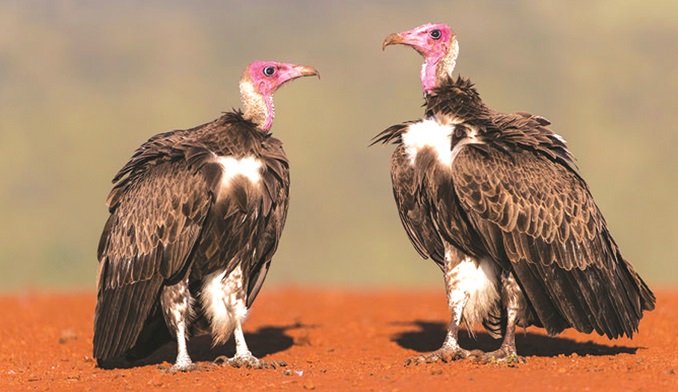
Tinashe Farawo
VULTURES play a critical role in maintaining sustainable and healthy ecosystems by preventing disease outbreaks.
These large birds are nature’s clean-up crew, efficiently consuming carcasses and organic waste, which helps prevent the spread of deadly diseases that could devastate wildlife, livestock and even human populations.
Zimbabwe joined the world in celebrating the International Vulture Awareness Day (IVAD) on September 7.
Vultures are the unsung heroes of our ecosystem.
The day is dedicated to raising awareness on the critical role vultures play in maintaining healthy ecosystems and the urgent need for their conservation.
IVAD is celebrated on the first Saturday of September each year.
Despite their importance, vulture populations continue to decline globally, with many species on the International Union for Conservation of Nature Red List now critically endangered due to threats like poisoning, habitat loss and hunting.
Seven of the nine vulture species in Southern Africa are considered threatened, with others on the verge of extinction.
Zimbabwe is home to six vulture species.
In the critically endangered category are white-backed vultures, white-headed vultures and hooded vultures.
The lappet-faced vulture is endangered, while the cape vulture is vulnerable.
We do have vagrant species, which are the Egyptian vulture and Ruppell’s vulture.
These are rare and incidental in Zimbabwe.
None of the species are doing well, except the palm-nut vulture, which is the least concern but has isolated small populations in the Eastern Highlands.
According to the Red List index for vultures in Africa, there has been a steady and continued decline in the status of vultures.
The hooded vulture, which we have in Zimbabwe, has declined by an average of 62 percent across Africa over the past four decades.
Key threats to vultures are anthropogenic factors that include poisoning, both intentional (by poachers to avoid detection) and unintentional (through poison-laced carcasses meant for livestock predators).
Market surveys done in Zimbabwe in 2022 by the BirdLife Zimbabwe organisation revealed that the use of vultures and their parts in traditional medicine (muti) is contributing to 27 percent of vulture deaths.
Vultures are often misunderstood and underappreciated, but they are essential for maintaining healthy ecosystems by consuming carcasses and organic waste, which helps prevent the spread of diseases.
IVAD aims to highlight their importance and promote conservation efforts.
We encourage communities and organisations to participate in activities that raise awareness and support vulture conservation.
Myths and misconceptions about vultures have resulted in negative perceptions of these birds.
This has resulted in their importance as nature’s cleaners and ecosystem guardians being overlooked.
It is important to note that there is a need to understand and appreciate the vital role vultures play in maintaining healthy ecosystems and preventing the spread of diseases.
Some common myths are that vultures are dirty, they spread diseases and are harmful to the environment. This is not true.
Vultures are actually nature’s clean-up crew and they play a crucial role in maintaining healthy ecosystems.
By consuming carcasses, they prevent the spread of diseases such as anthrax and rabies, which could otherwise devastate wildlife, livestock and human populations. They help recycle nutrients back into the environment.
Ongoing research on vultures in Zimbabwe has provided valuable insights into their behaviour, ecology and population dynamics.
Studies on vulture movements, nesting habits and foraging behaviours have informed conservation strategies and helped identify key areas for intervention.
In Zimbabwe, vultures are accorded significant protection due to their critical ecological role and the severe threats they face.
Specially Protected Species include vultures, which are listed under the Sixth Schedule of the Zimbabwe Parks and Wildlife Act (Chapter 20:14) to strengthen their protection.
The country has an active Vulture Action Plan being implemented through the establishment of Vulture Safe Zones by BirdLife Zimbabwe in Gwayi and the Save Valley Conservancy.
These zones involve local communities forming vulture support groups.
Efforts are made to educate farmers, traditional healers and the general public on the importance of vultures to healthy ecosystems and debunk some common myths, as well as reveal the truths about these fascinating birds.
This includes addressing the belief-based use of vulture parts and promoting sustainable alternatives.
We have organisations such as the Victoria Falls Wildlife Trust actively involved in research and rehabilitation efforts to increase vulture populations, particularly around Victoria Falls.
Let us renew our commitment to safeguarding these magnificent birds and ensuring their continued presence in Zimbabwe’s ecosystems.
By raising awareness, addressing threats and supporting conservation efforts, we can secure a brighter future for vultures and promote a healthy environment for all species to thrive.
Together, let us celebrate and protect the vital role that vultures play in our natural world.
Tinashe Farawo is the spokesperson for the Zimbabwe Parks and Wildlife Management Authority.


 Online Reporter