


 Online Reporter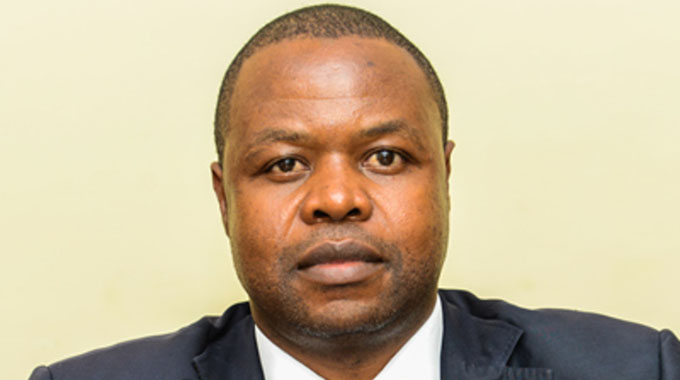
Africa Business Insights
Stephene Chikozho
“We are flooded with speeches about ownership — streamed on platforms we do not own, powered by devices we did not build, backed by sponsors we will never meet. Africa does not need more influencers; it needs more industrialists.”
WE are drowning in inspiration but starving for impact.
We are told we can change the continent with a microphone, a viral tweet or a slick podcast. But, while we are busy curating our “African Renaissance” social media posts, we are ignoring the real revolution: the roar of machinery on factory floors, not the echo of digital media.
Some revolutions are televised.
Others hum quietly from the back of an industrial park. Right now, across Africa, there is a growing chorus of voices preaching empowerment. They arrive daily, wrapped in pixels and praise, served via motivational reels and high-octane podcasts.
The message? Africa must rise. Africa must dream. Africa must speak. But here is the uncomfortable truth: perhaps Africa does not need more voices. It needs more industries.
We are flooded with speeches about ownership — streamed on platforms we do not own, powered by devices we did not build, backed by sponsors we will never meet. Africa does not need more influencers; it needs more industrialists.
The illusion of digital liberation
Yes, platforms amplify African voices.
But whose platforms? Built in Silicon Valley. Hosted in Europe. Monetised by Western algorithms. We preach sovereignty while renting digital real estate from those who profit from our “engagement”. We trade raw potential for retweets.
The echo chamber grows louder, but factories remain silent. We mistake noise for nation-building. In Seoul, they built chips. In Shenzhen, they built smartphones. In Stuttgart, they built engines. And in Addis or Accra or Bulawayo? We build hashtags.
Let us get something straight: Likes do not circulate capital. Retweets will not feed cities. Podcasts do not power ports.
The real revolution is industrial
There is a seductive comfort in content creation. It requires little infrastructure, less accountability and delivers fast dopamine.
But, while we record our opinions in echo chambers, foreign factories are processing our cocoa, assembling our minerals, printing our textiles and selling them back to us — at five times the price. We grow the raw materials. Others grow the gross domestic product (GDP). Until we can own what we produce, Africa will remain a tenant on its own land — renting inspiration while exporting opportunity.
Consider history
South Korea — 1950s: a broken, war-ravaged state. Today? A tech giant. Why? Heavy investment in local manufacturing.
Germany — When global supply chains froze during Covid-19, it did not beg for medicine. It produced it.
China — Three decades ago, it was still referred to as “developing”. Now, it bends global markets — not with its words, but with its factories.
Africa contributes just 3 percent of global manufacturing output. That is not just a development metric. It is a red alert.
If you want to build the continent, build something real. Forget the TED Talk. Build a textile mill in Arusha. Forget the merchandise. Build a packaging plant in Lusaka. Forget the fire tweets. Build a battery assembly line in Dakar. Because when global shocks hit — when ships stop sailing and planes stop flying — Africa must not be caught scrolling through slogans. We need local capacity. Local ownership. Local resilience.
We cannot hashtag our way to industrial power. Empowerment without infrastructure is fiction. Sovereignty without supply chains is self-deception. Yes, conversations matter, but without production, they are just echoes.
Do not tell us you want to “inspire the youth” while importing their sneakers, streaming their stories on Western platforms and outsourcing the very jobs they desperately need.
Stop clapping for factories built in foreign countries. Start funding the ones down the road. The most revolutionary thing you can do for Africa today is not to go viral.
It is to build something that will outlive your personal brand. So, let me ask you, straight: You say you want to change Africa? Then stop talking. Start building.
Stephene Chikozho is the chief executive officer of Africa Business Inc. You can follow him on social media (LinkedIn) WhatsApp +263772409651 or email [email protected]


 Bongani Ndlovu
 Online Reporter