

 Online Reporter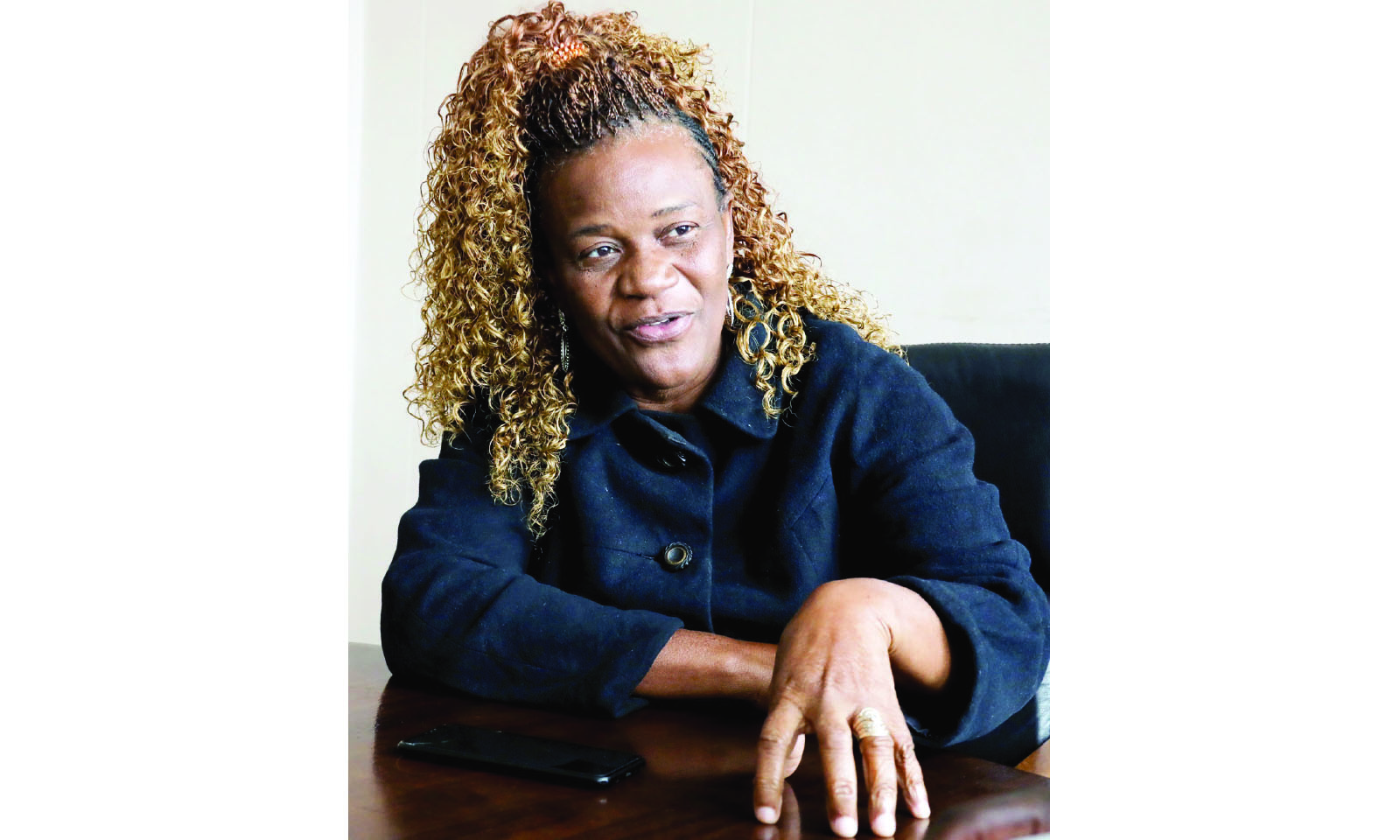
Gibson Mhaka
Zimpapers Politics Hub
AS Zimbabwe prepares to commemorate Heroes Day on August 11, a powerful voice is emerging from the ranks of the country’s liberation struggle veterans. Cde Happiness Sibanda, a female veteran and ZANU PF Central Committee member, is spearheading an impassioned call for the equitable recognition of female freedom fighters.
In a recent interview, Cde Sibanda, a surviving member of the famed Light Machine Gun (LMG) choir, shared her personal journey, having joined the struggle at the tender age of 14 in February 1977.
Formed by ZAPU leader and late Vice President Dr Joshua Nkomo, the LMG choir was a driving force of the struggle as they lifted the spirits of freedom fighters through songs.
Cde Sibanda highlighted that many women ex-combatants faced unique challenges that have been largely overlooked in the national narrative. These challenges include pervasive gender stereotypes, significant hurdles in accessing economic opportunities, and a stark lack of the recognition enjoyed by their male counterparts. Her advocacy aims to ensure the sacrifices and contributions of these courageous women are fully acknowledged and integrated into the nation’s history.
In an effort to rectify this historical oversight, Cde Sibanda is actively identifying unsung female war veterans who have not received due benefits despite their roles.
“I am now spearheading the process of identifying all female war veterans because I know them. It’s just that the process is slow, but as I speak, we have identified some of them.
“So far, I have identified about 15 female war veterans from Ntabazinduna and Insuza under Umguza District.
“If you meet those I have identified, it’s so pathetic; they are down, struggling, and living in poverty.
“Many did not return to school after demobilisation, opting for marriage, which further limited their opportunities,” she said.
She said despite their critical roles in the fight for independence, stories of women ex-combatants have not been fully celebrated.
“I believe the person who should be recognised for more for liberating the country and bringing Zimbabwe’s Independence is the girl child.”
Drawing parallels between the traditional protective instincts towards girls and the unique vulnerabilities faced by women during conflict, Cde Sibanda said female war veterans are justified to advocate for differentiated recognition.
Female experiences, marked by gender-specific hardships are often overlooked in the broader narrative, necessitating equitable acknowledgment alongside their male counterparts.
Cde Sibanda’s push highlights a critical gap in fully understanding and honouring the diverse sacrifices made during the liberation struggle.
“This is because our nature as women was not conducive to the harsh conditions, that’s why any parent with girl children provides them with more security.
“So, as female war veterans, there is a great need for us to be recognised just like our male counterparts, because of the unique suffering we endured.
“Men’s bodies are strong and more suited for those difficult exercises and enduring a lot, unlike us women,” she said.
She painted a grim picture of the long-term consequences of the war on female combatants’ health.
“There was no sanitary pads, but also, because of the exercises we were doing, we stopped menstruating. All the girls stopped menstruating because of the type of exercises we were doing in the morning. We all ceased being ‘normal women.’
“To make matters worse, do you know that most of our girls from that time were not able to give birth due to the wartime experiences?
“They became barren forever because of the conditions we lived under and the hard exercises they endured.
“We also easily became ill, and it’s unfortunate that it’s not well-documented, but more women died compared to men.
“That’s why I’m saying when helping war veterans, I’m of the opinion that a bigger share should be given to female war veterans,” she explained.
Cde Sibanda stated that while the Government was assisting them, she felt there should be differences in the support they receive.
“We believe more should be done for us as women,” she said.
She highlighted the disparity in post-independence benefits as another critical concern.
“For example, when it comes to benefiting from resources like farms, female war veterans do not have those farms to this day. If you try to count them, you will find that out of 10 beneficiaries, perhaps only two are women.
“Many male war veterans are benefiting at the expense of us female war veterans.
“The challenge stems from the long-held notion that the well-known fighters were men, rather than women.
“Whenever people talk about war veterans, they quickly think of males, and consequently, we as female war veterans are often looked down upon,” she explained.
Cde Sibanda insisted on parity in recognition and resources.
“Female war veterans did the same as male veterans, but when it comes to recognition, it is primarily men who are recognised. As female war veterans who went to war, we want to be given the same recognition accorded to male war veterans.
“We need those farms which are being given to male war veterans. For example, if there are 10 tractors, five should be for females and the other five for males.”



