

 Online Reporter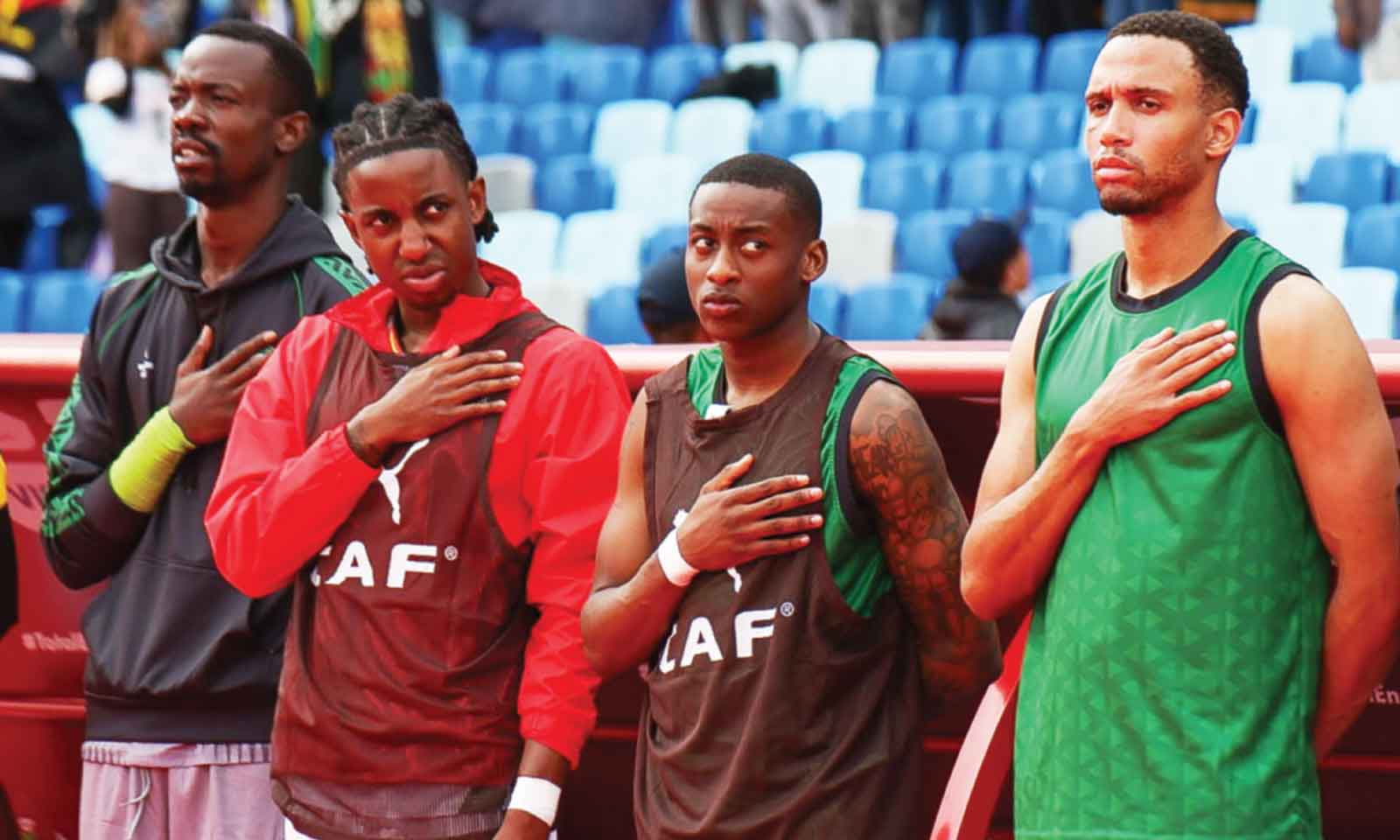
Howard Musonza in MARRAKECH, Morocco
THE hardest part of this exit is not that Zimbabwe are going home.
It is that they arrived at the edge and stood there long enough to see what was on the other side.
They were not passengers.
They were not overwhelmed.
They were not clinging to hope and praying for mercy.
They played. They scored. They competed. And still, the tournament ended here.
This was an AFCON campaign that refused to fit into old labels. Zimbabwe did not drift through games or survive on moments. They took the lead against Egypt. They chased Angola until the draw felt insufficient. They matched South Africa stride for stride in a derby shaped by proximity, memory and consequence.
Across three matches, the Warriors scored every time. They came back when they fell behind. They carried belief deep into games that should have broken them earlier.
That matters.
What also matters is that mistakes followed them all the way to the exit.
Against Egypt, control slipped late. Against Angola, chances piled up without a finish. Against South Africa, belief rose twice and was answered twice before finally being undone by one moment that decided everything.
This is where most post-mortems turn sharp. Where fingers point. Where names are isolated and frozen inside single decisions.
This exit does not need that.
It needs honesty.
Zimbabwe did not fail because they were unprepared. They fell because football punishes teams that are still learning how to manage moments when belief collides with pressure.
The weight of that truth landed on the captain.
Marvelous Nakamba did not reach for cover. He did not dilute responsibility or hide behind collective language. He stepped forward and spoke plainly.
“I just want to say sorry. I just have to man up and accept the mistake that I made. And I’m sorry to the country, to my teammates, to everyone involved.”
There was no attempt to soften it.
“We lose as a team. Hopefully we soldier on and learn from the mistakes. It’s life.”
That word surfaced again and again. Life. Not injustice. Not bad luck. Just acceptance.
Nakamba could have deflected. He did not.
“The future is bright,” he said. “The guys showed that we can do something. If you check the youngsters, they were on it. They gave everything.”
That was not empty reassurance.
This tournament revealed something Zimbabwe have often lacked at this stage, depth in belief. Young players did not shrink when the stakes rose. They asked for the ball. They made mistakes. They made things happen.
No performance captured that more clearly than Tawanda Maswanhise’s night against South Africa.
Before the game, he spent long moments walking with Marian Marinica, the coach’s hand resting on his shoulder as they spoke.
Maswanhise had barely featured in the earlier matches. There had been noise around his absence. Calls for him. Doubt about timing.
Marinica trusted the moment.
“He has a bright future,” the coach said later. “The boy is starting to mature now, and he starts becoming mentally strong and understanding that actually he has to work hard, and he has to basically put into practice what we try to do in training.”
There was intent behind the decision.
“We wanted him to be a little bit of a hidden gem for this match. We needed something fresh. Something different.”
Maswanhise delivered. He scored. He hit the post. He forced defenders into mistakes. On another night, the story bends differently.
“He needs to play at a much higher level than he actually plays at the moment,” Marinica said. “If he does that, he will be one of the stars of Zimbabwe.”
This is where the conversation must move, away from blame and toward structure.
Zimbabwe’s problem at this AFCON was not courage. It was not in shape. It was not belief. It lived in the narrow space between performance and control, between creating chances and closing games.
Marinica has been in charge for just over a month. He inherited a side that had not scored in four matches. He leaves one that found the net every time it played in Morocco.
“I’m proud,” he said. “In a very short period of time we managed to change a team from not scoring any goals into a team that scores in every match and creates lots of chances.”
Pride and disappointment sit together in that assessment.
“Probably if you look at every single match, we could have won. But somehow individual mistakes cost us.”
Then came the line that should frame the days ahead.
“People shouldn’t be hard on the players that make mistakes. Everyone in their daily life makes mistakes.”
At this level, the difference is visibility. Errors live on screens and replays. They follow players home.
So what now?
This team should not be dismantled. It should not be shamed into silence. It should not be frozen inside regret.
There is a core here. Tawanda Maswanhise. Chirewa. Tadiwa Chakuchichi. Isheanesu Mauchi. Others are still emerging at home. There are experienced heads who steadied this group when it wavered. There is a structure beginning to take shape.
“These players have to be the backbone of CHAN, the backbone of COSAFA, and the backbone of the next big team,” Marinica said. “We need to start building from that.”
That is the responsibility now.
Not to rewrite Morocco as a failure.
Not to pretend progress arrives on schedule.
But to accept that Zimbabwe reached the edge, felt its weight, and learned where the next step must come from.
They did not leave AFCON broken.
They left it unfinished. And that, for once, feels like a beginning rather than an ending.


If it’s any consolation, let’s leave the challenges of 2025 behind and look forward to a peaceful close to the year and a prosperous 2026. Wishing everyone a happy end to 2025 and a prosperous 2026! 💔
The Warriors expected too much. They were the only team that failed to sing their national anthem and the football gods turned their backs on them. If truth be told, the Warriors have never fancied singing our national anthem since independence and have not won anything substantial as a result. It’s actually very embarassing.