

 Online Reporter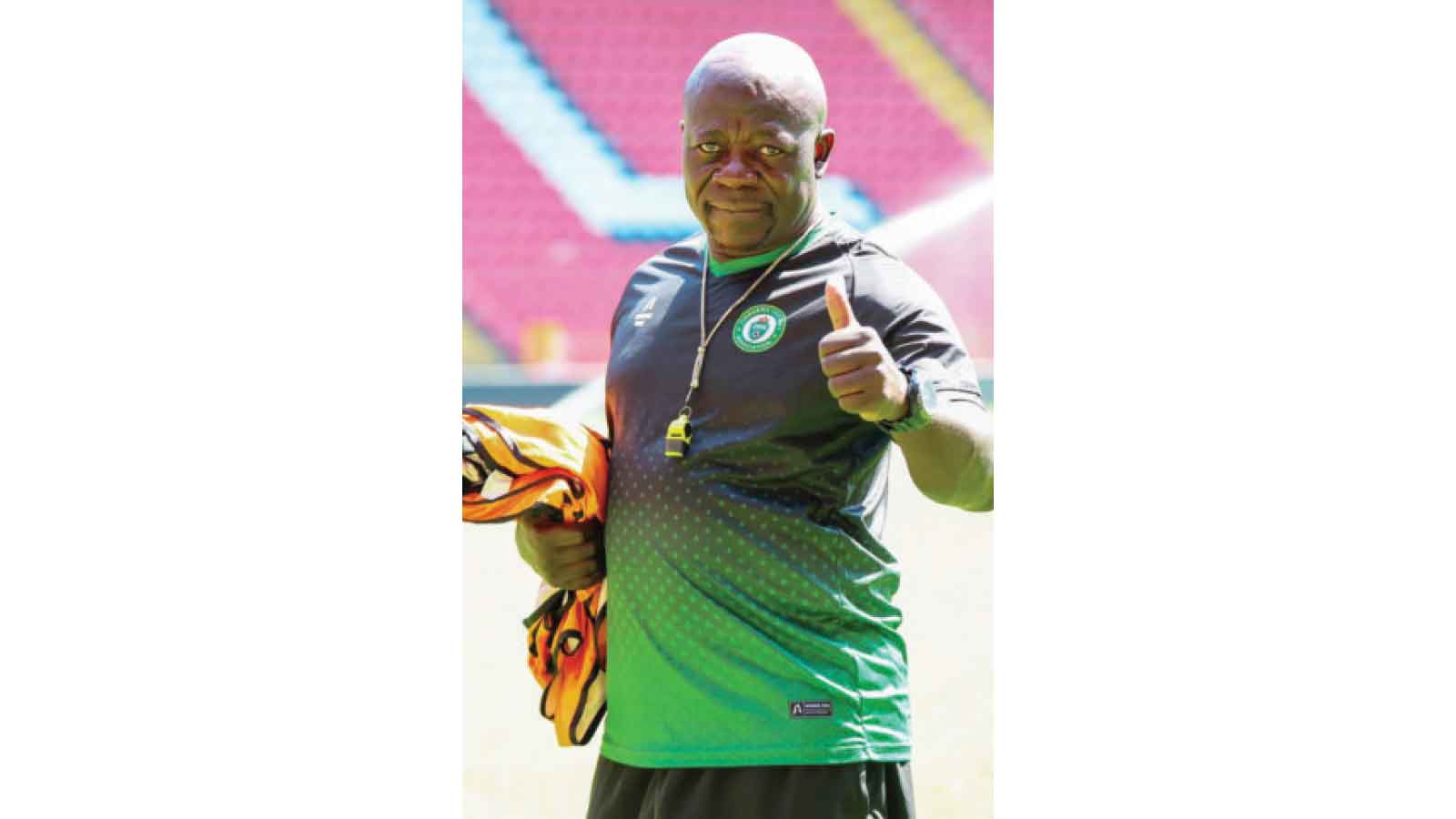
Petros Kausiyo in LONDON, England
KAITANO Tembo believes the Warriors got a hard lesson in what international football demands after admitting Zimbabwe struggled to match Nigeria’s intensity in their 2-0 Unity Cup semi-final defeat.
The interim coach felt his side had good spells at The Valley Stadium but said they could not sustain them, especially when the game became more physical and demanding.
For Tembo, the bigger issue was not simply losing to Nigeria. It was how the Warriors faded in key moments.
“We played against a team that was probably well prepared physically. They were better in terms of that,’’ Tembo said.
“I think we had moments but in those, we didn’t really maintain them, especially our physical intensity. We didn’t press them consistently and at some point we were forced to drop off and I thought that had to do with our physical condition.
“If you look at it, most of their players are playing in the championship, and some of them are playing in Europe, so they just finished now, whereas some of our players had already finished.”
He also pointed to the logistical challenges that always haunts African teams with players often travelling in batches to training camps.
The Warriors were still trooping in on the eve of the start of the Unity Cup with such players like Durban City’s Emmanuel Jalai, versatile Udinese man Jordan Zemura and forward Daniel Msendami, who won the South African Premiership title with Orlando Pirates last Sunday, arriving just hours before the match.
Tanzania-based striker Prince Dube was still expected in London yesterday and can now only feature in the third-place play-off.
“Logistically it was always going to be a challenge in terms of getting players here because of other matters like visas, but nevertheless I thought our boys really fared well.
“In terms of how we managed to control the game in certain moments, I think with a little bit of better decision-making and better quality in the final third, I think we created some good opportunities, good moments that we could have taken advantage of.
“But we just lacked that cutting edge in the final third.”
The former Zimbabwe, Dynamos, Seven Stars and SuperSport United centre-back also felt his rearguard could have done better to close in on the Nigerians and avoid the two goals that debutant ZPC Kariba goalkeeper Future Sibanda conceded in each half.
“Defensively we could have applied pressure in terms of giving the opponent time and space on the ball in certain areas, especially in dangerous areas.
“If you look the first goal, we had numbers behind the ball, we had the opportunity to take charge of that situation and we didn’t.
“The second goal was more like a transition where we had an opportunity to go forward, and when we lost the ball, we didn’t apply the first defender in terms of preventing that forward pass from the opponent, and I think those are the moments that we could do better when dealing with such situations, especially at international level.”
With one more game coming — the third-place play-off against either of Jamaica’s Reggae Boyz or India, Tembo has insisted that he will give more rookie players a run, as part of a broader objective to identity and build on a stronger base for the Warriors.
Some of the Warriors players, who include fringe Brentford goalkeeper Marley Tavaziva and the regular midfield pair of skipper Marvelous Nakamba and Tawanda Chirewa have hardly seen game time at club level in the just-ended season.
Despite being loaned to Barnsley by relegated English Premiership side Wolves, Chirewa whose season was blighted by injuries, hardly played a competitive game ahead of the Unity Cup in 2026. Similarly, Nakamba rarely featured for Sheffield Wednesday, whom he joined on a free transfer before the Owls released him just six months into his stay at the club.
There have also been some Diaspora-based players who have had to be recommended to the senior team and Tembo believes that it is only at such platforms like the Unity Cup where they can gamble and give them a run and not when the real deal begins in September with the Africa Cup of Nations qualifiers.
Zimbabwe are bidding to be among the cast of 24 teams who will be at the 2027 Pamoja Nations Cup in Kenya, Uganda and Tanzania.
But the Warriors would have to negotiate their way in a cagey qualification group featuring DR Congo, Equatorial Guinea and Sierra Leone. It is against the need to ensure adequate preparations that ZIFA registered the Warriors for the Unity Cup, and Tembo acknowledged that their participation here is helping to build the player base which the Warriors will need for the AFCON marathon.
“It is important for us to have an idea of the young players that we have. We need to create a huge database in terms of profiling players for the national team because we have situations where players get injured and we need to have an idea of who is going to replace who?
“Jalai came in late because his league in South Africa finished late and I thought Sean Fusire, who hasn’t really played a full game for the Warriors, did very well at right back in the 90 minutes.
“So, we now know that we can have Sean as an option at right back’’.
He was also impressed by the qualities he saw in Shane Marodza and Jonah Fabisch despite the game ending on a losing cause.
“I was also quite impressed with Shane Marodza. He hasn’t really played for the national team, but I liked his physique, his aggression and his technique on the ball in our build-up moments, so those are the things we need to try and look at.
“I thought only offensively we need to try and get more options apart from Maswanhise, who could not be here for reasons I cannot disclose, but which are understandable.
“These games are quite important and players like Abubakr, need to quickly adapt because games at this level are much quicker, as well as Mongameli Tshuma, he needs to use his technique to try and create space and in terms of his physical contact, it can be a little bit of a challenge, but it can be an opportunity for such players to adapt to international football,’’ added Tembo.



