daniel chigunwe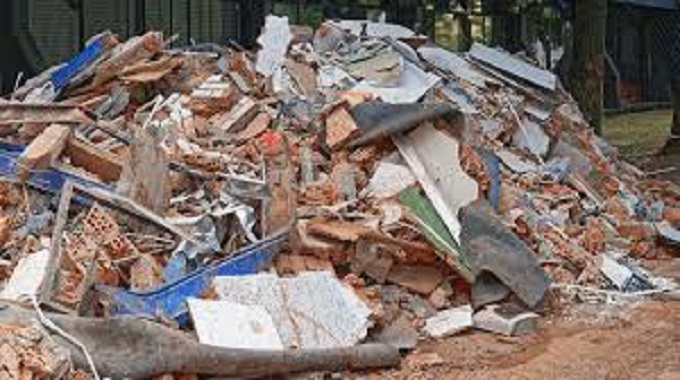
Engineering and Construction Matters With Innocent Chatikobo
Waste is defined as unwanted or unusable materials.
Construction waste refers to the materials that are discarded during the construction, renovation or demolition of structures such as buildings, bridges and roads.
It also refers to materials that are surplus to requirements (as a result of over-ordering or inaccurate estimating.
In the engineering sector, a lot of hazardous waste is produced e.g. oils, contaminated packaging, and solvent waste. Hazardous waste covers anything that has the potential to cause harm to the environment and human life.
Forms of waste
Waste can be found in different forms:
Solid waste e.g. debris
Liquid waste e.g. oil spills, chemicals
Air pollutants e.g. poisonous gases
Types of waste
Based on the type of material, construction waste can be classified into the following types :
Concrete, bricks, tiles and ceramics
Wood, glass and plastic
Bituminous mixtures, coal tar and tar
Metallic waste ( including electrical wires and cable) — copper, brass, bronze, lead, iron, steel, tin etc
Soil, contaminated soil, stones and dredging spoil
Gypsum
Insulation, fibreglass and asbestos
Cement — unused and unset cement
Paints and varnishes — cans, remains, organic solvents, etc
Adhesives and sealants
E-waste which includes any discarded electronic devices such as computers, laptops, smartphones, televisions, printers and other electronic appliances
Effects of waste
Waste is not a desirable thing on the environment and people
Causes spread of diseases
Causes stench and odours
Ugliness of landscape
Contamination of soil, water and air
Endangers the health of humans and other living organisms
Damage to plants and natural resources
Waste management
Construction is a booming industry which continues to grow. As the demand for construction grows, the volume of waste and debris needs to be managed.
Construction sites sometimes can become very messy which may affect the productivity of workers therefore it’s important to manage waste so as to maintain order and keep everyone focused on their tasks. Waste management is important for a number of reasons:
Avoids accidents — correct disposal of waste and debris. Know those items that are hazardous in events of fire and which ones can cause harm of they accidentally drop into machinery.
Reduces costs — decreases the overall costs for disposals.
Maintenance of a healthy working environment — make sure there are enough equipment for moving dirt and debris such as wheelbarrows. Also have waste bins so employees can dispose of their trash and maintain a healthy environment.
Keeps track of materials — proper waste management ensures there is no needed materials that are mistakenly thrown away.
Environmental friendliness —proper management ensures environmental friendliness and avoids affecting the local ecosystem e.g. by polluting waterways or contributing to air pollution.
The waste should be managed properly and comprehensive plans should be made to handle the wastes depending with the form and type of the waste
Proper disposal of waste —waste should be disposed of properly depending with the type of the waste.
There are different methods of dealing with waste
Burning — some wastes are burnt to eliminate them and also reduce their volume. One burning method is incineration
Burying — they can be disposed by extraction of pits and burying them there. We can also use landfills.
Some debris can also be disposed usefully eg use of demolition rubble for foundation slabs hardcore, blinding of structural columns, making wetlands and poorly drained areas more usable
Recycling — this includes repairing, re-using and re-purposing of waste. These are environmentally friendly, cost effective and beneficial ways of cutting down on waste. Metal waste can be picked up and sent for recycling to produce new metal that can be used to produce different components
Some hazardous waste goes through solvent extraction, washing and recycling, or used for waste to energy recovery
Engineers can help reduce the need for landfills while generating power by developing plants that can burn waste in a controlled manner and harness the energy released e.g. the Geo-Pomona waste management plant which aims to produce electricity from waste in Harare
Clean up the site regularly so that there is less debris.
Innocent Chatikobo is an engineer by profession with AtroServe Engineering Zimbabwe. He has extensive knowledge and experience in structural engineering and construction. For your comments, views, questions and feedback he can be contacted on the following platforms; Mobile: +263 777 950 224; +263 712 376 037; +263 782 502 732; Email: [email protected]; Like the Facebook page: AtroServe Engineering Zimbabwe Follow the Whatsapp Channel: AtroServe Engineering Zimbabwe



 Online Reporter