Online Reporter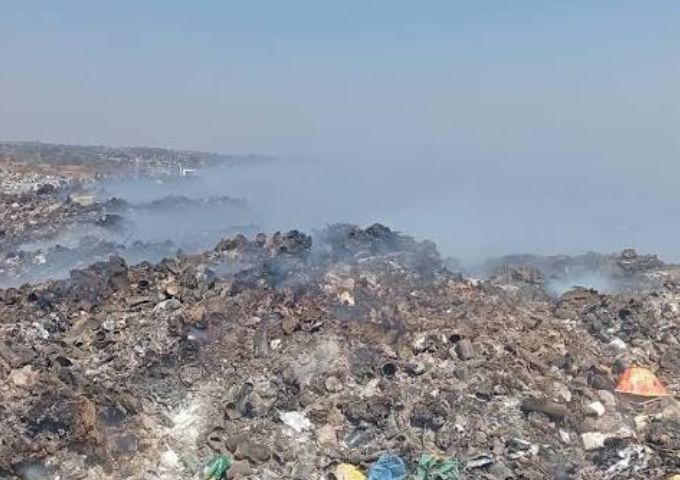
Sunday News Reporter
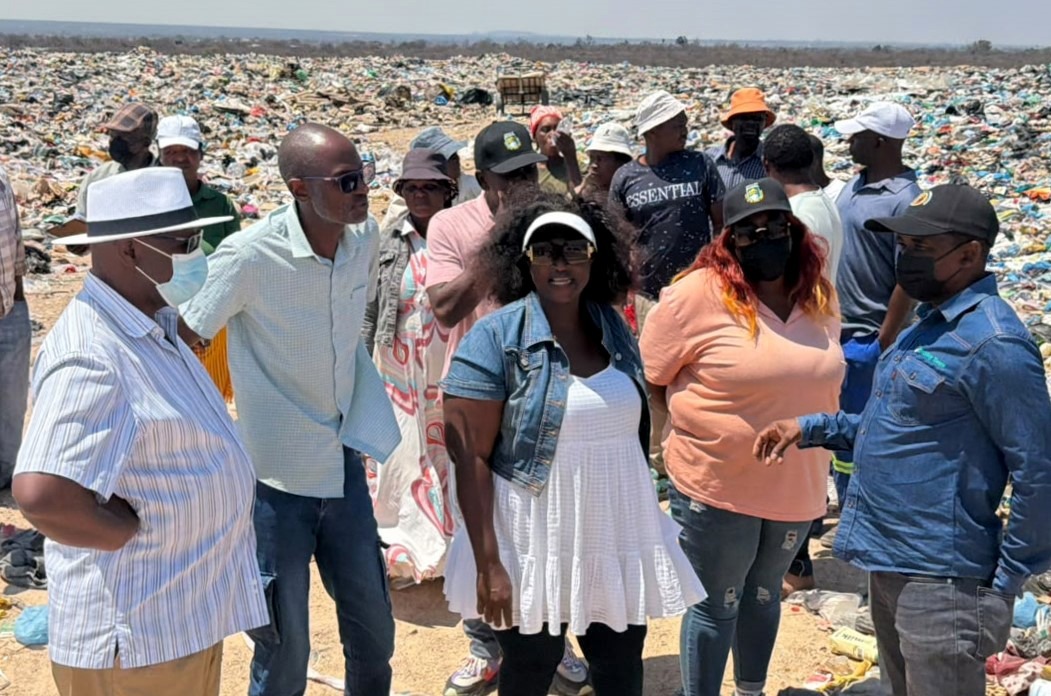
THE dust rose in thin clouds as a group of journalists walked across the Richmond Landfill that is commonly known as the Ngozi Mine dumpsite in Bulawayo.
Around them, heaps of discarded material marked the landscape, while questions about pollution, public health and responsibility followed the group as dozens of waste pickers swarm the area like bees guarding a beehive.
Chronicle and Sunday News Editor, Hatred Zenenga reflected on what the visit had revealed emphasising that seeing the landfill conditions transformed how media leaders view their gatekeeping responsibilities.
“The field engagement made us first-hand witnesses to the issues that are often reported in our papers. It is crucial for impactful reporting that gives marginalised communities a voice and captures their daily experiences.”
He emphasised the role of the media in spotlighting the issues that affect the environment and the people around.
“The media has a critical role to play in protecting the environment. We must go beyond reporting what we see and ask who is responsible, what risks communities face and what is being done to address them,” Mr Zenenga said after the media tour.
The tour, he said, highlighted a story about people living near environmental hazards, the handling of waste and the need for clear answers from authorities and businesses.
He called on journalists to listen to affected residents and present the facts without exaggeration or understating the challenges faced.
He said it is the duty of the media to make hidden environmental problems visible adding that a well-researched article or broadcast can explain how pollution affects people and ecosystems, track whether promised action takes place and give communities information they need to raise concerns while also highlighting solutions from safer waste management to stronger oversight rather than leaving communities with alarm alone.
Mr Zenenga said reporters must consult relevant experts and give those accused of wrongdoing a fair chance to respond.
“Accuracy matters: public trust is essential if coverage is to encourage meaningful action,” he said.
“At the end of the day we as journalists should carry away more than notes and photographs. We should carry a responsibility to keep asking questions after the cameras have been packed away.
The environment’s story should not end with this single visit. The media’s role is to keep it in view and to help ensure that those with the power to act do not look away,” said Mr Zenenga.