Online Reporter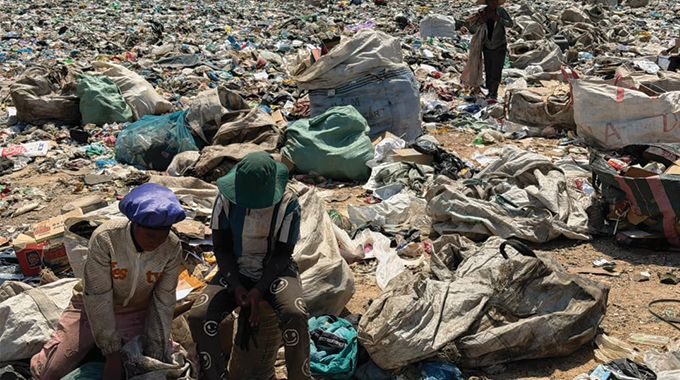
Sikhumbuzo Moyo, [email protected]
RESIDENTS of Bulawayo’s Richmond Landfill site, popularly known as Ngozi Mine, face a major turning point as the city moves to modernise waste management, with hopes for a cleaner environment tempered by concerns about the livelihoods of families who have depended on the dumpsite for years.
The planned takeover of waste recycling operations by Geo Pomona Waste Management Company is expected to bring a new approach to waste management at the site, offering an opportunity to improve environmental conditions for communities living around the landfill.
For residents of Ngozi Mine, however, the changes represent more than a shift in how waste is handled.
For some, the landfill has been home for decades and waste picking has become a source of livelihood, making their inclusion in the emerging waste-management system a key concern.
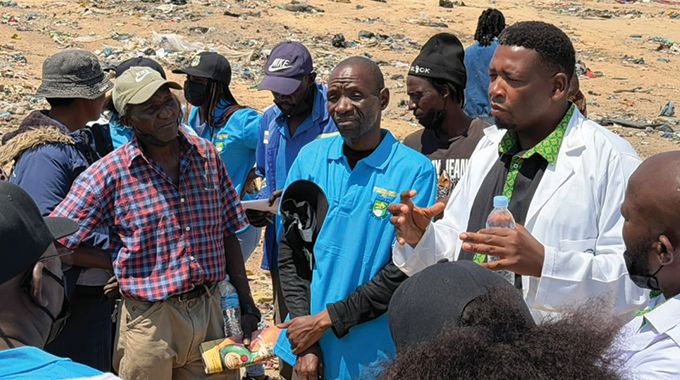
Speaking during a site visit by the Zimbabwe National Organisation of Associations and Residents Trusts (ZNOART), residents said they had no objection to Geo Pomona taking over recycling activities, but wanted those who had lived and worked at the landfill for years to be given first preference for employment.
Ms Limukani Sibanda, who has lived at the site since 1994, said waste picking was the only livelihood she had known for decades.
“I have been living here since 1994, I know no other home than this place. We have heard that a company called Geo Pomona is coming to take over the place, so our appeal to them is that they prioritise us when employing. We have the experience of picking waste,” she said.
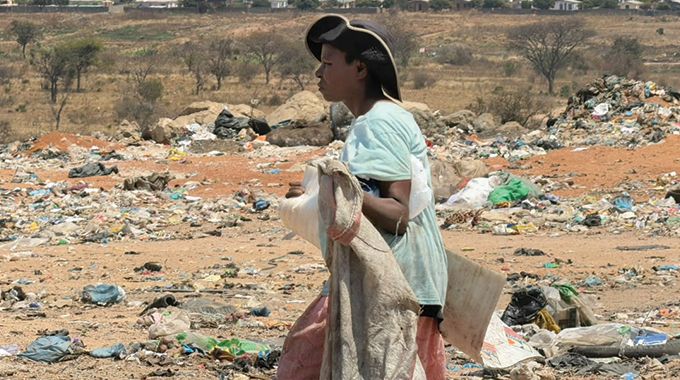
Her story illustrates the difficult balance facing the city — improving waste management and environmental conditions while ensuring that the people who have survived around the landfill are not left behind.
Ms Sibanda also raised accommodation concerns, saying residents were promised houses by the Bulawayo City Council in 2013 but had yet to receive them despite paying waiting-list fees.
“We were asked to deposit US$50 in 2013 and we were given stand numbers and every year we are renewing with council but our stands have not come out,” said Ms Sibanda.
Another resident, Mr Nicholas Mpala, said he welcomed the planned changes but also wanted the people already working at the landfill to benefit from the new opportunities.
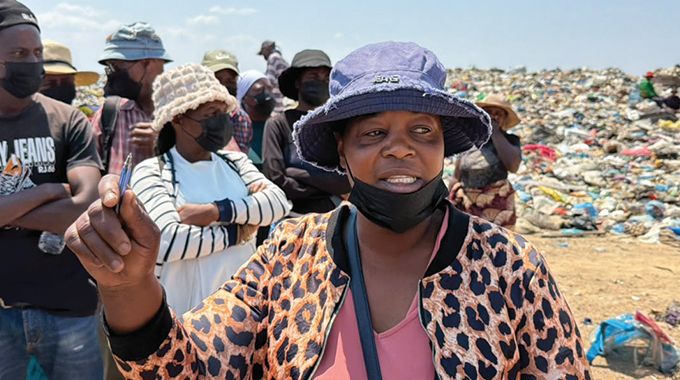
“We welcome this development but our appeal is to be given first priority in terms of employment,” he said.
Beyond the landfill itself, residents of surrounding communities say modernising waste management could bring much-needed relief from the environmental problems associated with the dumpsite.
Cowdray Park resident Mr Simbarashe Nyoni said smoke from the landfill had become a major concern for his family, claiming that his wife had developed asthma.
“My wife is now asthmatic largely as a result of inhaling smoke from the landfill. We wish that something is done urgently to ensure the environment is clean, my wife is now surviving through an inhaler. We came to Cowdray Park in 2001,” said Mr Nyoni.
Mr David Ndebele said affected Cowdray Park residents had recently petitioned the Ministry of Environment, Climate and Wildlife, with several Government agencies and the Bulawayo City Council copied in, calling for the landfill to be relocated.
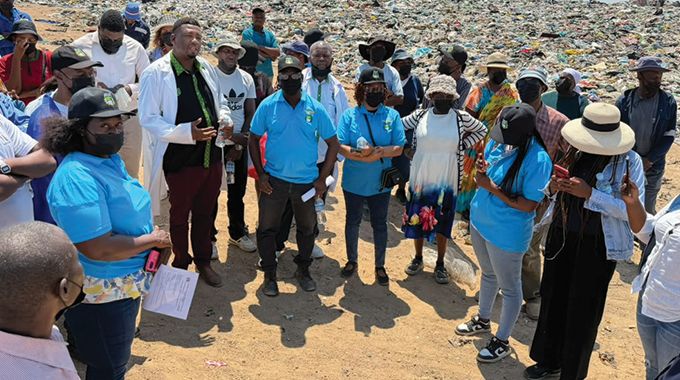
“We are happy that something is now being done concerning this place. Our petition was clear that the place be moved somewhere else. We also asked the Government to provide free Tuberculosis and other respiratory diseases testing and treatment,” said Mr Ndebele.
The concerns underline the wider public-health and environmental stakes surrounding the modernisation of waste management in Bulawayo.
For communities living around the landfill, an improved system could mean cleaner surroundings, reduced exposure to smoke and pollution and a safer living environment.
ZNOART national chairperson Mr Shalvar Chikomba said the organisation was concerned about the conditions at the landfill and surrounding communities, calling for a coordinated intervention involving Government, the city council and Geo Pomona.
“We are actually disturbed by the situation here. It is very disturbing to see how people are living here,” he said.
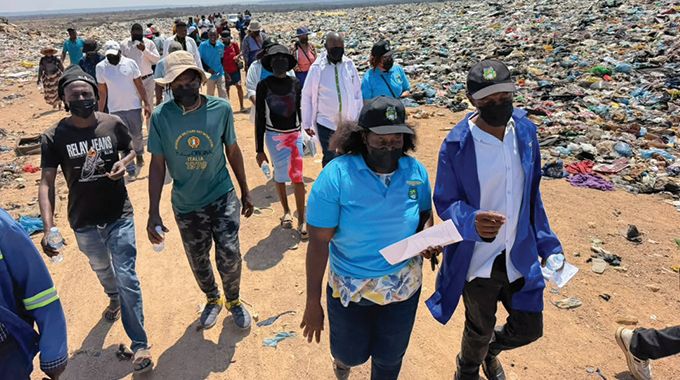
Mr Chikomba said residents should not simply be dismissed as squatters, arguing that they were Zimbabweans who deserved decent accommodation and a safe living environment.
“Some of my brothers and sisters whom I am seeing here have been called squatters, but it is inhumane to call another person a squatter. We are all Zimbabweans,” he said.
He said ZNOART had been engaging the Government over the plight of the residents and had also approached Geo Pomona to establish what would happen to people living at the landfill once the company commenced operations.
“We engaged Geo Pomona because we heard they are coming here. We wanted to know what would become of the people living here and the surrounding community,” said Mr Chikomba.
He said the company had indicated that people living at the landfill would be given first priority when employment opportunities arose.
For the residents, such assurances are significant because the coming changes could fundamentally alter the way they earn a living.
Mr Chikomba said residents had, however, raised the issue of accommodation, saying Government needed to ensure they were relocated to decent housing.
“The issue of shelter and the issue of jobs are the issues we need Government and the company which wants to come here to address,” he said.
“We welcome Government’s intervention, but that intervention has to go hand in hand with the Bulawayo City Council. They have to work together to bring a solution to what is happening here,” he said.
He also raised concerns over claims by some residents that they had previously paid money to the city council for stands but had not received the promised residential allocations.
“I heard one of the residents mentioning that BCC came and collected money to give them stands some time back, and up to now they were supposed to be given house numbers, but that money just went like that. It is a very sorry state,” he said.
Mr Chikomba said residents’ welfare should take precedence as authorities considered major development projects in the city.
He was particularly critical of calls for the construction of a stadium in Bulawayo while residents at Ngozi Mine continued to live in difficult conditions.
“If they want a stadium here, has it become so important that they cannot take care of Ngozi Mine residents? The priority should be the people,” he said.
“Everyone has a right to safe accommodation and clean air. You have heard someone mentioning TB, someone has asthma because of this place.”
Mr Chikomba said ZNOART would continue engaging relevant authorities over the plight of the residents. The planned transformation of the landfill, therefore, presents Bulawayo with an opportunity to address two longstanding challenges at once — modernising waste management and improving the lives of people who have lived and earned a living around the city’s waste stream for years.
For residents such as Ms Sibanda, the hope is that the new chapter will not simply mean the end of an old way of life, but a chance to become part of a cleaner, safer and more formal waste-management economy.