Online Reporter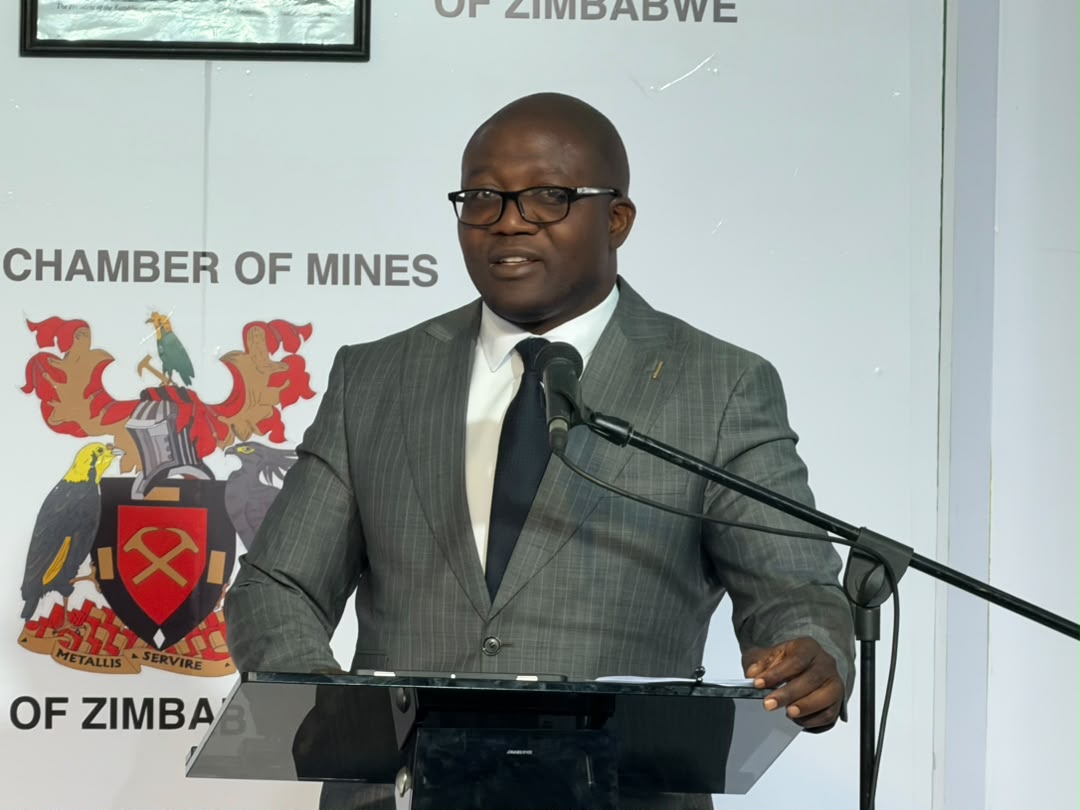
Nqobile Bhebhe [email protected]
Zimbabwe’s mining industry’s 85 percent local procurement spend presents a significant opportunity to deepen industrialisation, expand domestic manufacturing capacity and create jobs, Industry and Commerce Minister Nqobizitha Mangaliso Ndlovu has said.
Speaking during the Mine Entra Suppliers Symposium in Bulawayo, Minister Ndlovu said the sizeable proportion of mining inputs already being sourced locally should serve as a catalyst for strengthening the country’s industrial base rather than allowing value creation to leak to foreign economies.
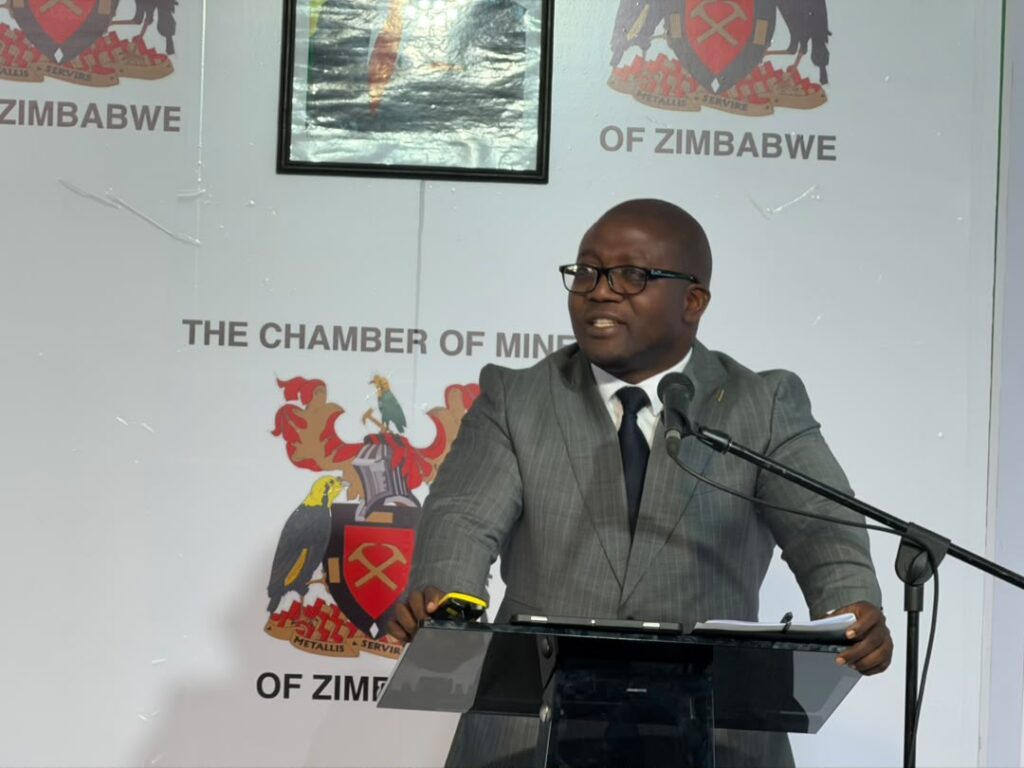
He said the country needed to ensure that a greater share of the products and technologies purchased by mining companies were manufactured domestically.
“For me this is a huge opportunity because 85% is going somewhere. It’s creating employment opportunities elsewhere,” said Minister Ndlovu.
He noted that many countries were benefiting from supplying advanced technologies to Zimbabwe, indicating the need for greater investment in local technological development and industrial upgrading.
“Some economies are investing in advanced technologies and we are importing those technologies. And I am not too sure if we are investing enough in even upgrading those technologies,” he said.
Minister Ndlovu said the procurement expenditure represented a strategic opportunity to grow local industries, enhance manufacturing competitiveness and develop stronger linkages between mining and the productive sectors of the economy.
“Again we believe that this 85% presents huge opportunities for us to strengthen our industrial capacity,” he said.
The Minister stressed to delegates that promoting local content required more than policy pronouncements, saying practical implementation mechanisms were essential if Zimbabwe was to unlock the full benefits of domestic procurement.
“Local content can remain as a talk show if we do not take practical steps of making sure that this is realised.”
He identified the lack of visibility of locally manufactured products as one of the major barriers limiting local procurement, saying buyers often struggled to identify domestic suppliers and their capabilities.
“The question is how do we make the products that are available visible for those who want to buy them.”
To address that challenge, Minister Ndlovu said Government, working with Buy Zimbabwe, had developed a digital platform that would connect buyers with local producers and improve market transparency.
“And I am able to say that as we proceed, as we progress, working with Buy Zimbabwe, we have developed a digital platform which has been going through tests because it involves people uploading their computational information.
“This platform will be available to those who want to procure to know what products are available where, who is selling what and at what price.”
He said increasing the uptake of locally manufactured inputs throughout industrial value chains would naturally improve companies’ local content thresholds while stimulating domestic production.
“If you are buying higher local content thresholds into your production processes, it also automatically upgrades your local content as a company.”
Minister Ndlovu said sustainable local content policies depend on building the capacity of domestic suppliers and ensuring they are easily identifiable by potential buyers.
“Local Content works when capability is visible, qualified and integrated into demand,” he said.
The Mine Entra Suppliers Symposium brought together Government, mining companies, manufacturers and suppliers to explore ways of strengthening local content and building stronger linkages within Zimbabwe’s mining value chain, as the country seeks to maximise value addition, industrialisation and employment creation from its mineral resources.