

 Online Reporter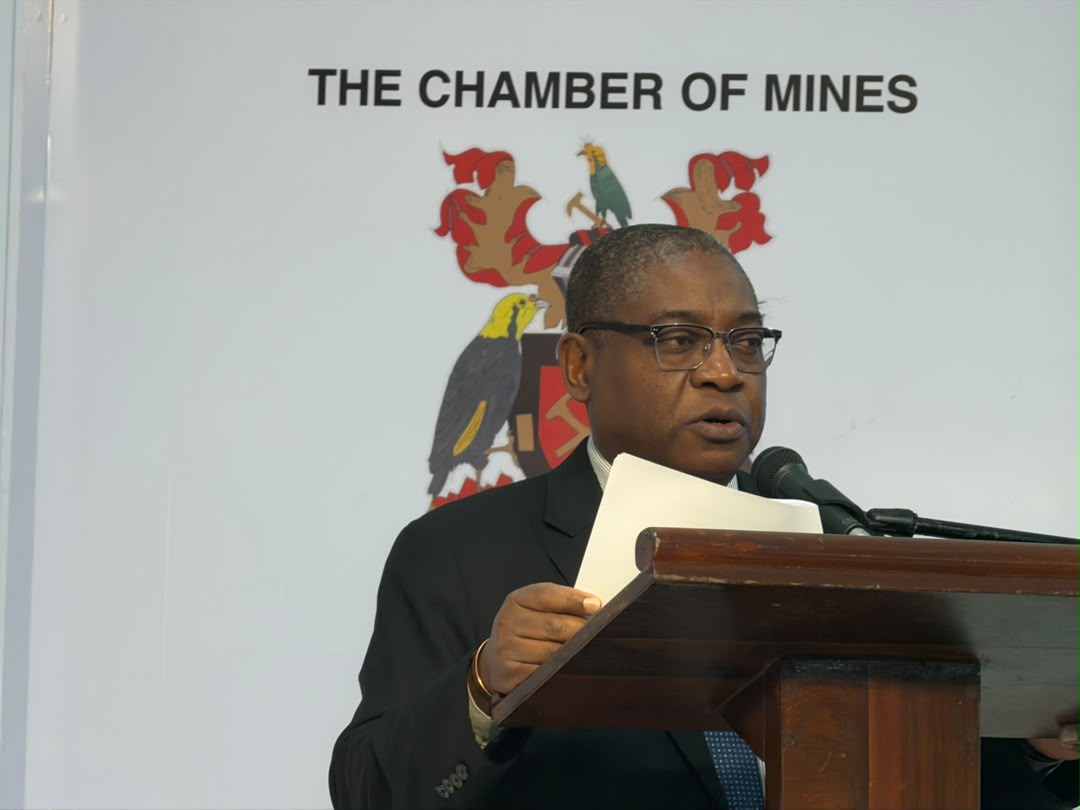
Judith Phiri [email protected]
THE Chamber of Mines of Zimbabwe has described mineral beneficiation and value addition as the critical bridge between the country’s mineral wealth and sustained national prosperity, saying increased local processing will drive industrialisation, exports and job creation.
Speaking at the Beneficiation and Value Addition Symposium at Mine Entra 2026, Chamber of Mines of Zimbabwe president Mr Fungai Makoni said the mining industry fully supported Government’s drive to maximise value from the country’s mineral resources.
He said beneficiation was not just a mining policy, but a broader economic development strategy aimed at strengthening industrial capacity and ensuring that Zimbabwe derives maximum benefits from its natural resources.
“We believe that beneficiation is not merely a mining policy, but also an industrialisation, export growth, job creation and ultimately a national development strategy,” said Mr Makoni.
He said Zimbabwe had a long history of beneficiation and value addition, with traditional minerals such as gold, iron and steel, nickel, ferrochrome and coal already supporting downstream manufacturing and the production of finished products.
“For a few new and emerging minerals such as PGMs and lithium, producers have embarked on key beneficiation milestones in line with agreed roadmaps with the Government,” he said.
Mr Makoni said the Chamber had remained actively engaged in advancing Government’s beneficiation agenda through policy advocacy, stakeholder engagement and promoting investment-friendly frameworks that encourage long-term capital investment.
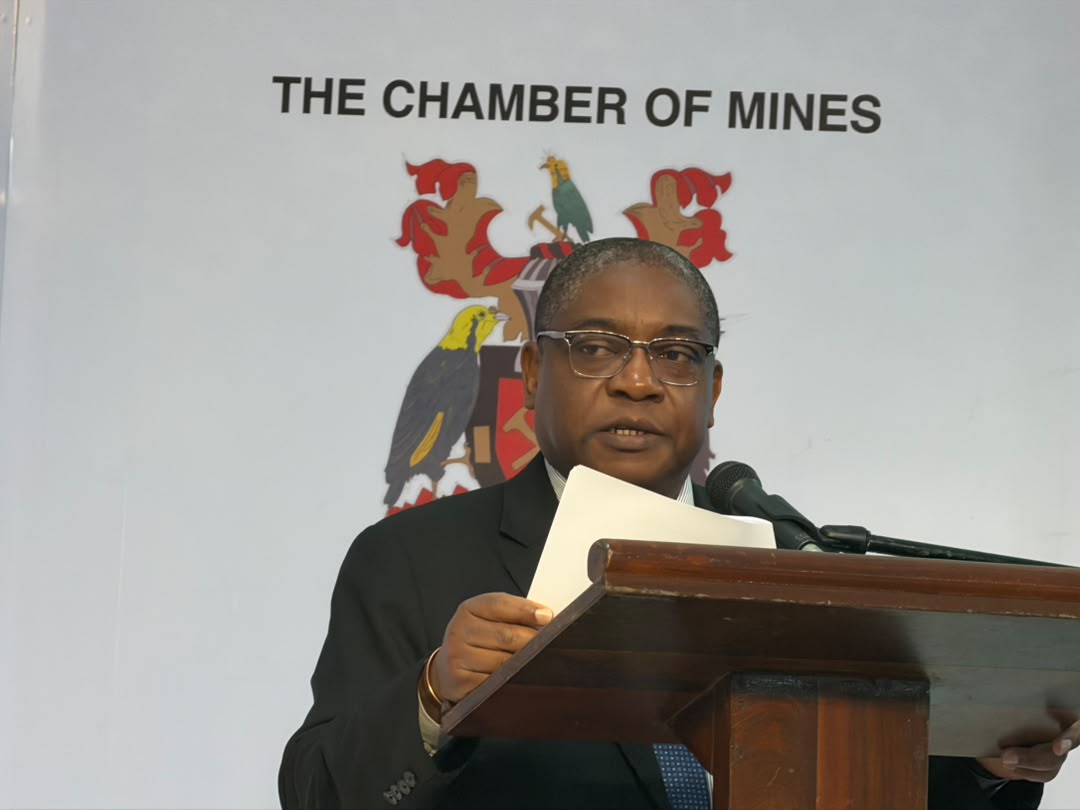
He said the success of beneficiation depended on creating an enabling environment supported by reliable energy, water and transport infrastructure, increased local content and supplier development programmes.
“To this end, we encourage the Government to consider beneficiation as a special economic zone and provide investment incentives that support harnessing of capital for beneficiation in exports, research and innovation capabilities and special skills development,” he said.
Mr Makoni said addressing competitiveness challenges was essential to building a sustainable beneficiation ecosystem.
“There is need to address the above competitive advantage issues to sustain a national beneficiation thrust. The country therefore needs to develop an integrated policy framework to incorporate mineral beneficiation and mineral value chains into the broader manufacturing and industrialisation framework,” he said.
He said Zimbabwe had already made significant progress, with Government adopting mineral beneficiation as a key component of the national industrialisation strategy.
The symposium, held under the theme “Maximising the Contribution of the Mining Sector through Full Beneficiation of Mineral Resources,” brought together Government officials, mining companies and other stakeholders to discuss strategies for enhancing value addition and unlocking greater economic returns from Zimbabwe’s mineral resources.


 Bongani Ndlovu