Online Reporter
Lovemore Dube
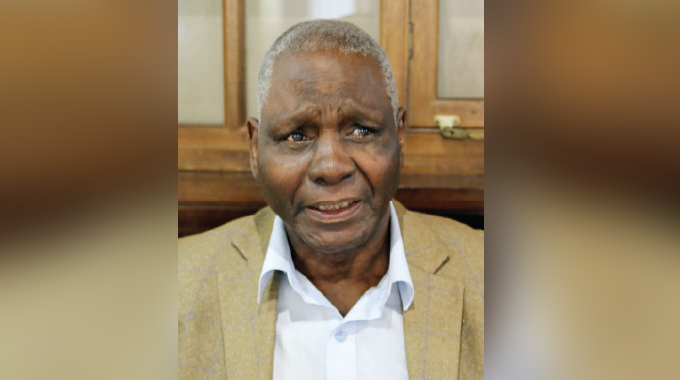
FOOTBALL legend Gibson Homela has finally broken his silence on one of Zimbabwe’s most infamous football scandals — the day he punched referee Paul Williams in full view of thousands at Rufaro Stadium during the 1979 Chibuku Trophy final.
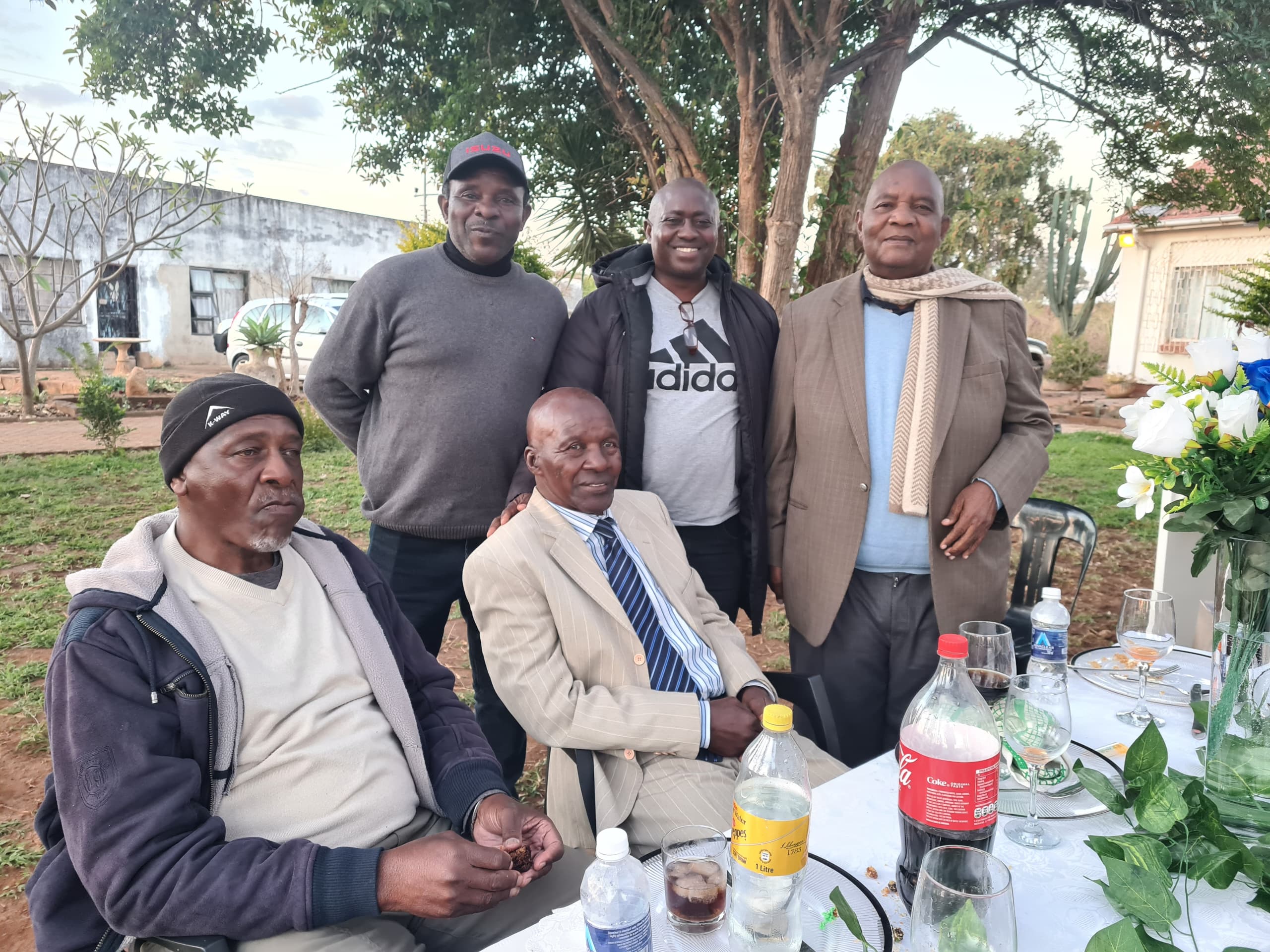
Speaking at his 79th birthday celebrations on Sunday, the former Zimbabwe Saints and national team captain gave a raw and emotional account of the incident that saw him banned for life from football.
“It must have been 1-1,” said Homela. “There was a clash between Max Tshuma and Tobias Moyo. The referee ran in and issued a card to Max. I felt it was a 50-50 tussle.”
As captain, Homela approached Williams to question the decision, but things quickly went south.
“I went to the referee to ask why only Max was booked. He was holding the yellow card, but then he pulled out the red. As he raised it, I hit him hard with my fist. He ran along the touchline trying to escape. I chased him and sat on his heels near the exit. A policeman tried to stop me. I hit him too.”
The chaos unfolded in front of a stunned Rufaro Stadium crowd during a match that eventually ended 3-3 before CAPS United crushed Saints 5-2 in a replay at Barbourfields Stadium.
Incredibly, after being sent off and causing a brawl, Homela simply took a seat in the terraces to watch the rest of the match.
A life ban swiftly followed, but Homela was reinstated the following year after an appeal, coinciding with Zimbabwe’s re-admission into the FIFA fold.
But the referee assault was not his only wild moment.
Homela also revealed a lesser-known scandal. He beat up a muti man who double-crossed Zimbabwe Saints ahead of a final against Mangula (now Mhangura).
The man, known only as Hove, had been sent ahead to “prepare the ground” for the Saints but was later spotted on match day leading Mangula and celebrating their goals.
“We expected him to work for us. Instead, he came out with Mangula and mocked us,” said Homela. “After the match, I joined forces with Emmanuel Sibanda and we gave him a proper beating.”
Despite his fiery temperament, Homela remains a football icon remembered for his brilliance on the pitch and commanding presence as a coach.
“I had my moments, but I played with passion,” he said.
And with that, Zimbabwe’s hardman of football finally closed a chapter that lived in whispers for over four decades.