Online Reporter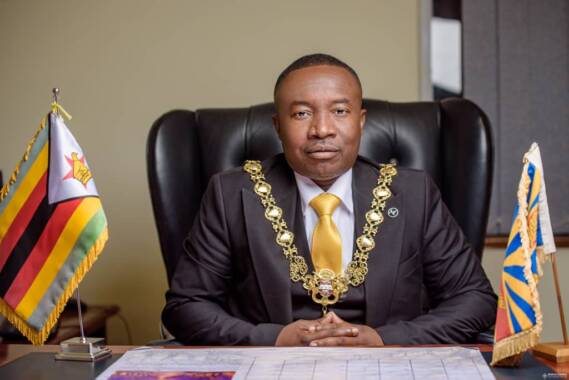
Zimpapers Arts and Entertainment Hub
As Zimbabwe’s urban entertainment scene continues to grow, so too do tensions between city authorities, music promoters, and residents over noise pollution.
While Bulawayo promoters have struggled with venue closures, most recently with Munch & Sip facing a premature shutdown due to noise complaints, the issue is now gaining momentum in Harare.
During a full council meeting held on Tuesday, Harare City Council addressed the increasing volume of noise-related complaints from residents.
Councillor Happymore Gotora, chairperson of the Council’s Standing Committee on Information and Publicity and representative of Ward 17, raised the matter, citing numerous grievances from residents living near entertainment venues such as Old Hararians Sports Club (where Jah Prayzah’s Ndini Mukudzeyi album launch was held), Homeground, and Belgravia Sports Club.
“We have some people who are operating nightclubs and pubs in residential areas, which are making a lot of noise, especially during the night. What are we going to do, as a council, to strengthen our development control and enforce order in these areas?”
In response, Harare Mayor Councillor Jacob Mafume shared the need for stronger enforcement of existing bylaws and called for a more structured approach to entertainment zoning within the city.
“We cannot develop a country by letting everyone drink beer everywhere. I don’t understand this proliferation of drinking places. It’s as if making people drunk has become a key economic activity. It is not.”
Mayor Mafume acknowledged the importance of entertainment and leisure for city dwellers but insisted that peace and order in residential neighbourhoods must take priority.
“We need to strike a balance between people’s rights to entertainment and others’ rights to peace and quiet,” he said.
“Maybe, we should adopt a Cape Town-style model where we designate a specific street in the Avenues as a leisure zone, where people can drink and enjoy themselves without disturbing others.”
The mayor highlighted the potential for relocating large-scale events to venues like the City Sports Centre, which can accommodate huge crowds without disrupting suburban areas. He also floated the idea of creating entertainment zones, soundproof venues, or even improving existing stadiums to cater to live music and nightlife events.
“We have to meet with our promoters. If it means investing in a modernised City Sports Centre or a new dedicated entertainment precinct, so be it. Events like Doek and Slay can be enjoyed in a way that doesn’t disturb others.”
The move signals growing pressure on Zimbabwe’s entertainment industry to rethink venue planning amid urban expansion and growing resident activism. Promoters, artistes, and city councils now face a collective challenge, ensuring that creativity and commerce can thrive without compromising the sanctity of residential life.