Londile Moyo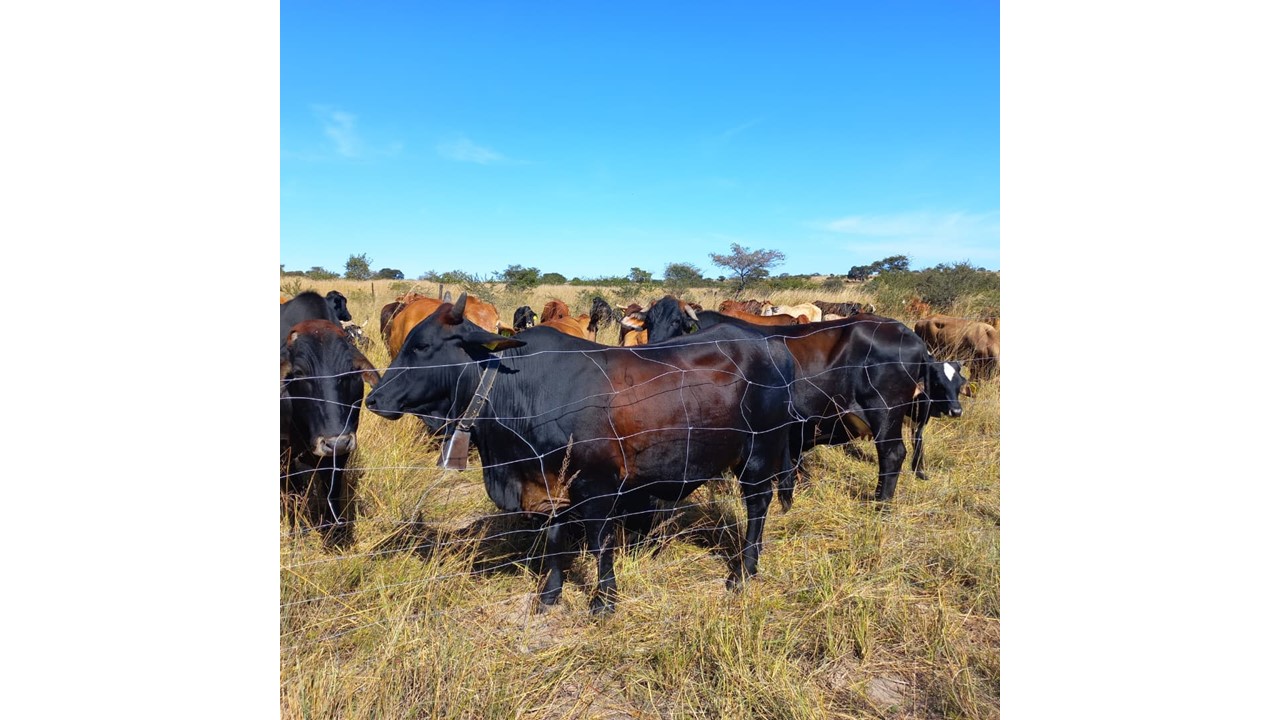
Judith Phiri, [email protected]
AGRICULTURE, Mechanisation and Water Resources Development Deputy Minister Davis Marapira has called for setting up of a Village Business Unit (VBU) for the Nyozani community of Ward 18, Insiza District, commending them for protecting grazing land and wetlands.
A VBU is a community-based, commercial agricultural venture under the Presidential Rural Development Programme, designed to fight poverty and industrialise rural areas. Each unit typically features a solar-powered borehole, nutritional garden and fish pond empowering local communities.
In an interview after touring the Nyozani rangeland regenerating site in Ward 18, Insiza District, Matabeleland South Province on Thursday, Deputy Minister Marapira commended the Nyozani Agricultural Pastoral Field School for the work they were doing which complements Government efforts.
“The previous drought like the 2023/24 season, we had serious challenges with grazing land where we lost a lot of cattle due to poverty deaths, what we describe as a situation where animals fail to get the grass and water they end up dying.
“As a Ministry we have devised a system where we now have to look at growing grass. We have a lot of grasses which can suit different regions, some which are drought tolerant and others which can do well in areas where we have good rains,” he said.
So we are moving in introducing them in different areas. A good example is where l am today, if you come to this place same time next year you will see a different area altogether.”
He said they were going to put one of the best demonstration plot for grasses in the country, while they will also incorporate a VBU which will benefit three villages which were making use of the area.
Deputy Minister Marapira said the VBU will also have a garden for crops like tomatoes, onions, leafy vegetables (rape) and cabbages among other things.
“We are going to also put a road runner facility where the communities will participate in poultry which can do very well with this environment and they will have two fish ponds. We are doing this because l am very happy with the way they have managed to secure and protect the wetlands and the grazing land,” he added.
He also commended the setup they had adopted where homesteads are in a certain area, their fields also in a certain area and the vast area of 150 hectares of grazing which was controlled so that they do not disturb the wetlands.
Deputy Minister Marapira emphasised that they were going to assist the community grow good varieties of grass which will improve protein content for their animals.
The field day was held as Zimbabwe joins the global community in celebrating the lived experiences and enduring stewardship of rangelands by pastoralists and agro-pastoralists.
The International Year of Rangelands and Pastoralists (IYRP 2026) commemoration and conference convened under the theme: “Regenerating shared landscapes – integrating emergent outcomes from pastoralist lifestyles for prosperity, sovereignty and resilience.”
The event is jointly organised by Grazing Concepts, Shangani Holistic, the Food and Agriculture Organisation (FAO-Zimbabwe Office), in partnership with the Government of Zimbabwe, and the National University of Science and Technology (NUST) through the Faculty of Agricultural Science and Technology.
It also builds on initiatives taken across Southern Africa by other organisations, initiatives from the International Livestock Research Institute (ILRI) and other partners in conservation, agriculture and development.



 Online Reporter