Nqobile Bhebhe Zimpapers Writer
RURAL electrification is opening new investment opportunities in Hwange District, with the Government challenging mining and tourism companies to channel part of their profits towards developing businesses and creating employment in communities surrounding their operations.
Energy and Power Development Minister July Moyo said access to electricity in Sikumbi and Batoka would provide a foundation for rural industrialisation, allowing villagers to establish enterprises, expand existing businesses and derive greater economic benefits from the district’s mineral and tourism wealth.
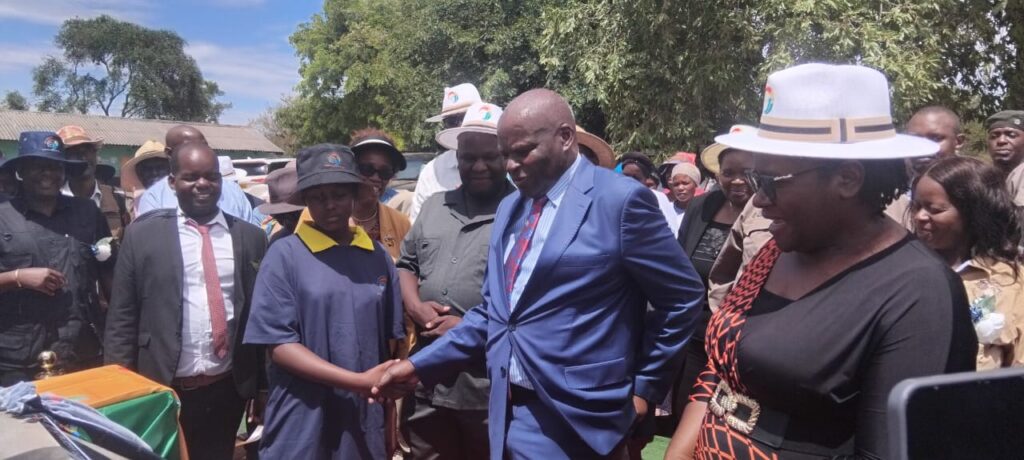
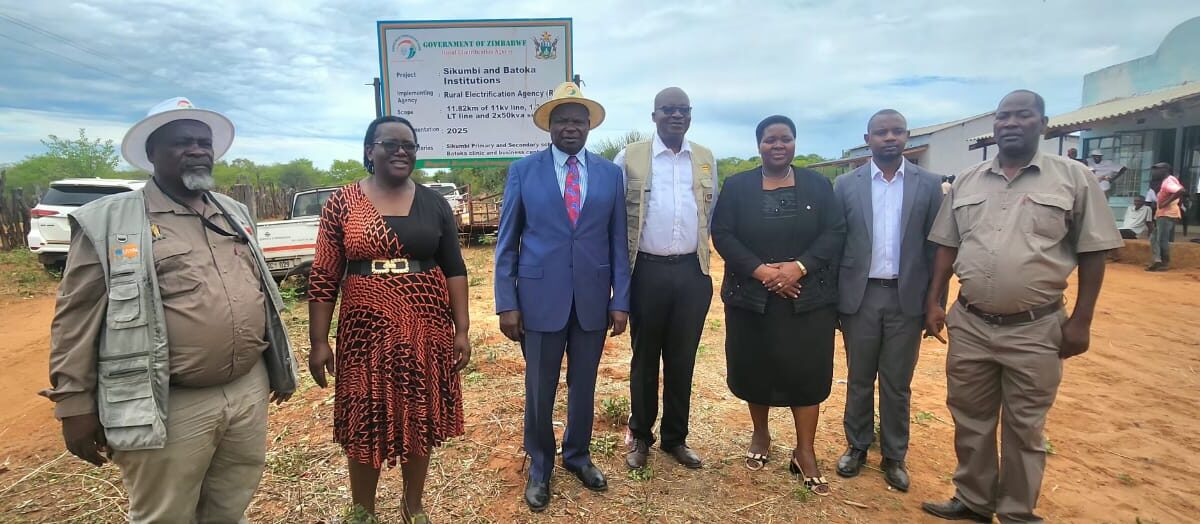
Speaking at the commissioning of the Sikumbi-Batoka electrification project in Hwange District, Matabeleland North Province, on Thursday, Minister Moyo said electricity infrastructure should translate into tangible economic opportunities for local communities.
“Today, Sikumbi Primary School, Batoka Secondary School, the clinic and the business centre are no longer operating in darkness and have joined the rest of modern Zimbabwe,” he said.
The project, implemented by the Rural Electrification Agency (REA), is expected to improve access to education and healthcare while creating opportunities for small businesses that have struggled to operate without reliable electricity.
Minister Moyo said Hwange, despite being a major electricity generation centre and home to significant mineral deposits and tourism activities, had historically lagged behind in development, leaving many villagers with limited benefits from the resources in their ancestral land.
The district’s growing mining investment base, including Hwange Colliery Company Limited, Dinson Coking Plant, Zhongjin Heli Energy and Zimbabwe Zhongxin Coking Company, presents opportunities to deepen local economic participation.
“With REA, a government entity, making strides in addressing energy poverty in rural Hwange to stimulate economic growth and empower disadvantaged villagers, private players exploiting mineral wealth and operating lodges, hotels and safaris must take note of the needs of indigenous communities who protected rich minerals, wildlife and forests for generations and contribute to the development of the areas they are operating from,” he said.
He urged mining and tourism operators to support rural industrialisation by establishing businesses in newly electrified areas, helping transform them into productive economic hubs.
“Areas of concern that need the attention and assistance from private players include setting up businesses in the electrified areas to establish rural industrialisation hubs and empower the communities.”
Potential enterprises include milling, carpentry, welding, hair salons and irrigation farming, which could create employment and diversify household incomes.
Minister Moyo also called on schools to establish income-generating projects through School Business Units, saying electrification would enable learners to access computers, the internet and extended study opportunities.
He said REA had electrified 11 718 institutions countrywide as at November 16, 2026, including 3 417 primary schools, 1 709 secondary schools, 1 111 rural health centres and 1 413 business centres.
“To the Sikumbi-Batoka community, I say electricity is not for lighting only, but an enabler for economic development, leaving no one and no place behind.”