Online Reporter
Lovemore Dube, [email protected]
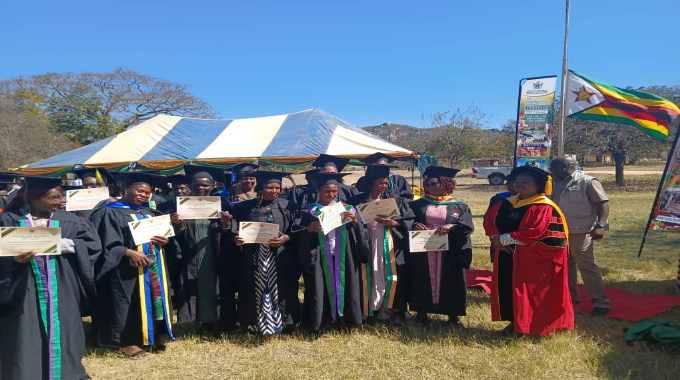
TWENTY participants completed a five-module course in Girls Positive and Safe Coaching Pathway in Bulawayo on Friday.
The programme is promoted by the International Sport For All (Tafisa), a body that is fronting the breaking of barriers to make sports accessible to girls and women who previously have been marginalised.
For Tafisa, safeguarding is not an option but a core value that supports: Human dignity, Equal access to sport, Lifelong participation, Trust from communities, parents and participants.
Tafisa says safeguarding calls for society to have a moral duty and a leadership responsibility to ensuring its implementation.
The participants did the last two modules with the other three done virtually as the international body, the Government of Zimbabwe and the Sport and Recreation Commission continue with efforts to grow women’s sport.
Also aimed at is having sport safer for women and the vulnerable.
“Safeguarding is not only about sexual abuse. It includes emotional harm, bullying, discrimination, neglect, exploitation, and poor practice,” said Busani Ncube one of the facilitators of the event.
In a post event interview Ncube said sport now play a pivotal role in Zimbabwe and the rest of Southern Africa providing wellness and professional career opportunities for those excelling.
It is quite prevalent in schools, colleges, universities and communities playing a significant role in community development.
“It is important in areas of youth development, community identity, opportunities for advancement,” said Ncube.
He emphasised that unsafe practices in sport had a negative impact on the participation figures.
“Unsafe practices have led to dropout from sport, especially among girls, fear of authority figures, silence around abuse and loss of trust in sport organisations,” added Ncube.
He emphasised that sport remains with a positive impact if participants are protected, not exploited, with communities feeling confident of allowing their children to partake.
Safeguarding is key from transporting athletes, coaching, overnight stay hence the need to train safeguarding officers to impart what they learnt to others.
Shisha Sibanda said she was happy to take part in the programme. She said in the past athletes were exposed and abused in some instances.
“Safeguarding in terms of them not being kept in silence, we want to try to unearth a lot of talent despite cultural background.
“At times there would be no female coach or safeguarding officer, if you look at 2025 we had more female officials, we are happy to have the Tafisa Programme,“ said Sibanda who has been active in athletics in Matabeleland North centres of Dete and Hwange where she has been an athletics coach.
She said women’s participation in sport has been increasing with athletes coming from as far as Binga with one Tulange Mudenda having represented the country at the World Athletics Cross Country Championships.
Precious Masaga a sports science lecturer at the National University of Science and Technology (Nust), said the Tafisa programme helps promote girls’ participation.
She said girls are expected to stay at home and be housekeepers and rarely allowed to explore their potential. She said there was a need to break barriers like culture to ensure girls explore their talents.
“Women’s participation in sport has improved even podium performances, our girls are brought up to be ladies, not to be people who can be aggressive as in sport,” she said.
Masaga highlighted poor sponsorship of women’s sport saying a lot needed to be done to improve in that regard.
Goratha Kgathi, a regional officer for Tafisa based in Botswana described women’s participation in sport as growing.
She commended the SRC for working hard to keep the number of girls in sport high.