Chronicle Editor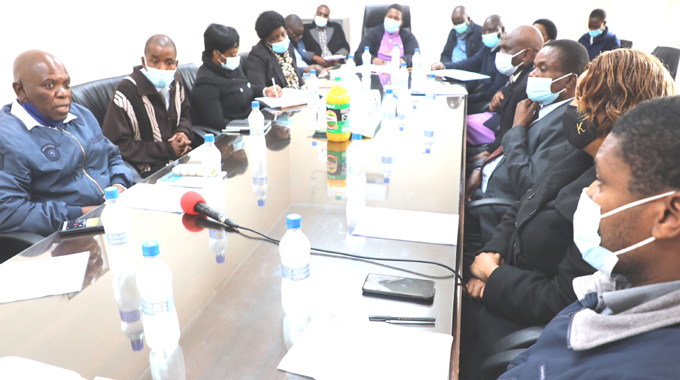
Thandeka Moyo-Ndlovu, Senior Health Reporter
UNITED Bulawayo Hospitals (UBH) has started rolling out laparoscopy surgeries, a medical procedure that results in patients healing and being discharged quicker, making it possible for them to resume normal activities faster.
In a laparoscopy surgical technique, short, narrow tubes are inserted into the abdomen through small, less than one-centimetre cuts.
Laparoscopy is performed in the abdomen or pelvis using small incisions with the aid of a camera and gynaecologists may use the same technology on ovary surgeries.
The main equipment needed for this procedure is already there at UBH and so far, surgeons have conducted the laparoscopy surgery on a number of patients.
Some of the benefits are that chances of haemorrhaging are greatly reduced and due to the small cuts, the patient will feel no pain after a laparoscopy and cuts heal faster compared to open surgery.
UBH head of surgery department Mr Tongesai Mukosera said compared to traditional methods used in surgery, laparoscopy is less painful and patients are safe from suffering long-term side effects associated with open surgeries.
He said laparoscopic surgery involves minimally invasive surgery meaning patients will only have small cuts on them after surgery.
“As general surgeons we usually work on the abdomen and with laparoscopy we will make small cuts and introduce a telescope, attach a camera and be able see the entire abdominal cavity. Once we have looked at the organs, we will then use a monitor to focus on the ones we want to work on. The main organs we usually work on using laparoscopy include the gallbladder and the appendix,” said Mr Mukosera.
“Big incisions (cuts) come with long term complications like bowel obstruction. The whole world has since shifted towards this type of surgery and it reduces costs.”
He said since UBH is also a training institution, surgery students must be exposed to such technologies so that they are internationally competent.
“We are grateful to our passionate mentor Dr Magara (Munyaradzi) who went all the way to India to study this concept before he came back home to teach us. He also collaborated with Americans and they came down and introduced the concept to us before he moved to the UK where he is currently practicing,” said Mr Mukosera.
He said the team is grateful to Government which bought a tower, the main equipment needed.
Mr Mukosera said the southern region will benefit from laparoscopic surgeries as surgeons at Mpilo Central Hospital are working on rolling it out soon.
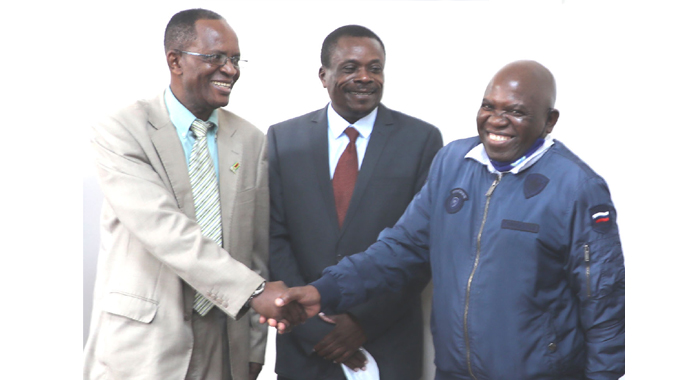
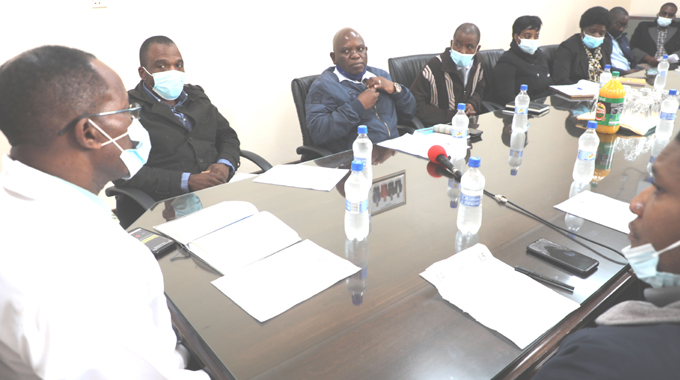
Speaking after receiving a US$10 000 donation from Old Nic Mine yesterday, acting UBH chief executive officer Dr Narcisius Dzvanga said rolling out laparoscopy to members of the public was part of UBH’s 2022 goals.
The donation will go towards purchasing consumables needed for laparoscopic surgeries.
Dr Dzvanga said the donation will help surgeons increase the number of laparoscopic procedures at the 650-bed hospital.
“This US$10 000 donation will boost our laparoscopic services as we will be able to buy the required consumables such as special gases.
Patients who suffer from appendicitis and other abdominal challenges will benefit from this new technology which is being used in first world countries,” he said.
Old Nic Mine managing director Mr Givemore Muzvidzwa said the donation was part of the company’s corporate social responsibility.
Dr Phillipa Sibanda, a medical practitioner who spent 18 years in America before coming back home recently said Zimbabwe is privileged to have abundant skilled healthcare personnel and training capacity to establish itself as a medical hub for the region.
She said once the country establishes itself as a medical hub, it will cut outbound healthcare costs while earning the much needed foreign currency from foreigners seeking services.
Dr Sibanda said an estimated US$400 million per annum is spent by about 20 000 Zimbabweans seeking outbound medical services from outside the country.
“Surveys have shown that Zimbabwe is second to Nigeria in terms of diaspora healthcare workers in the world. What we need is a long-term shared vision and agenda to create a thriving generational healthcare system. We need partnerships and investments in that regard so that we expand our capacities,” she said.
@thamamoe



 Online Reporter