Online Reporter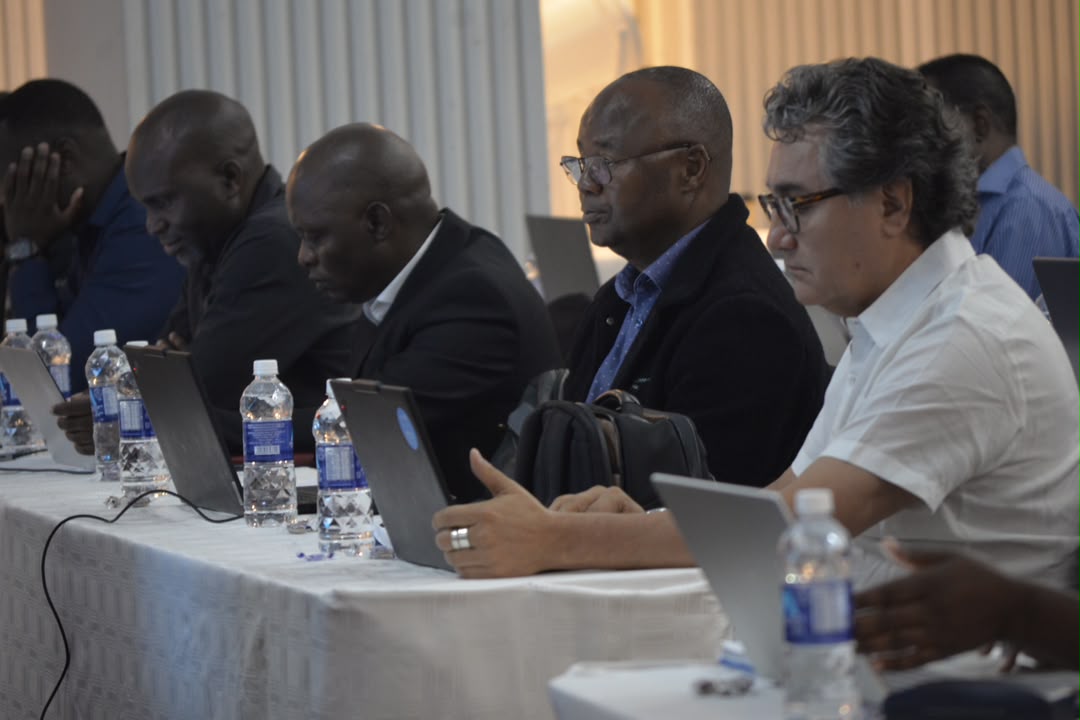
Sikhumbuzo Moyo, Senior Reporter
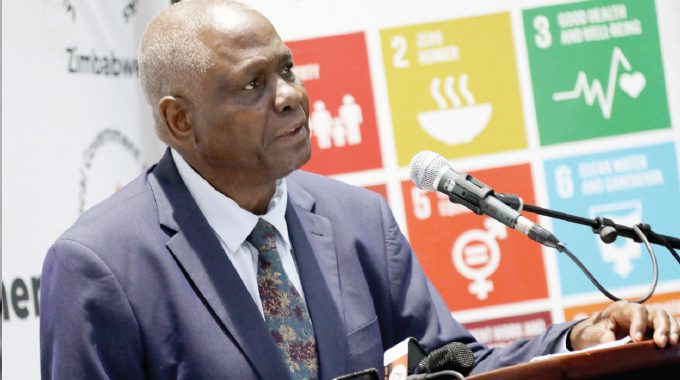
ZIMBABWE must move beyond traditional approaches to water management and accelerate innovation, collaboration and investment to build a water-secure and climate-resilient future, National University of Science and Technology (NUST) Vice-Chancellor Professor Mqhele Dlodlo has said.

Speaking during the Zimbabwe Water Indaba and WASH Joint Sector Review in Bulawayo yesterday, Prof Dlodlo said sustainable water management was fundamental to the country’s socio-economic development, warning that climate change, population growth, urbanisation, environmental degradation and infrastructure deficits were placing increasing pressure on water systems.
The three-day Indaba, being held under the theme “Building Zimbabwe’s Water Future: Innovation, Collaboration and Action for Sustainable Water Security,” brings together policymakers, researchers, development partners, the private sector, communities and young people to deliberate on the country’s water challenges and opportunities.
Prof Dlodlo said water should be regarded as a strategic driver of national development rather than merely a natural resource, given its central role in health, food security, energy production, industrial growth and environmental sustainability.
“Water is not merely a natural resource. It is a strategic enabler of development and a foundation upon which health, food security, energy production, industrial growth, environmental sustainability and human well-being depend,” he said.
He said the scale of emerging challenges required the country to rethink conventional approaches and embrace integrated, evidence-based and forward-looking solutions.
“These realities compel us to rethink traditional approaches and embrace innovative, integrated and forward-looking solutions,” said Prof Dlodlo.
Prof Dlodlo said the Indaba should, therefore, move beyond dialogue towards practical interventions, partnerships, investment and policy innovation, with water security considered alongside agriculture, energy, sanitation, environmental management and opportunities presented by the circular economy through wastewater management.
“The central message remains the same: sustainable water management is fundamental to sustainable development,” he said.
The need for practical action was reinforced by United Nations Children’s Fund (UNICEF) country representative Ms Etona Ekole, who said strengthening water, sanitation and hygiene (WASH) systems was critical to protecting children and communities.
She said the Indaba provided an opportunity to make decisions that would determine whether every child in Zimbabwe could access safe water, sanitation and hygiene services needed to survive, learn and live with dignity.
“As we meet over the coming days, we must keep children’s daily realities at the centre of every decision. National access to basic drinking water has remained at about 64 percent since 2020, while basic sanitation stands at about 36 percent and hygiene remains low at around 42 percent, with urban-rural disparities,” said Ms Ekole.
She said poor WASH services exposed children to diarrhoeal diseases, cholera and other infections, while also contributing to malnutrition, interrupted learning and protection risks, particularly for girls who had to travel long distances or queue for water.
“A child without water is a child whose health, education and future are at risk. Investing in safely managed water, sanitation and hygiene services is, therefore, one of the most practical and powerful investments we can make in children’s survival, health, learning and dignity,” she said.
Ms Ekole said climate shocks made the need for resilient systems even more urgent, with elevated drought risk forecast across Southern Africa during the October 2026 to March 2027 rainy season due to El Niño effects.
“If this materialises, water sources may decline or dry up, households may turn to unsafe water sources, and schools and health facilities may struggle to maintain WASH services for children,” she said.
For NUST, higher education institutions have a critical role in driving this transformation through research, innovation and human capital development.
“As a university committed to advancing knowledge, innovation and societal impact, NUST firmly believes that higher education institutions have a critical role to play in generating evidence-based solutions, fostering innovation, building human capital, and supporting informed policymaking,” said Prof Dlodlo.
He highlighted NUST’s ACEWATER III Project and research agenda as part of the university’s contribution to national and regional efforts to improve water security and climate resilience.
The Indaba will focus on water security and climate resilience, WASH for inclusive development, wastewater as a resource, water for food and livelihoods, water governance and policy innovation, and the water-food-energy nexus.
Ms Ekole said that as Zimbabwe advances its devolution agenda, local authorities would remain at the frontline of delivering services, making their capacity to plan, finance, monitor and maintain WASH infrastructure critical.