Precious Manomano-Herald Reporter
IN a country where agriculture remains the backbone of the economy and the source of livelihoods for millions, water is increasingly becoming Zimbabwe’s most valuable resource.
As climate change brings more frequent droughts, erratic rainfall patterns and prolonged dry spells, dams have emerged as critical national assets, providing the water needed to sustain crop production, support livestock, power industries and supply growing towns and cities.
For Zimbabwe, dams are no longer simply reservoirs that store water.
They have become strategic tools for guaranteeing food security, driving rural industrialisation, creating employment and building resilience against climate shocks.
Every major dam constructed represents an opportunity to transform surrounding communities through irrigation, fisheries, tourism, energy generation and improved access to clean water.
Recognising the central role of water in national development, the Government has embarked on a programme to construct high-impact dams and expand irrigation infrastructure across the country.
The initiative seeks to unlock agricultural potential, strengthen food self-sufficiency and ensure that rural communities can withstand the effects of recurring droughts.
From Matabeleland to Mashonaland and from Masvingo to Midlands, large-scale dam projects are changing the landscape and creating new opportunities for economic growth.
Through these investments, Zimbabwe is laying the foundation for a water-secure future capable of sustaining production throughout the year, regardless of rainfall conditions.
The Government’s target is to bring at least 350 000 hectares under irrigation while expanding access to clean water for domestic, agricultural and industrial use.
The programme is expected to significantly boost agricultural productivity, particularly among smallholder farmers who depend heavily on rainfall.
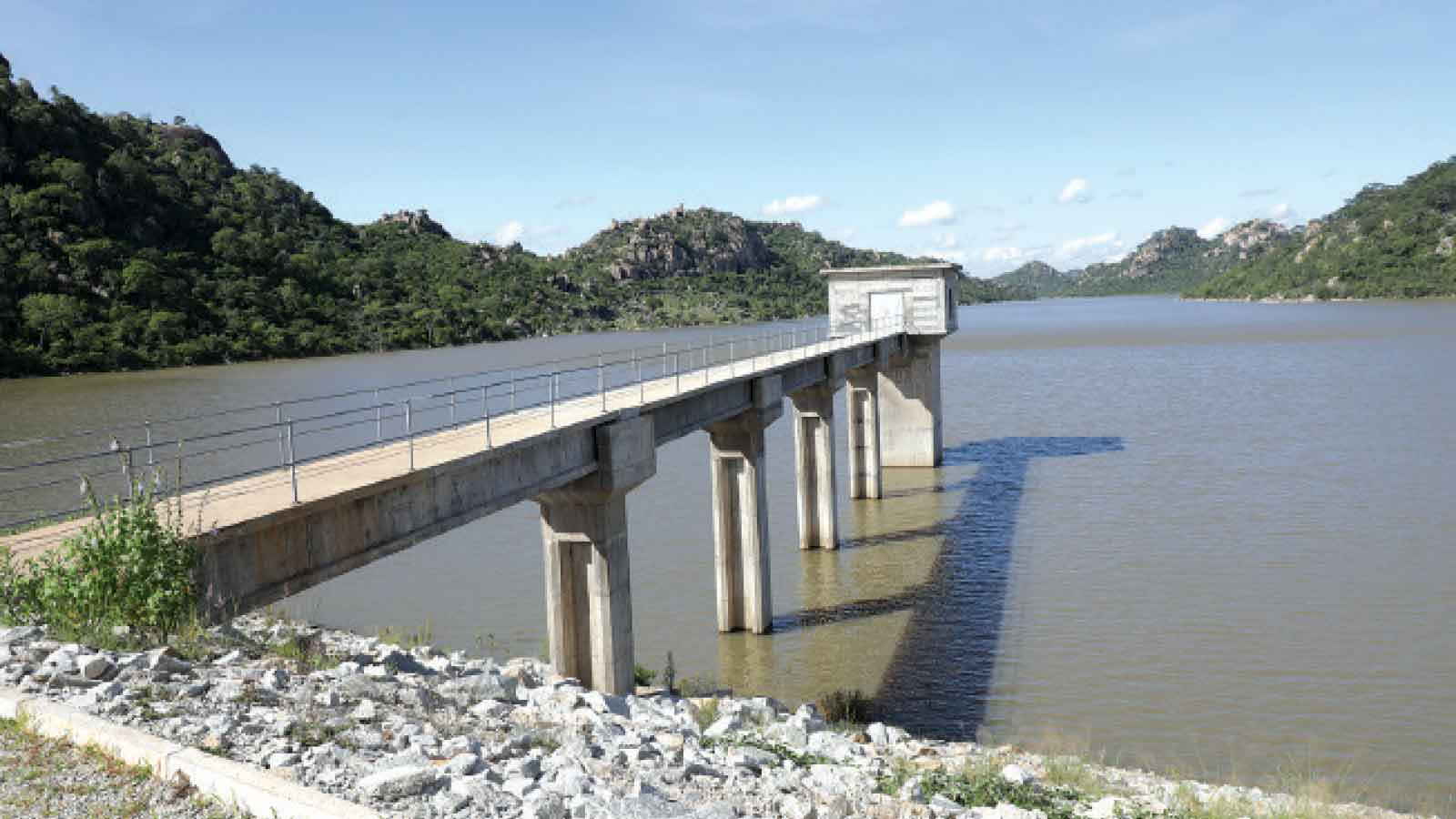
Several major dams have already been completed and are delivering tangible benefits to communities. These include Tokwe-Mukosi, Muchekeranwa, Marovanyati and Chivhu dams, which are supporting irrigation development, water supply programmes and economic activities in their respective regions.
Agriculture, Mechanisation and Water Resources Management Permanent Secretary Professor Obert Jiri said the development of dams remains central to the country’s rural transformation agenda.
“We have reviewed all the dams that are under construction. We then develop irrigation schemes and provide water for drinking. That is rural development,” said Prof Jiri.
Beyond storing water, the projects are designed to stimulate agricultural production, improve livelihoods and create opportunities for rural communities.
Prof Jiri said the dams formed part of long-term plans aimed at supporting smallholder irrigation and boosting agricultural output.
“The development of the dams is part of long-term plans to support smallholder irrigation, boost food and agricultural production and harness water for industrial and domestic use,” he said.
The importance of irrigation has become increasingly evident in recent years as climate change continues to affect rainfall patterns. While rain-fed agriculture remains important, experts say sustainable food production will increasingly depend on reliable water sources that enable farmers to grow crops throughout the year.
Through irrigation, farmers can produce multiple crops annually, increase yields and diversify into high-value horticultural products.
Reliable water supplies also support livestock production and reduce the risks associated with drought.
Government is currently implementing several major dam projects, including Kunzvi, Gwayi-Shangani, Dande, Mbada, Bindura, Defe, Tuli-Manyange, Semwa and Vungu dams.
Among these, the Gwayi-Shangani Dam stands out as one of the country’s flagship infrastructure projects.
The dam is now more than 75 per cent complete and is expected to provide irrigation water while helping address Bulawayo’s long-standing water challenges.
Once completed, the project is expected to transform agricultural production in surrounding areas while supporting industrial and domestic water requirements.
The inclusion of a mini-hydropower plant will further enhance its contribution to economic development.
Another strategic project is the Kunzvi Dam, which is approximately 71 per cent complete.
The dam is expected to strengthen water security for Harare and neighbouring communities while creating opportunities for expanded agricultural production.
The impact of dams extends far beyond agriculture.
Large water bodies support fisheries, tourism and recreational activities, creating additional sources of income for local communities.
They also attract investment in agro-processing industries, which depend on reliable water supplies to operate efficiently.
Construction activities themselves generate employment opportunities for engineers, contractors, artisans and labourers, while the development of irrigation schemes creates long-term jobs in farming and related sectors.
To complement dam construction, the Government is also implementing an extensive borehole drilling programme targeting 35 000 villages nationwide. More than 2 000 villages have already benefited, improving access to clean water and supporting household agricultural activities.
The water infrastructure programme is being implemented alongside conservation agriculture initiatives such as Pfumvudza/Intwasa, which promote climate-smart farming practices.
Together, these interventions are helping farmers adapt to changing climatic conditions while improving productivity.
Chivhu Dam, commissioned in 2023, has already demonstrated the transformative potential of water infrastructure.
The project has improved water availability for the town and surrounding farming communities, supporting agricultural activities and local economic growth.
In southern Masvingo, the planned Runde-Tende Dam is expected to further expand water availability while enhancing regional cooperation in water resource management.
As Zimbabwe pursues its vision of becoming an upper-middle-income economy by 2030, dams are expected to play an increasingly important role in supporting agricultural growth, industrial development and climate resilience.
For many communities, the value of a dam is measured not only by the water it stores, but by the opportunities it creates.
It means irrigation where there was once drought, harvests where there was uncertainty, businesses where there were few economic prospects, and hope where communities previously struggled against the effects of recurring dry spells.
In this way, dams are becoming far more than engineering structures. They are emerging as the foundation of Zimbabwe’s quest for food security, rural industrialisation and sustainable national development.