admin
adminTown clerk Dr Tendai Mahachi gave the assurance after he confirmed that work had begun at Morton Jaffray Water Treatment Plant and at Firle and Crowborough Sewage Treatment Plants to restore waste water treatment capacity and stabilise water supply for the city.
“After completion of the work there would be an improvement in water delivery. This project is expected to be carried out over 10 months,” he said.
The AfDB unveiled a US$9,5 million grant for Harare last month under Zimbabwe’s Urgent Water Supply and Sanitation Rehabilitation Project (UWSSRP) phase one which aimed to increase the “reliability, quality and availability of water” for the city.
The entire project valued at US$29,65 million under the Zimbabwe Multi Donor Trust Fund to rehabilitate water and sanitation facilities will also see similar developments in the municipalities of Chegutu, Chitungwiza, Kwekwe and Masvingo. An Indian company TechnoFab and Gammon has been contracted to do the work. At Firle and Crowborough the scope of work involved rehabilitating the biological filters and replacement of all obsolete equipment.
The grant was also expected to enhance the provision of support for the restoration and stabilisation of water supply and sanitary services to reduce the incidents of cholera and other water-related diseases in the country.
Although work has begun to rehabilitate the water infrastructure, the water crisis continued to stress many people in Harare with residents going for months without basic water supplies.
Once waste water treatment plants are upgraded, this will help the city to discharge treated waste water into the rivers that feed into Lake Chivero, the capital’s main water supply dam.
At present, the city is discharging raw sewer into streams and rivers that flow into the lake. As a result the lake is now heavily, polluted something that has driven up the cost of purifying water for the city.
Council requires up to US$3 million to purchase water chemicals on a monthly basis.
Dr Mahachi said once the city’s capacity to treat waste water was enhanced, it would reduce the cost of water treatment for the city.
Infrastruture development at Morton Jaffray and Prince Edward Dam will involve the repair and replacement of dosing equipment, raw water flow meters and other obsolete equipment such as motors, starters, pipes, valves and electrical control boards.
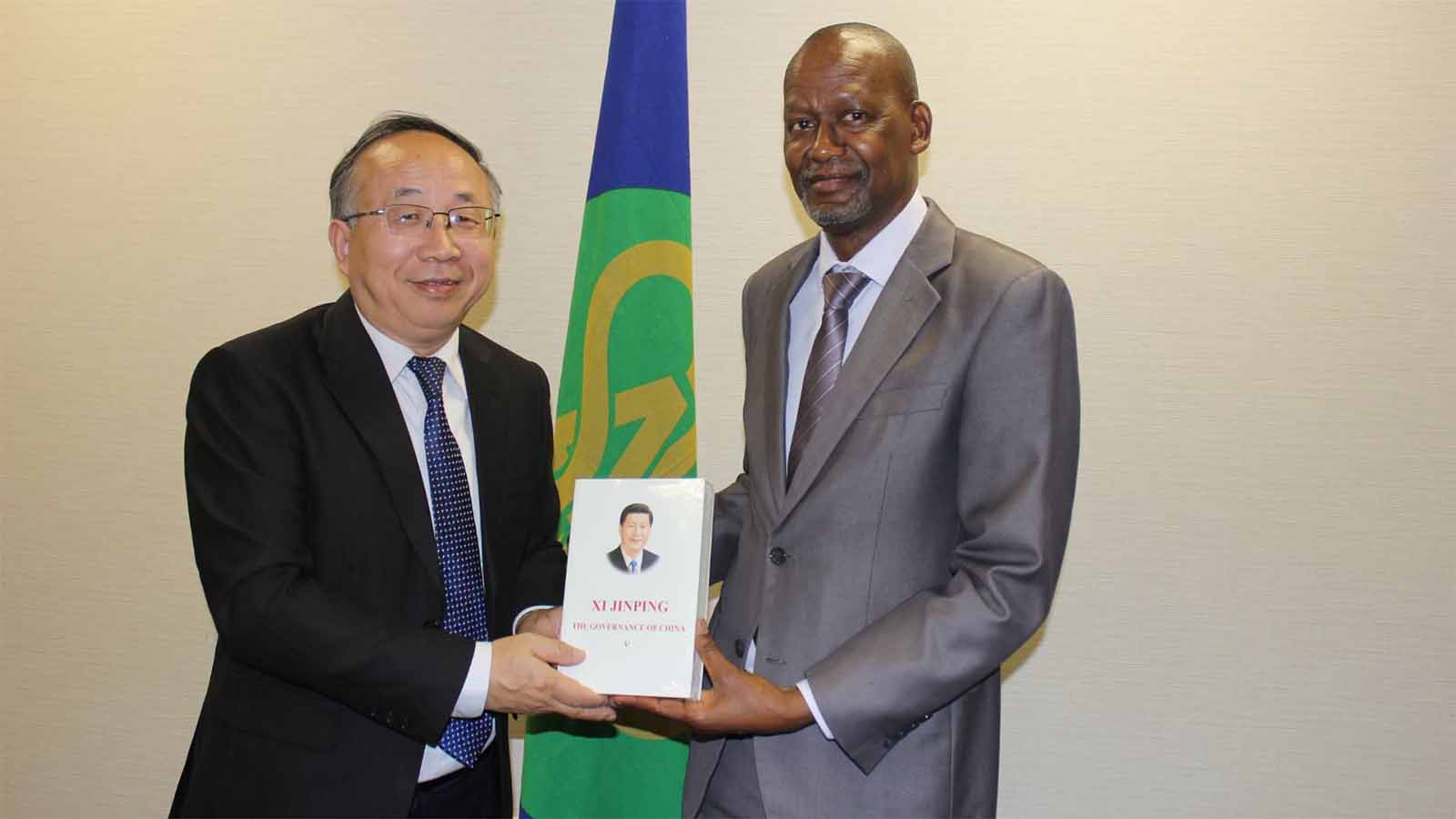
The city also secured another US$144 million from China to overhaul its water supply system.
Harare alone needs about 1 200 megalitres a day yet the municipality is currently producing 620 megalitres for Harare, Chitungwiza and Norton.
Shortages of treatment chemicals and loss of water through burst pipes has worsened the water supply situation in the capital and adjacent towns.


 Online Reporter