admin
admin
Yola — Local lawmakers in northeast Nigeria are investigating fresh allegations that officials have diverted food aid intended for people who have fled from Boko Haram.
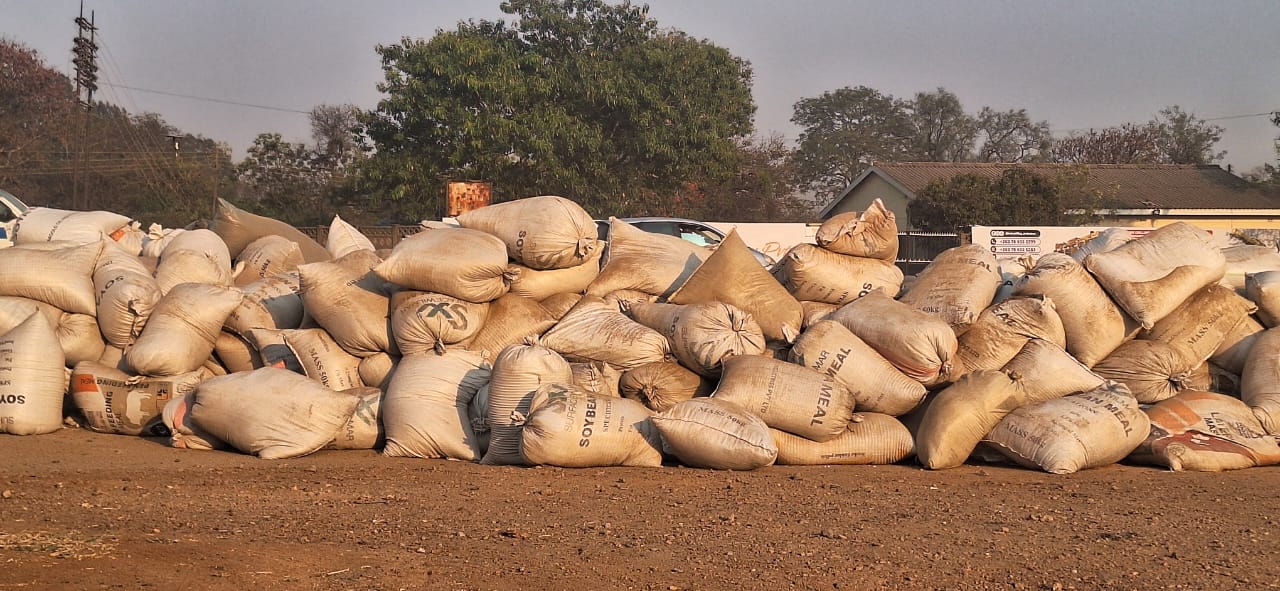
The allegations in Adamawa state centre on officials and market traders accused of selling food items donated by Nigeria’s customs service, said Hassan Barguma, chair of a committee focused on refugees in the Adamawa state assembly.
“Stealing food meant for starving children is beyond the pale and only adds insult to injury,” Barguma said.
Boko Haram’s seven-year-old insurgency has killed more than 20 000 people and displaced more than 2.6 million in Nigeria and neighbouring Cameroon, Niger and Chad.
Lawmakers and officials are already investigating reports that food aid was stolen in Borno state, the birthplace of Boko Haram where the UN has warned that tens of thousands of children could die from malnutrition. The reports sparked protests from refugees who at one point blocked a main highway heading into Maiduguri, the northeast’s largest city.
Nigeria’s customs service in August released 11 trucks of food aid including rice, oil and spaghetti for refugees in Adamawa state. Yet Barguma said many of the items did not reach refugees and were instead sold to local markets.
Sadiq Daware, deputy co-ordinator of Adamawa’s poverty alleviation office, denied the allegations.
“Whoever tells you the items were diverted is very far away from the truth,” he said.
He said local officials followed an approved distribution plan, though he noted that this called for some of the aid to be given to politicians and officials acting as intermediaries.
Refugee community representatives in Adamawa said they were infuriated by reports of stolen food aid and called for a thorough investigation.
“We are being fed only once or twice daily,” said Habu Ali, a community leader in Fufore. He said most refugees preferred to go out and fend for themselves rather than “being treated like animals” in the camps.
Falmata Ali, another refugee, said children in her camp were always crying out for more food. “We are tired of all these inhuman treatments. Let them take us back to our towns in Borno,” she said.
Adamawa state once housed 60 000 refugees, though Nigeria’s National Emergency Management Agency reported on Friday that the figure had dropped to 18 958 as people returned home. – AP


 Online Reporter