Vusumuzi Dube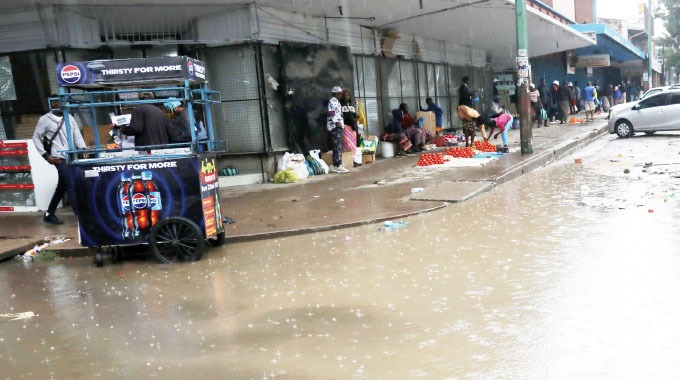
Raymond Jaravaza, [email protected]
BULAWAYO’S ageing and frequently blocked drainage systems are straining under the weight of persistent heavy rains, leaving large sections of the city centre and surrounding suburbs vulnerable to sudden flash floods.
Although the sustained rainfall — felt across much of the country — has offered welcome relief to farmers and residents, it has also cruelly exposed the city’s systemic decay and the long-standing collapse of its waste management infrastructure.
In recent weeks, the downpours have left streets waterlogged, raising concerns over the state of urban planning, the capacity of the drainage network and the effectiveness of refuse collection.
The city centre remains especially prone to flooding, with blocked drains forcing water to pool along roads and in front of shops. The situation is creating risks for pedestrians and motorists, threatening infrastructure and increasing the likelihood of water-borne diseases.
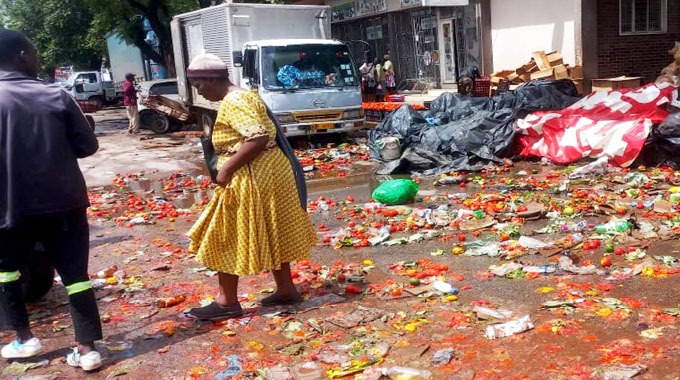
At the bustling Bulawayo City Market — a key hub for fresh produce — a Zimpapers news crew observed piles of uncollected refuse, including green mealie leaves and rotting vegetables, strewn along the streets.
The waste has clogged drains, worsening the flooding and posing serious environmental and health hazards.
Urban planners and residents have attributed the recurring problem to old infrastructure, poor waste disposal habits and rapid urban growth.
“The drainage systems are full of garbage and water does not flow when it rains. As vendors, we are also affected and we fear contracting diseases such as cholera,” said vendor, Mrs Esther Nkiwane.
Another trader, Mr Qhubani Sibanda, appealed to the Bulawayo City Council (BCC) to improve refuse collection in and around the market.
“Hundreds of farmers bring produce here, and green mealies can take days to sell. The leaves pile up and council takes time to collect the refuse, which ends up blocking drains,” he said.
Last year, BCC reported that it had cleared more than 160 kilometres of drainage channels using internal teams and community support. However, the council said the problem worsens each year due to excessive littering, particularly plastic waste.
Bulawayo Vendors and Traders Association (BVTA) chairperson Mr Michael Ndiweni said many blockages stem from illegal and unregistered vendors operating in undesignated areas.
“This is a serious concern. Informal traders operating outside designated areas are contributing to littering and giving the city problems,” he said.
Mr Ndiweni added that traders operating from authorised sites maintain better standards of cleanliness, unlike illegal traders who operate overnight.
“They trade at night or in the early hours and leave the city by morning, dumping heaps of plastic and biodegradable waste, which ends up clogging drainage systems,” he said.
Meanwhile, the city council has reminded property owners to ensure that weep holes in boundary walls remain open during the rainy season.
Weep holes — small openings at the base of walls — allow stormwater to drain naturally and prevent water accumulation and flooding.
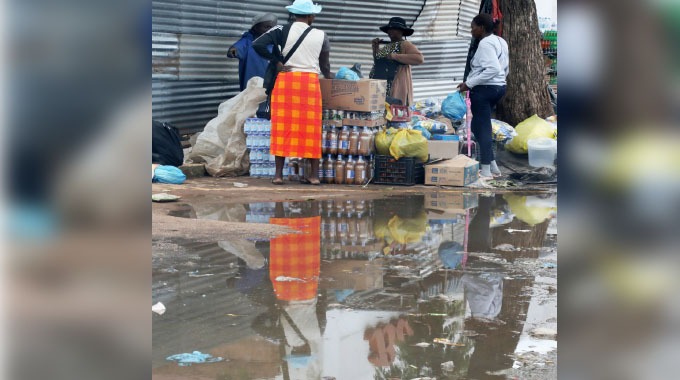
In a statement, council said that maintaining open weep holes is a legal requirement under Section 78(2) of the Water Act, with penalties for non compliance provided under the Roads Act (Chapter 13:18).
“Closed or obstructed weep holes can cause flooding on private and public property, structural damage to boundary walls and foundations, and health hazards due to standing water that attracts mosquitoes and increases the risk of water-borne diseases,” said BCC.
Property owners were urged to work together to inspect and clear weep holes along shared walls to ensure effective drainage.
Beyond the city’s paved surfaces, the persistent rains have begun to fray the very fabric of daily life.
For students in the western suburbs, the journey to school has become a life-threatening gauntlet, as learners are forced to navigate swollen streams and volatile watercourses. Only yesterday, Magwegwe
High School pupils were observed wading across a surging stream that cleaves the school from the suburbs of Pumula East, Old Pumula and Pumula North.
The situation is equally dire in St Peters Village, where the deluge has reduced dirt roads to impassable quagmires. Commuter omnibus operators, fearing for their vehicles, have begun to shun the area entirely, leaving residents isolated and stranded as their only links to the city centre dissolve into the mud.


 Online Reporter