Online Reporter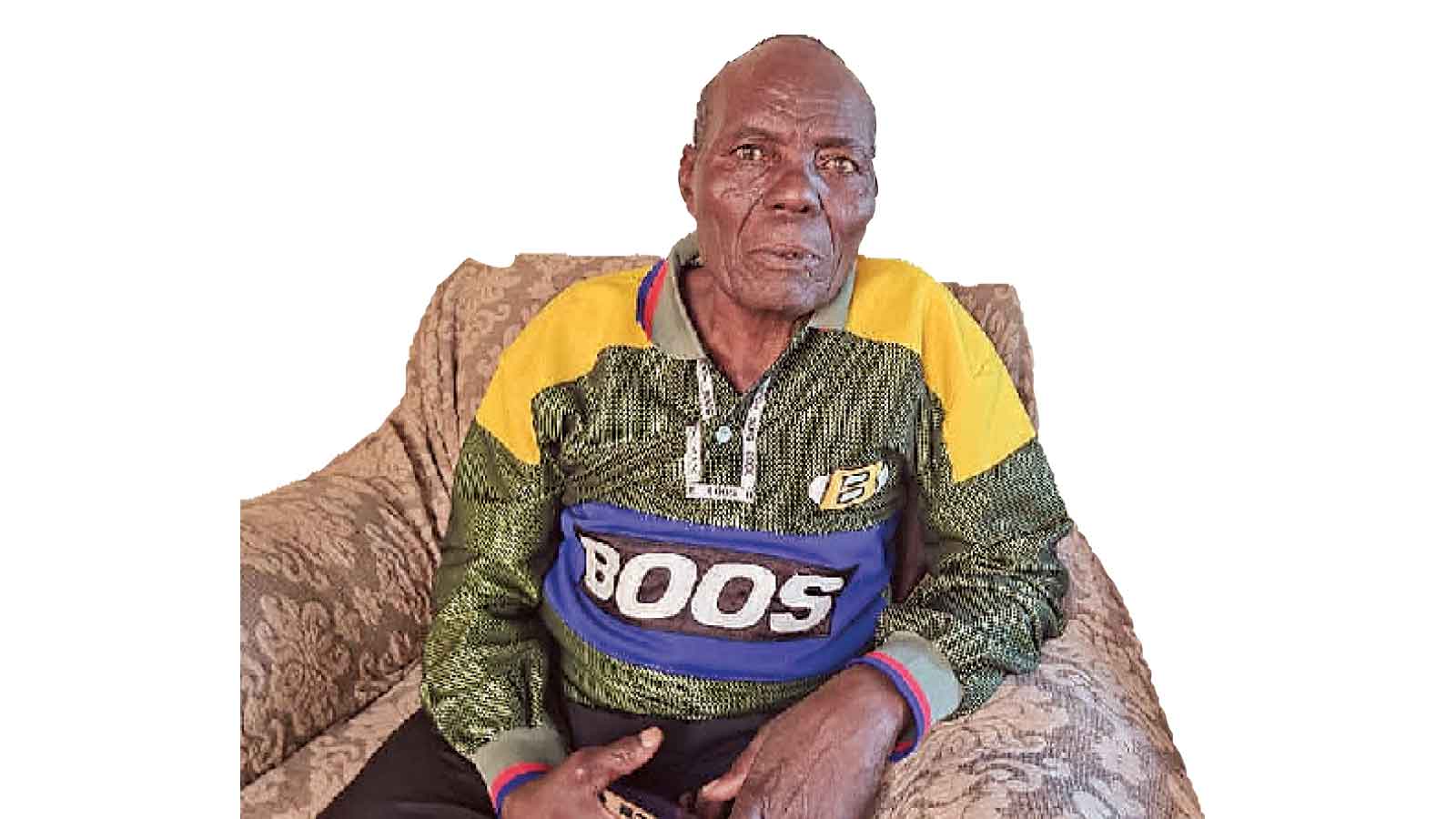
LIEUTENANT-COLONEL (Retired) Harrison Dzungwa, whose Chimurenga name was Cde Cover Takurira, last week chronicled his military training at Chimoio Camp in Mozambique after crossing into the neighbouring country to join the liberation struggle to Zimpapers Politics Hub’s KUDA BWITITI. He also reflected on the devastating impact of the Nyadzonya massacre of August 9, 1976, in which Rhodesian Security Forces attacked the refugee and transit camp, killing hundreds of unarmed refugees and freedom fighters. The massacre deeply affected ZANLA cadres based at Chimoio, hardening their resolve to intensify the armed struggle. Lt-Col (Retd) Dzungwa also indicated that he was selected to join a special unit tasked with carrying out retaliatory operations against Rhodesian forces in response to the Nyadzonya attack. This week, he recounts some of the fierce battles his section fought as they embarked on that dangerous mission, including a dramatic encounter at Gandanzara Mountain, where several comrades lost their lives.
***************
Q: In your task to avenge the Nyadzonya massacre, what was the main mission you were assigned?
A: Our principal mission was to destroy Nyazura Bridge. Intelligence had shown that it was one of the important routes used by
Rhodesian forces to move troops, weapons, ammunition and other military supplies. The thinking behind the operation was straightforward: If we managed to destroy that bridge, we would disrupt the enemy’s logistics. Without easy movement of supplies and reinforcements, it would become difficult for them to launch attacks against our bases and operational areas. It was part of a wider strategy of weakening the enemy by targeting critical infrastructure that supported their military operations.
Q: How many were you and who were the comrades you worked with?
A: We operated as an army section under the command of Cde Arnold Muchafara, who was part of the Chiduku Detachment. Our section included several comrades who had undergone specialised military training in Tanzania. Among them were experts in handling TNT explosives because our assignment required people with experience in demolition work. Every member of the team had a specific responsibility. Some specialised in explosives, others provided security during operations, while the rest ensured that the mission could proceed smoothly and that we could withdraw safely if we encountered the enemy.
Q: Tell us about the journey. How did the mission begin?
A: Reaching Nyazura was never going to be easy because we had to move through areas that were heavily patrolled by the Rhodesian Security Forces. One of those areas was Gandanzara, while another was Mavonde. Enemy patrols were common there, so every movement had to be carefully planned. We travelled on foot, moving at night and resting during the day whenever it was necessary to avoid detection. After leaving Chimoio, we spent several days walking through difficult terrain before eventually reaching the Gandanzara area. When we arrived there, our commanders decided that the retaliatory operations would effectively begin in that area. Instead of immediately proceeding to Nyazura, we first targeted Manica Bridge as part of our operations against enemy infrastructure.
Q: How did you carry out the bombing operation of Manica Bridge?
A: The operation was launched around 2am under the cover of darkness. Our explosives specialists carefully planted the charges on the bridge while the rest of us provided security. Once everything had been prepared, the explosives were detonated. There was a massive explosion. The sound echoed across the surrounding area. However, we quickly realised that the bridge was far stronger than we had anticipated. Although the explosion caused damage, it did not completely destroy the structure as we had intended. In military operations, things do not always go according to plan. We immediately understood that the explosion would have alerted Rhodesian forces stationed nearby. Remaining there any longer would have exposed us to unnecessary danger. The order to withdraw was given immediately.
Q: Where did you retreat to?
A: We retreated towards Gandanzara Mountain. By around 5am, we had reached the mountain and positioned ourselves near its highest point. From there, we could observe movements below while also taking advantage of the natural cover provided by the rocky terrain. Not long afterwards, we heard helicopters approaching. From the sound, we recognised that they were coming from the Grand Reef area. It became clear that the enemy had mobilised quickly in response to the explosion. We prepared ourselves because we knew contact with the enemy was now inevitable.
Q: Did the enemy manage to track your position?
A: Yes, it did. A fierce battle broke out. Enemy helicopters attacked from the air while ground forces advanced below. Bullets were coming from different directions, and we had to keep changing positions while returning fire. It was a difficult engagement that required everyone to remain calm despite the intensity of the fighting. Fortunately, none of the members of our own section were killed during that particular attack.
However, there were two other ZANLA sections that had already been operating in the same area before we arrived.
They were positioned at different locations on the mountain. Sadly, some comrades from one of those sections lost their lives.
I vividly remember one comrade being struck by heavy gunfire from one of the helicopters. Both of his legs were blown off. Even under those dangerous conditions, we later managed to rescue him and carry him to the rear, where he could receive assistance. Those are images that remain with you for the rest of your life.
Q: How did your section survive while the other suffered casualties?
A: The three sections were positioned at different points on the mountain. Fortunately for us, the enemy initially failed to detect our exact
location. Their first attack was directed at another section whose position had been exposed. When we realised that our fellow comrades were under heavy attack, we opened fire to try and relieve the pressure on them. By doing that, however, we also revealed our own position. The enemy immediately turned some of their attention towards us, forcing us to withdraw from our location. We scattered into different directions across the mountainous terrain. Perhaps because we dispersed quickly, the Rhodesian forces decided not to pursue us aggressively. Instead, they concentrated their attacks on the area where the other ZANLA section had been stationed.
The bombardment and gunfire there were relentless. It was during those attacks that we lost several comrades who were in that section. War is painful because even when you survive, you witness your colleagues making the ultimate sacrifice. After the fighting eventually subsided, we slowly regrouped. Once the situation had calmed down, we linked up with our Detachment Commander, George Onyango, together with the Political Commissar, Cde Pedzisai Hondo, at Gandanzara. Although we had survived the battle, we knew our mission was far from over. There were still more operations ahead as the struggle to liberate Zimbabwe continued.
* Next week, Lt-Col (Retd) Dzungwa recounts the battles that followed after the fierce confrontation at Gandanzara Mountain and explains how his section continued with its mission despite the heavy fighting and loss of fellow comrades.