malvernmugadzikwa
Today marks the beginning of a monumental and consequential week for Zimbabwe.
Tomorrow, we celebrate our heroes, both living and dead, who put their lives on the line to secure freedom and independence from exploitative colonial white settlers who were determined and prepared to do everything possible to keep the racist system intact.
As a recent added dimension under the Second Republic, we also celebrate those who have distinguished themselves through outstanding service to their motherland.
Among those who will be recognised and honoured tomorrow is Black Umfolosi (Order of the Star of Zimbabwe in Bronze), a famous musical and artistic group; as well as 12-year-old Luckmore Chikavamombe and 11-year-old Peace Magaya (Silver Cross of Zimbabwe), who famously rescued their mother from a crocodile attack in Mhondoro early this year.
Heroes Day, therefore, affords us an opportunity to reflect on who we are as a people, the journey we have travelled and our hopes and aspirations.
On Tuesday, we get yet another opportunity to thank our uniformed forces for the sterling job they continue to do in safeguarding our hard-won peace, freedom and independence, and defending Zimbabwe’s territorial integrity.
It is only through peace that we can dare to dream.
It is only through peace that we can aspire for a brighter tomorrow.
And it is also through peace that we can enjoy life to the full.
Now, as it was before, we continue to be under relentless attack from hostile forces that intend to collapse the ZANU PF-led Government, which is considered an obstacle for neo-colonial interests.
Many make the mistake of thinking that colonialism — a phenomenon driven by the imperial designs of resource-seeking Western powers — and the fight against it ended eons ago.
Well, they did not.
As Zimbabwe, we secured our independence only 44 years ago.
The generation that fought the liberation struggle still lives among us today.
We still have families that are looking for their loved ones who did not return from the war.
We also have victims who carry the scars of this brutal war.
And the quest for raw materials desperately needed to support industries and sustain prosperity in the West from resource-rich countries such as Zimbabwe — a driving force of both imperialism and colonialism — still continues to this day.
This means we need to be ever vigilant.
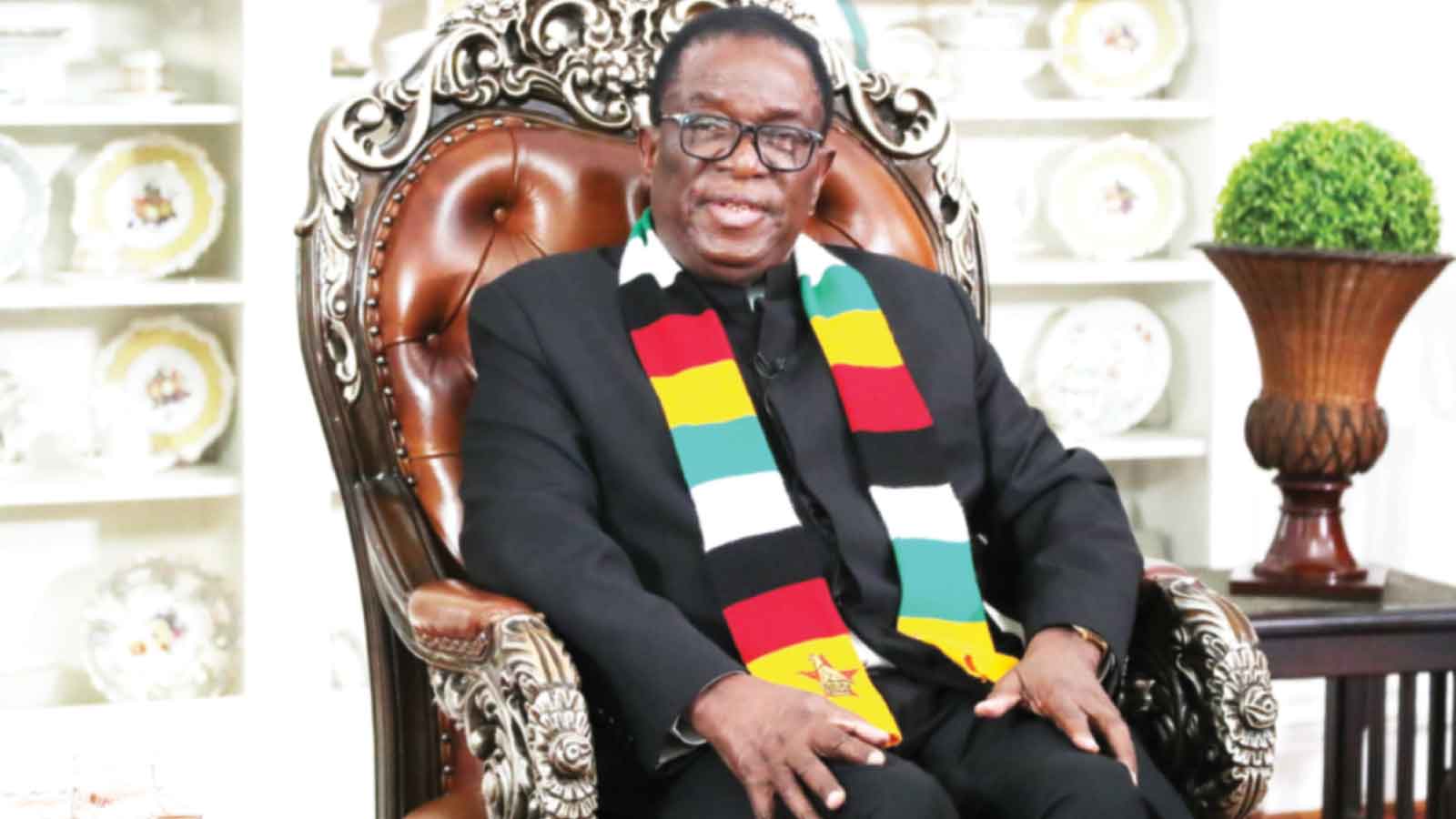
The week will, however, be capped off by President Mnangagwa’s assumption of the chairpersonship of the regional body, SADC, on Saturday.
Helming such a critical bloc, especially at a time when Zimbabwe is making significant headway through its engagement and re-engagement drive, is critical insofar as it adds impetus to the country’s charm offensive.
In the greater scheme of things, it shows Zimbabwe’s progress in its journey to become a modern, empowered, prosperous and highly industrialised state by 2030.
This was part of the mission of the liberation project.
April 18, 1980 might have delivered political freedom, but the fight for economic freedom continues — and we are winning it.
Establishing a modern and highly industrialised state, where people enjoy high standards of living, is perhaps the best way of honouring those who paid a heavy price for Zimbabwe to be free.
President Mnangagwa highlighted as much when he recently commissioned the rebuilt Holy Cross Dam in Chirumanzu, the Midlands province.
“The construction of such projects, particularly in Chirumanzu, is the best way to honour nationalists like Leopold Takawira, who were among those that pioneered the liberation struggle,” he said.
The last five years have witnessed many such projects in infrastructure development. Others include the refurbishment of the Robert Gabriel Mugabe International Airport and the construction of Lake Gwayi Shangani and Kunzvi Dam. No doubt, the projects have a huge impact on people’s living standards and the economy.
But more still needs to be done, which calls on each one of us to assiduously work to be the heroes of our continuing struggle.
Because of the recent milestones, we are now confident more than ever that victory is certain.


 Online Reporter